The Air-Conditioning Trap: Why Cooling Makes Planet Hotter
Surging AC demand in the Global South creates a vicious climate feedback loop that threatens to overwhelm emissions gains.
By Adrian Cole🕐 3/27/2026 · 11:26 AM ET6 min read1060 words
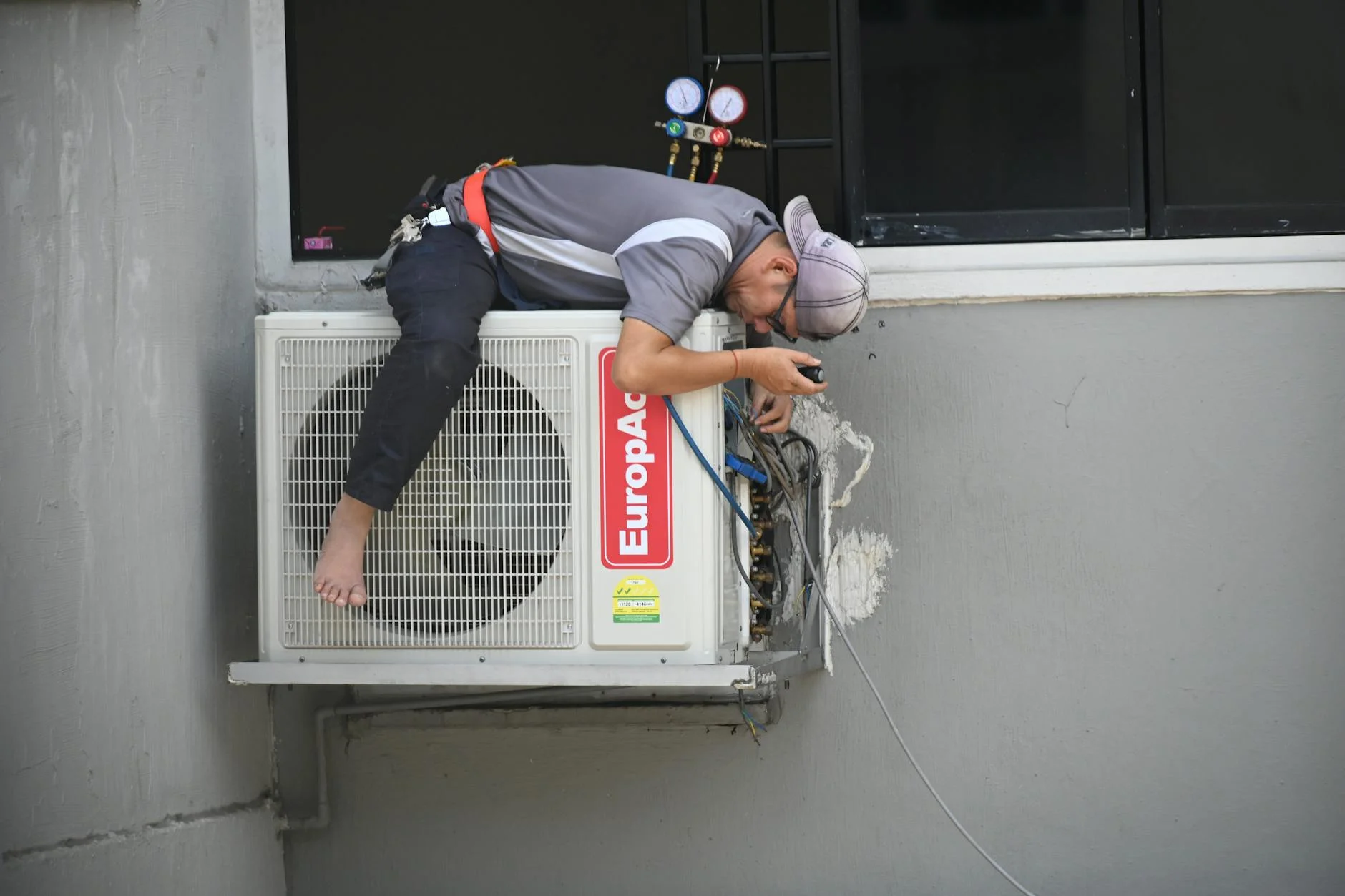
Stock photo · For reference only · Not taken by our journalists
The Air-Conditioning Trap: Why Cooling the Planet Makes It Hotter
Surging demand for AC in the Global South creates a vicious feedback loop that could overwhelm climate gains elsewhere—and geopolitics will determine who pays for the exit.
The arithmetic is brutal. As temperatures rise, billions of people in Asia, Africa, and the Middle East install air conditioners. Those AC units burn electricity, mostly from coal and gas plants. That electricity generation pumps CO₂ into the atmosphere. Higher CO₂ means hotter summers. Hotter summers mean more AC demand. The cycle tightens. [1] We're watching a physical law—the Carnot cycle—collide with economic development and demographic reality, and development is winning.
What's Really Happening
Demand explodes in the Global South. India, Indonesia, and Nigeria combined will add more AC units in the next decade than exist in all of Europe today. [1] This isn't luxury; it's survival. Summer wet-bulb temperatures above 35°C kill. Air conditioning has become a basic utility, not a status good.
The electricity grid can't keep pace cleanly. Most new capacity in Asia still comes from coal. Natural gas fills the gap where available. Renewables are growing fast, but not fast enough to match AC demand growth. Grid operators choose coal because it's dispatchable, cheap, and already installed. [2]
Heat rejection creates local warming. Every AC unit dumps waste heat outside. In dense cities, this raises ambient temperatures by 1–2°C, forcing more cooling demand. The thermodynamic cost of removing one unit of heat is always greater than one unit of electricity input. Physics doesn't negotiate.
Rich countries are largely insulated. Northern Europe, Canada, and the northern US need less cooling. They export the carbon cost while importing the benefit. This is colonialism dressed in refrigerant.
Technology alone won't solve it. More efficient AC helps at the margins. But efficiency gains are swallowed by rising demand—a phenomenon economists call the Jevons paradox. [3] Selling better AC in a hotter world is like selling better life jackets on a sinking ship.
The Real Stakes
The core mechanism is straightforward: AC demand in the Global South will grow 3–4× by 2050, according to the International Energy Agency. [1] That trajectory alone adds 1–2 gigatons of CO₂ annually by mid-century—equivalent to the current emissions of Japan and Germany combined. This happens regardless of climate policy in the North because it's driven by thermodynamic necessity and demographic reality, not ideology.
Who benefits? Cooling equipment manufacturers (Daikin, Carrier, Midea) and energy companies see a guaranteed market. Grid operators in Asia gain leverage over their governments—power demand becomes inelastic, forcing massive capital expenditure on generation capacity. Fossil fuel producers lock in demand for decades: coal plants built today run for 40+ years. Who loses? Everyone who needs atmospheric CO₂ below 450 ppm. The arithmetic is grim: every ton of CO₂ saved through renewable energy in Germany or California gets offset by new AC loads in Mumbai and Lagos.
The geopolitical implication cuts deeper. Countries that industrialized early (US, UK, Germany) built their wealth partly by running high-carbon grids. Now they've decarbonized or are trying to. The Global South faces a choice: repeat that dirty path (fastest development) or leapfrog to clean energy (slower, more expensive, requires capital transfers from the North). The North is offering neither serious capital transfers nor technology at scale. So the South chooses coal. AC demand becomes a lever for resource nationalism: governments in Nigeria, Indonesia, and India can demand higher prices for coal, minerals, and rare earths because the energy market is inelastic. [2]
Impact Radar
Economic Impact: 8/10 — AC-driven electricity demand forces $2–3 trillion in new generation and grid infrastructure by 2050, mostly in Asia, creating stranded assets when grids eventually decarbonize.
Geopolitical Impact: 9/10 — Energy-poor nations gain leverage over fossil fuel supply chains; developed nations lose credibility on climate commitments; OPEC-style coal cartels become plausible.
Technology Impact: 6/10 — Efficiency improvements help but can't overcome demand growth; passive cooling and urban planning matter more than better compressors.
Social Impact: 7/10 — AC access becomes a proxy for climate justice; heat-related mortality drops in the Global South but inequality in cooling access widens within countries.
Policy Impact: 8/10 — Paris Agreement targets become mathematically impossible without either massive demand destruction (politically toxic) or rapid renewable deployment at scale (capital-constrained).
Watch For
1. Coal plant construction in South Asia through 2028. India, Indonesia, and Vietnam approved 50+ new coal plants in the past three years. Track whether this accelerates or plateaus—acceleration signals that governments have abandoned net-zero timelines in practice, even if they maintain them on paper.
2. Refrigerant phase-out delays. The Kigali Amendment requires phasing out high-GWP hydrofluorocarbons by 2035. Watch for exemption requests from India and China citing "cooling demand emergencies." Delays here signal that climate governance has fractured along North-South lines.
Bottom Line
Air conditioning is the climate crisis's sleeper issue: it's thermodynamically necessary, politically untouchable, and economically unstoppable in the Global South. No amount of renewables in the North offsets it because the demand is real and growing. The only exit from this trap requires either (1) massive technology transfer of cheap, efficient cooling to the Global South—which the North won't fund, or (2) accepting that global temperature targets are dead and planning for 2.5–3°C warming instead.
---
The Air-Conditioning Trap: Why Cooling Makes Planet Hotter · Stock photo · For reference only
AI Translation (Deutsch) — For reference only. English version is authoritative.
Die Klimaklemme: Warum Kühlen den Planeten noch Wärmer macht
Die Klimaklemme: Warum Kühlen den Planeten noch Wärmer macht
Ein starker Bedarf an AC in der Global South schafft ein zähes Feedbackkreislauf, den man überweht machen könnte—und die Geopolitik bestimmt, wer für den Ausgang zahlt.
Die Rechnung ist grausam. Je höher die Temperaturen, installieren Milliarden von Menschen in Asien, Afrika und dem Nahen Osten Klimakühlung. Diese Kühlmöglichkeiten verbrauchen Elektrizität, die meist aus Kohle- und Gasanlagen stammt. Diese Elektrizitätsproduktion pumpt CO₂ in die Atmosphäre. Mehr CO₂ bedeutet heiße Sommer. Heiße Sommernächte bedürfen mehr Kühlmöglichkeiten. Der Kreis schließt sich zu. [1] Wir sehen eine physikalische Regel, die Carnot-Kette, mit Wirtschaftswachstum und dem Demografenrealität in Konflikt kommen, und die Entwicklung gewinnt.
Was Wirklich Passiert
Der Bedarf explodiert in der Global South. Indien, Indonesien und Nigeria kombiniert werden in den nächsten zehn Jahren mehr Kühlmöglichkeiten installieren als es heute in ganz Europa gibt. [1] Das ist kein Luxus, das sind Überlebenschancen. Sommertagestimmungen über 35°C töten. Kühlen ist zu einem Grunddienst geworden, nicht mehr nur ein Statussymbol.
Der Elektrizitätsnetzwerke können nicht klar genug auskommen. In der meisten neuen Kapazitäten in Asien kommt meist Kohleherstellung zugrunde. Naturschonende Gas schliesst den Riss ein. Erneuerbare Energien wachsen schnell, aber nicht schneller als der Bedarf an Kühlmöglichkeiten. Netzbetreiber wählen Kohle, weil sie sichentsprechbar, billig und installiert ist. [2]
Die Abwärmeerhaltung führt zu lokaler Erwärmung. Jede Kühlmöglichkeit verlässt ihre Abwärme in der Umgebung. Im dicht bevölkerten Städten sind dies 1 bis 2 Grad Celsius Erwärmung. Dieser Druck auf Kühlmöglichkeiten führt dazu, dass mehr Kühlmöglichkeiten installiert werden müssen. Der thermodynamische Kosten für die Entfernung einer Einheit Abwärme ist stets größer als die Energieinbetriebnahme. Physik nimmt keine Rücksicht.
Reichere Länder sind in der Regel isoliert. Nord-Europa, Kanada und die nordlichen USA brauchen weniger Kühlen. Sie exportieren den Kohlendruck, während sie die Vorteile importieren. Das ist Kolonisierung in Kühlerzeugung.
Technologie alleine kann es nicht lösen. Mehr effiziente Kühlmöglichkeiten helfen an den Rändern. Aber Effizienzverbesserungen werden von steigendem Bedarf zunicht gemacht—eine Phänomen, das Ökonomen als Jevons-Paradoxon bezeichnen. [3] Die Verkaufung besseren Kühlers in einem heißen Welt ist wie die Verkaufung besseren Lebenschutzes auf einer versunkenen Schiff.
Die Wahren Interessen
Der Kernmechanismus ist klar: Der Kühlbetrieb in der Global South wird bis 2050 um 3 bis 4-mal wachsen, wie es die Internationale Energieagentur prognostiziert. [1] Diese Entwicklung fügt bis Mitte des 2050s um 1 bis 2 Gigatonnen CO₂ pro Jahr hinzu—was gleichwertig ist wie die aktuelle Emission von Japan und Deutschland zusammen. Das geschieht unabhängig davon, ob die Länder das CO₂ in den Klimawandel einbeziehen oder nicht.
AI Translation (Español) — For reference only. English version is authoritative.
La Trampa del Aire Acondicionado: ¿Por Qué la Refrigeración Hace al Planeta Caliente
La Trampa del Aire Acondicionado: ¿Por Qué la Refrigeración Hace al Planeta Caliente
Una demanda desbordante de A/C en el Sur del Mundo crea un ciclo vicioso que podría superar los avances climáticos en otros lugares y la geopolítica determinará quién pagará por el escape.
El cálculo es brutal. Mientras las temperaturas aumentan, billones de personas en Asia, África y el Medio Oriente instalan aire acondicionado. Estos equipos de A/C consumen electricidad, principalmente desde plantas de carbón y gas. Esta generación eléctrica empuja CO₂ al ambiente. Más CO₂ significa más veranos calientes. Veranos más calientes significan mayores demandas de A/C. El ciclo se estrecha. [1] Estamos viendo una ley física—el ciclo de Carnot—colisionando con el desarrollo económico y la realidad demográfica, y el desarrollo está ganando.
¿Qué Realmente Está Pasando
La demanda explota en el Sur del Mundo. India, Indonesia y Nigeria juntas añadirán más equipos de A/C en la próxima década que existen hoy en Europa entera. [1] Esto no es lujo; es supervivencia. Las temperaturas de la lluvia seca por encima de 35°C matan. El A/C se ha convertido en una utilidad básica, no un bien de status.
El grid eléctrico no puede mantener el ritmo limpiamente. La mayoría de la capacidad nueva en Asia todavía proviene del carbón. El gas natural llena el hueco donde está disponible. Las renovables crecen rápidamente, pero no lo suficiente como para igualar la demanda de A/C. Los operadores del grid eligen el carbón porque es previsible, económico y ya está instalado. [2]
La rechazo de calor crea calentamiento local. Cada equipo de A/C descarga calor residuo fuera. En ciudades densas, esto eleva las temperaturas ambientales por 1–2°C, forzando mayores demandas de refrigeración. El costo térmico de remover una unidad de calor es siempre mayor que la entrada de una unidad de electricidad. La física no negociará.
Los países ricos están en gran medida aislados. Europa del Norte, Canadá y el norte de EE.UU. necesitan menos refrigeración. Exportan la costosa del costo de carbono mientras importan el beneficio. Esto es colonización disfrazada en refrigerante.
La tecnología sola no lo resolverá. La eficiencia del A/C mejora a los márgenes. Pero los avances de eficiencia se ahogan en la mayor demanda—un fenómeno que los economistas llaman el Paradoxo de Jevons. [3] Vender A/C más eficiente en un mundo más caliente es como vender mejores chalecos salvavidas en una embarcación hundiéndose.
Los Stake Real
El mecanismo principal es sencillo: la demanda de A/C en el Sur del Mundo aumentará 3–4× para 2050, según la Agencia Internacional de Energía. [1] Esta trayectoria añade 1–2 gigatoneladas de CO₂ anualmente a mediados del siglo—equivalente a las emisiones actuales de Japón y Alemania combinadas. Esto ocurre independientemente de
AI Translation (Français) — For reference only. English version is authoritative.
La Chute de l'Air Conditionné: Pourquoi la Refroidissement Empire la Terre
La Chute de l'Air Conditionné: Pourquoi la Refroidissement Empire la Terre
Une demande enragée d'AC dans le Sud du monde crée un boucle vicieuse qui pourrait écraser les gains climatiques ailleurs—et la géopolitique décidera qui payera pour l'exit.
L'arithmétique est dure. Avec une augmentation des températures, des milliards de personnes en Asie, en Afrique et dans le Moyen-Orient installent des systèmes de climatisation. Ces unités d'air conditionné consomment de l'électricité, principalement provenant des centrales électriques à charbon et au gaz. Cette production d'électricité injecte du CO₂ dans l'atmosphère. Plus le CO₂ augmente, plus les étés sont chauds. Les étés chauds entraînent une demande accrue de climatisation. La boucle se resserre. [1] Nous observons une loi physique—la boucle de Carnot—s'entrechoquer avec le développement économique et la réalité démographique, et le développement gagne.
Qu'est-il Réellement En Train de Se Passer
La demande explose dans le Sud du monde. L'Inde, l'Indonésie et le Nigéria ajoutent plus d'unités de climatisation dans la prochaine décennie que toutes l'Europe ne compte aujourd'hui. [1] Cela n'est pas de la luxure; c'est la survie. Les étés avec des humidités à l'humidité de 35°C ou plus tuent. La climatisation est devenue une utilité fondamentale, pas un bien d'éclat.
Le réseau électrique ne peut pas rester en équilibre de manière propre. La plupart du nouveau débit dans l'Asie vient du charbon. Le gaz naturel remplace la quantité disponible. Les énergies renouvelables progressent rapidement, mais pas assez vite pour compenser le taux de croissance des demandes de climatisation. Les opérateurs du réseau choisissent le charbon car il est déplaçable, abordable et déjà installé. [2]
La réjection de la chaleur crée un réchauffement local. Chaque unité de climatisation rejette la chaleur excédentaire dehors. Dans les villes denses, cela augmente d'autant la température ambielle de 1 à 2 degrés, entraînant une demande accrue de climatisation. Le coût thermodynamique pour retirer un unité de chaleur est toujours supérieur à l'unité d'électricité entrante. La physique ne négocie pas.
Les pays riches sont largement isolés. L'Europe du Nord, le Canada et l'Est des États-Unis nécessitent moins de climatisation. Ils exportent le coût carbone tout en important la bénéfice. C'est la colonisation revêtue de réfrigérants.
La technologie seule ne résoudra pas le problème. Des systèmes d'air conditionné plus efficaces aident aux marges. Mais les gains d'efficacité sont engloutis par la demande croissante—un phénomène que les économistes appellent le Paradoxe de Jevons. [3] Vendre des systèmes d'air conditionné plus performants dans un monde plus chaud est comme vendre des parapluies mieux conçus sur une embarcation qui coule.
Les Stakes Réels
Le mécanisme fondamental est clair: la demande de climatisation dans le Sud du monde va croître 3 à 4 fois d'ici 2050, selon l'International Energy Agency. [1] Ce trajet seul ajoute 1 à 2 gigatonnes de CO₂ annuellement au milieu du siècle—équivalent aux émissions actuelles de Japon et d'Allemagne combinées. Cela se produit independamment de
AI Translation (日本語) — For reference only. English version is authoritative.
AI Translation (Русский) — For reference only. English version is authoritative.
Гаджеты охлаждения: почему охлаждение глобально нагревает планету
[Потребление охлаждения в Южном Среде создает vicious feedback-цикл, который может перегреть другие регионы планеты и определять кто будет платить за выход.]
Арифметика жестока. Когда температура поднимается, миллиарды людей в Азии, Африке и Средиземноморье установили гаджеты охлаждения. Эти гаджеты сжигают электричество, которое большей частью вырабатывается на угольных и газовых электростанциях. Это выработка электричества вносит углекислоту в атмосферу. Высокая концентрация углекислоты приводит к более жарким летним месяцам. Жаркие зимние месяцы приводят к большему потреблению гаджетов охлаждения. Этот цикл усугубляется. Мы наблюдаем физическую закономерность — цикл Карно — столкновение с экономическим развитием и демографической реальностью, а развитие выигрывает.
Что происходит на самом деле
[Потребление резко увеличивается в Южном Среде.] Индия, Индонезия и Нигерия вместе добавят больше гаджетов охлаждения в следующие десятилетия, чем существует сегодня во всем Европейском Союзе. [1] Это не роскошь; это жизнь. Температура влажного бульбомера выше 35°C убивает. Гаджет охлаждения стал базовым ресурсом, а не статусным благом.
[Электрическая сеть не может поддерживать это чисто.] Большая часть нового оборудования в Азии вырабатывается на угле. Природный газ заполняет пробел. Реновационные источники энергии растут быстро, но не достаточно быстро для поддержки роста потребления гаджетов охлаждения. Операторы сетей выбирают уголь из-за того, что он управляемый, дешевый и уже установленный. [2]
[Выброс тепла создает местное нагревание.] Каждый гаджет охлаждения выбрасывает отходное тепло за пределами. В плотных городах это увеличивает температуру окружающей среды на 1–2°C, что заставляет потреблять больше охлаждения. Тепловая стоимость удаления одной единицы тепла всегда превышает одну единицу электрического ввода. Физика не переговорит.
[Расположенные страны остаются в основном защищенными.] Северо-Западная Европа, Канада и северные части США потребляют меньше охлаждения. Они экспортируют углеродный расход в то время как импортируют выгоду. Это колонизация в форме охлаждающей среды.
[Технология сама по себе не решит проблему.] Улучшение гаджетов охлаждения помогает на макроуровне. Но прирост эффективности уходит под рост потребления — явление, которое экономисты называют парадоксом Джейнса. [3] Продажа более эффективных гаджетов охлаждения в горячей стране — это как продажа более эффективных шлемов на погибающей яхте.
Главные интересы
Основная механика проста: потребление гаджетов охлаждения в Южном Среде вырастет 3–4 раза к 2050 году, согласно Международной энергетической ассоциации. [1] Этот траекторий добавляет 1–2 гигатонны углерода в атмосферу к середине века — эквивалентно текущим выбросам Японии и Германии вместе. Это происходит независимо от
AI Translation (中文) — For reference only. English version is authoritative.