Bahrain's Ministry of Interior revoked the citizenship of 69 people on 27 April 2026, accusing them of sympathising with Iran and colluding with foreign entities during the ongoing US-Israel war against Tehran. The directive, issued by King Hamad bin Isa Al Khalifa, declared all 69 individuals to be "of non-Bahraini origin" — a legal fiction that renders them stateless and defenceless. This is not Bahrain's first use of citizenship revocation as a political weapon; it is the second wave of a tactic perfected over a decade.
Dispatch
MANAMA, 27 APRIL 2026 — Al Jazeera reported the revocation order on 27 April:
Bahrain's Ministry of Interior announced on Monday that it had revoked the citizenship of 69 people, some of whom were related, after accusing them of sympathising with Iran and "colluding with foreign entities". The move comes after Tehran carried out strikes on facilities in Bahrain as part of the war launched against Iran by Israel and the United States. The directive, issued by King Hamad bin Isa Al Khalifa, stated that all 69 people were "of non-Bahraini origin". Under Bahraini law, a person can be stripped of citizenship if they are deemed to have caused harm to the country or shown disloyalty.
Al Jazeera English, 27 April 2026 [1]

The Bahrain Institute for Rights and Democracy, a London-based human rights organisation, characterised the action as a breach of international law. Critically, the individuals remain publicly unidentified; their whereabouts, detention status, and whether they hold alternative nationality are all unknown [1].
A different reading emerges from Deutsche Welle's investigation into the broader pattern. DW interviewed Jawad Fairooz, a former Bahraini parliamentarian who lost his citizenship in November 2012 after resigning in protest at security force killings during the Arab Spring:
Jawad Fairooz found out that he no longer had a country while watching television. "I was on a short trip to London," Fairooz, a former politician in Bahrain's parliament, told DW, "when the Ministry of Interior decided to revoke the nationality of people in the opposition. They read 31 names on TV. Mine was one. It was such a shock because I never called for the government to be overthrown." That was in November 2012. Fairooz had resigned from parliament in protest at security forces killing demonstrators during the so-called Arab Spring. He was arrested, tortured, and then had his citizenship revoked. And he was not alone. Bahraini authorities would eventually withdraw citizenship from close to 990 people.
Deutsche Welle, 27 April 2026 [12]
Fairooz, now a UK citizen running Salam for Democracy and Human Rights, observed that Bahrain is now repeating the pattern. DW's reporting also notes that in March 2026 alone, Bahrain arrested approximately 250 people who allegedly posted anti-war messages online, expressed sympathy with Iran, or participated in demonstrations [12]. The war, in short, has provided Bahrain's authorities with legal and security cover to accelerate citizenship revocation — a tool they had already used to eliminate nearly 990 opponents over the past fourteen years.
What's Really Happening
The Real Stakes
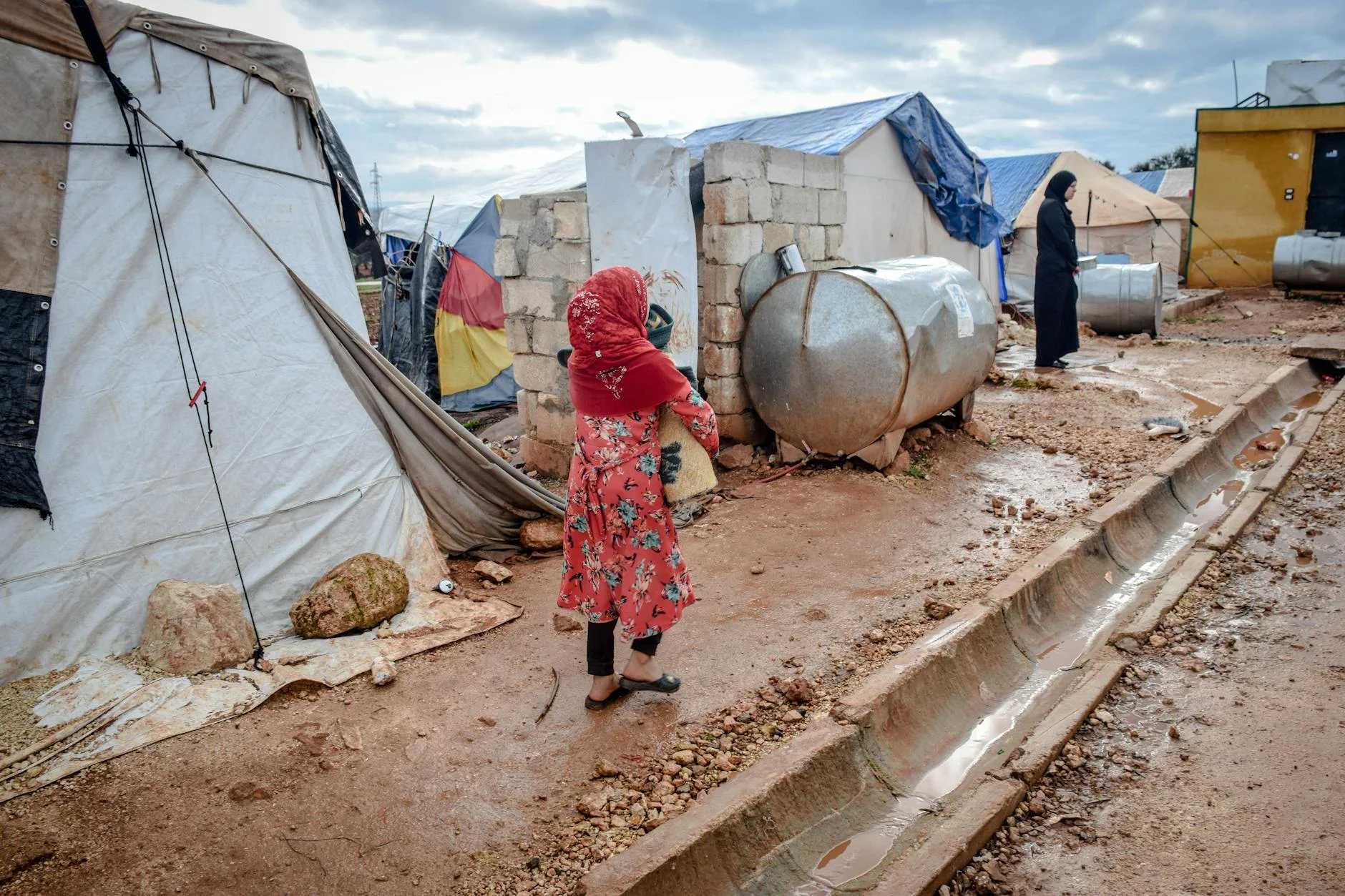
For the 69 and their families: Statelessness is a legal death. Without nationality, individuals cannot access healthcare, education, employment, or legal recourse. They cannot travel, own property, or inherit. In Bahrain's context, where state services are tied to citizenship and the Shia population already faces marginalisation, revocation is a tool of erasure. Fairooz's experience — arrest, torture, then exile — is the documented pathway [12].
For Bahrain's political stability: The war has created a pretext for mass security operations. In March alone, 250 arrests on charges of online sympathy with Iran or anti-war speech [12]. Citizenship revocation removes the legal inconvenience of imprisoning dissidents — they simply cease to be citizens. This accelerates the elimination of any organised opposition. The 2011 Arab Spring protests, which the government blamed on Iranian agitation, demonstrated that Bahrain's Shia majority could mobilise. Revocation prevents that from happening again.
For the region's legal architecture: If Bahrain and Kuwait proceed unchecked, citizenship revocation becomes a normalised tool of authoritarian governance across the Gulf. The scale is already staggering: 70,000–300,000 in Kuwait alone [12]. Each revocation creates a stateless person with no recourse. International law becomes ornamental. The UN Convention on Statelessness becomes a historical document.
For negotiations between Iran and the US: The crackdown signals that Bahrain — a host to the US Fifth Fleet — is consolidating internal security rather than opening space for political settlement. If Bahrain is eliminating perceived Iran sympathisers by the hundreds, it is signalling to Tehran that the conflict has a domestic dimension: suppression of Shia political voice. This complicates any ceasefire or negotiated settlement that might otherwise improve conditions for Shia minorities. DW reports that Pakistan is mediating talks and that Iran has proposed reopening the Strait of Hormuz in exchange for postponing nuclear negotiations [11]. But if Bahrain is revoking citizenship en masse, it is hardening its position internally while appearing to engage diplomatically.
Geopolitical Dimension
The revocation order sits at the intersection of three overlapping conflicts: the US-Israel war against Iran (which began 28 February 2026), the sectarian fault line within Bahrain itself, and the broader Gulf competition between Sunni monarchies and Shia Iran [1], [12].
Iran's position: Tehran has accused Gulf states of allowing the US to conduct strikes from their territory [1]. Iran targeted a US Navy base in Bahrain with missiles and drones [1]. The Iranian government has long blamed external powers for fomenting unrest, but Bahrain's government has inverted this: it blames Iran for radicalising its Shia population. Citizenship revocation of alleged Iran sympathisers is Bahrain's way of severing the claimed link between domestic Shia dissent and Iranian influence. Whether or not such links exist, the revocation says: we will not tolerate even the appearance of sympathy.
The US position: The US Fifth Fleet is based in Bahrain. The US is at war with Iran. The US has every interest in Bahrain remaining stable and aligned. The US has not publicly condemned Bahrain's citizenship revocations — nor is it likely to, given the strategic relationship [1]. This silence is itself a geopolitical signal: the US will tolerate internal repression by allies in wartime.
Kuwait and the wider Gulf: Kuwait's citizenship revocation campaign — potentially affecting 70,000–300,000 people — suggests a coordinated regional strategy, not isolated incidents [12]. If Gulf monarchies are systematically eliminating stateless populations, they are also eliminating populations that might otherwise become political liabilities or security risks. This is not a bug in the system; it is the system working as designed.
Russia's diplomatic position: Putin met with Iranian Foreign Minister Abbas Araghchi on 27 April 2026 and pledged support for Iran [11]. Russia has not been drawn into the Middle East conflict militarily, but it is offering diplomatic cover. However, Russia's leverage over Gulf states is minimal. The revocations will proceed regardless of Russian statements.
Impact Radar
Watch For
1. Publication of the 69 names or confirmation of their identities. If Bahrain's government releases names, it signals intent to prosecute or further marginalise them. If names remain secret, it indicates the government is using revocation as a tool of extrajudicial elimination. Watch for statements from Salam for Democracy and Human Rights or Amnesty International attempting to identify the individuals [12].
2. Further revocation orders from Bahrain or other Gulf states. If Bahrain announces a second wave of revocations in May or June 2026, it signals that the first wave was a pilot program. If Kuwait or the UAE follow suit, citizenship revocation becomes a coordinated regional policy. Watch for announcements from each state's Ministry of Interior.
3. Statements from the US State Department or UN Human Rights Council. If the US condemns the revocations, it signals a shift in its willingness to pressure allies on human rights. If the UN calls for an investigation, it signals a formal challenge to the legality of the action. If both remain silent, it confirms that wartime considerations override human rights enforcement. Watch for statements between May and July 2026.
4. Evidence that any of the 69 have been detained, tortured, or killed. Fairooz's experience — arrest, torture, then revocation — suggests that revocation often follows detention [12]. If evidence emerges that any of the 69 have been disappeared, it would indicate that statelessness is being used as a cover for extrajudicial killing.
Bottom Line
Bahrain is using the Iran war as cover to accelerate a tactic it perfected over fourteen years: rendering political opponents stateless. This is not an aberration; it is a second wave of a documented strategy that has already affected nearly 990 people in Bahrain and potentially 70,000–300,000 in Kuwait [12]. International law forbids this, but enforcement is absent. The 69 individuals are now invisible, legally dead, and without recourse. If other Gulf states follow, statelessness will become a normalised tool of authoritarian governance across the region — and international human rights law will have proven itself toothless.
---