China Studies Iran's Blockade Tactics for Taiwan Strait Strategy
Beijing analyzes Iran's economic coercion playbook but faces greater risks from global trade dependence.
By Adrian Cole🕐 4/28/2026 · 7:43 AM ET6 min read2249 words
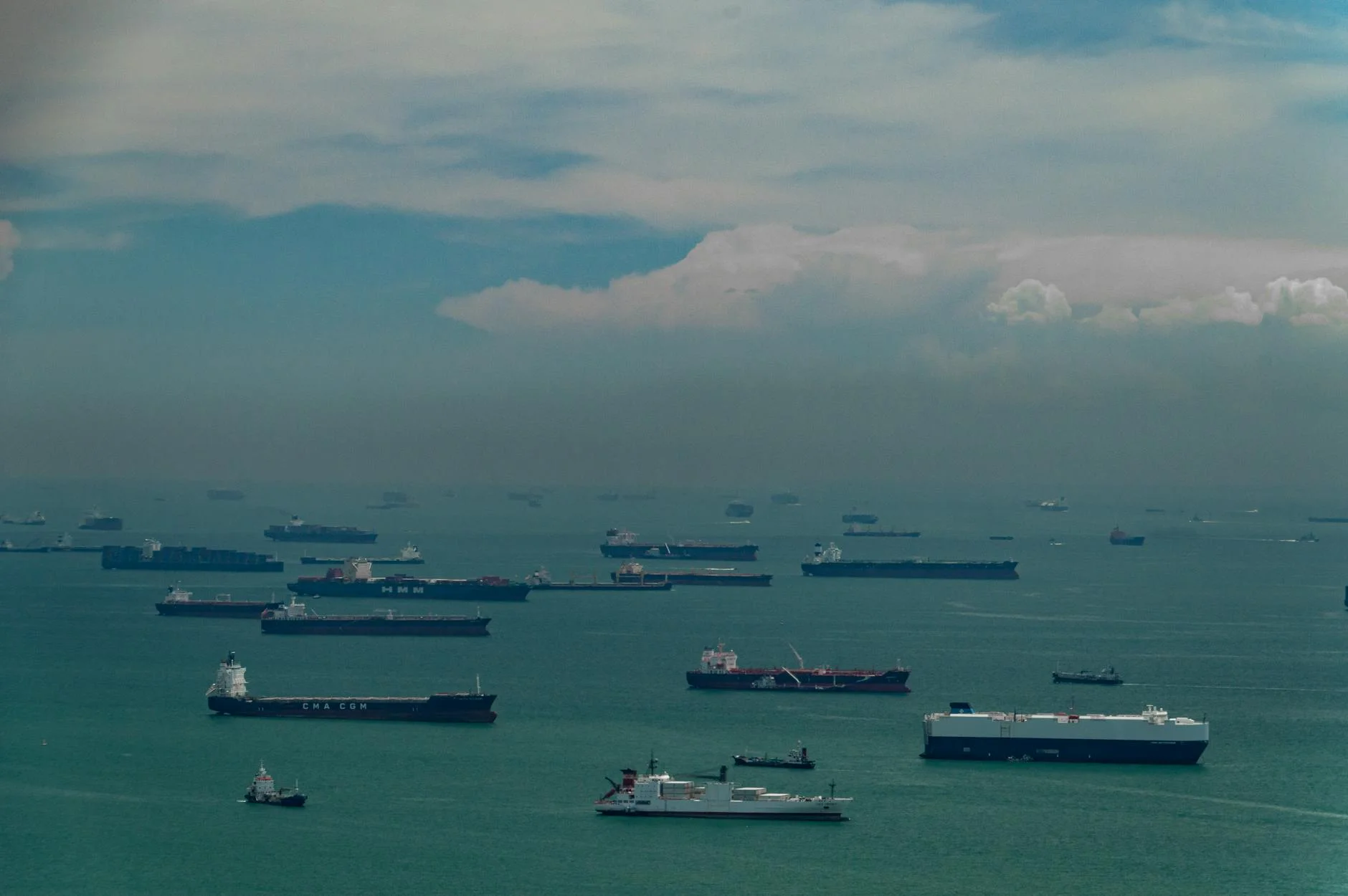
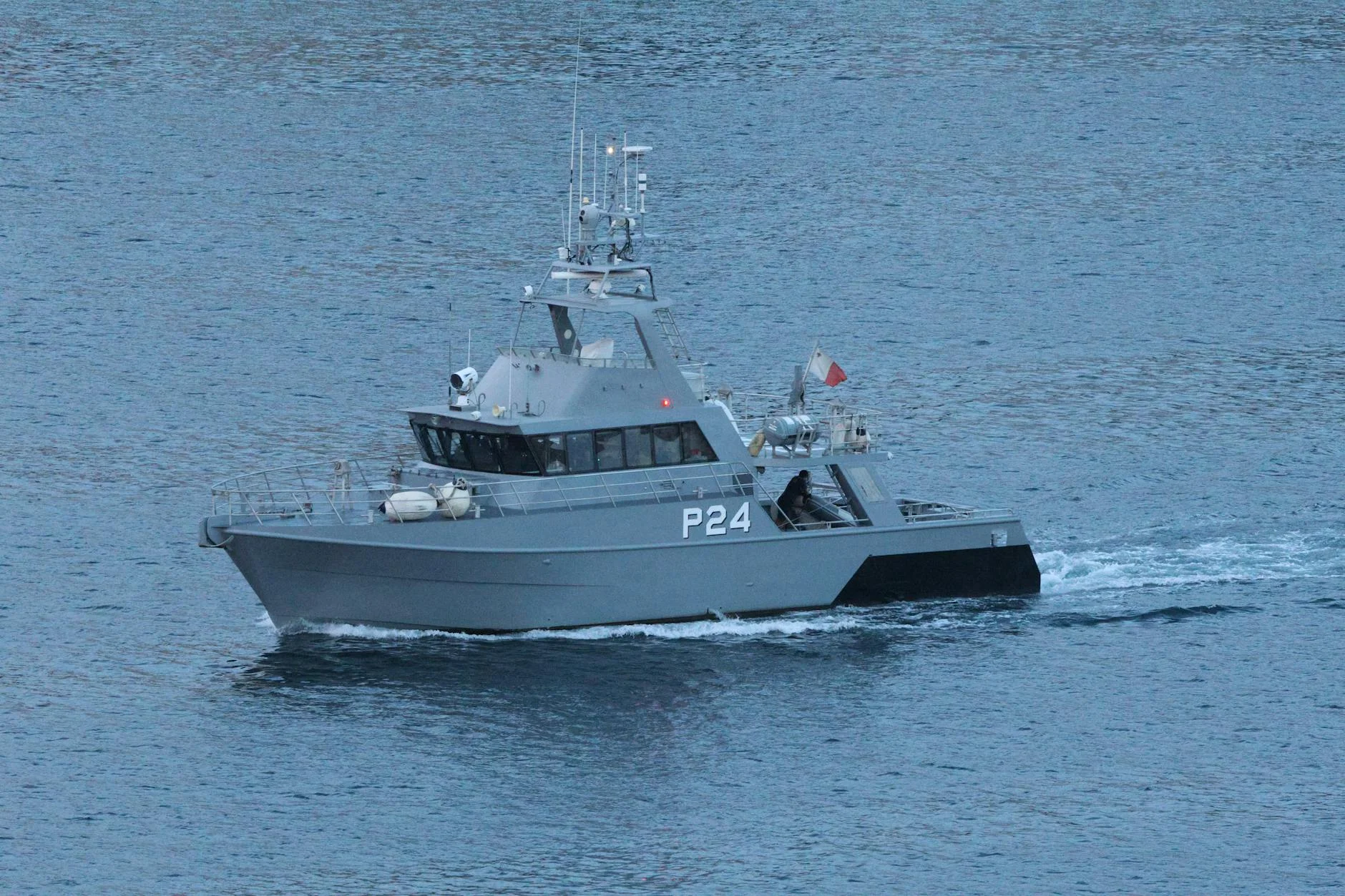
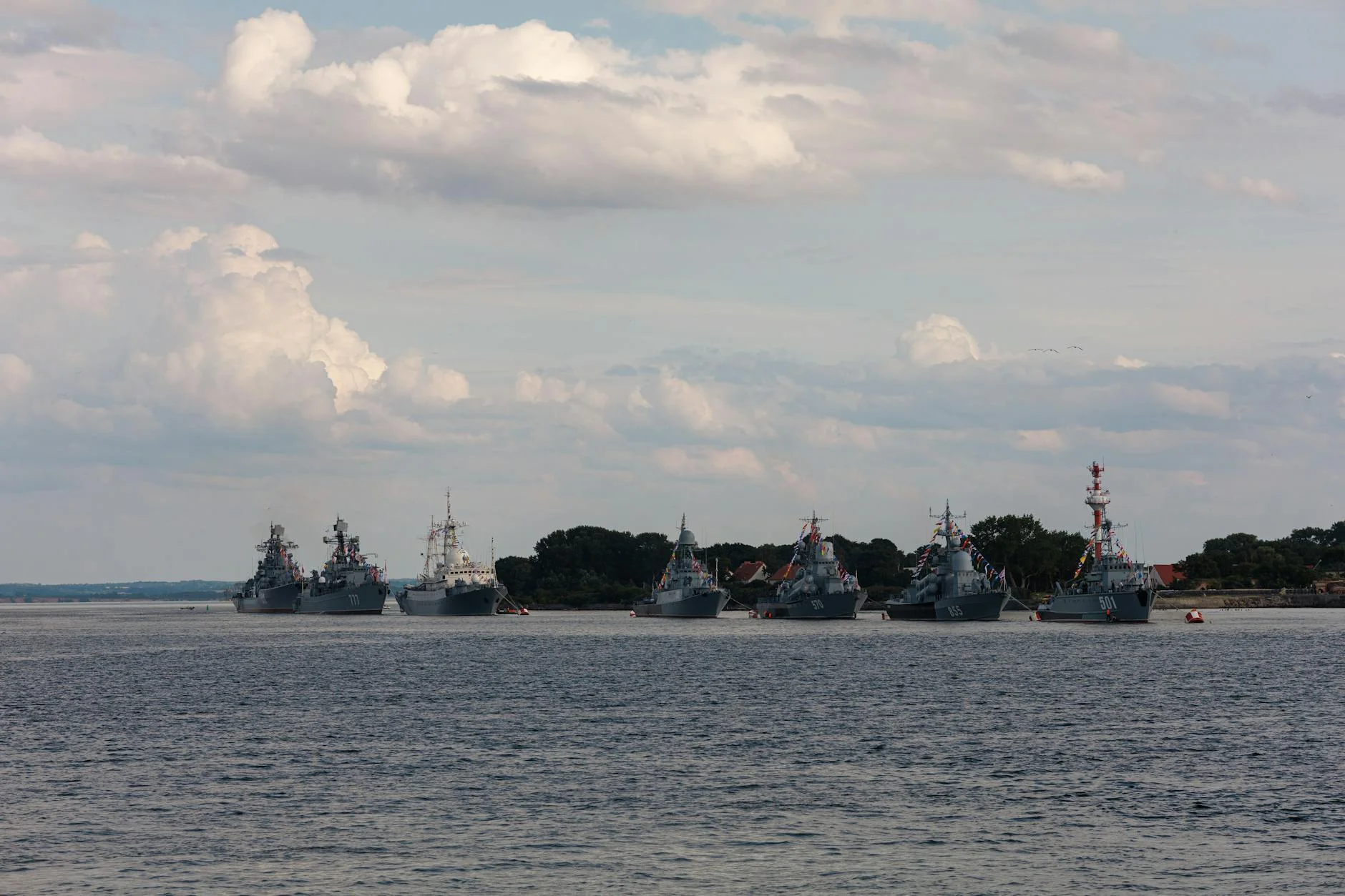
Stock photo · For reference only · Not taken by our journalists
In late April 2026, as Iran's closure of the Strait of Hormuz strangled global energy supplies, Beijing's military strategists were not condemning the disruption — they were analyzing it. Chinese defense planners have spent the past two months studying how Iran deployed cheap drones, ballistic missiles, and suicide boats to keep the U.S. Navy at bay while disrupting commercial shipping through one of the world's most critical waterways. The lesson is clear to Xi Jinping's government: the same playbook could work in the Taiwan Strait, where 44 percent of global container shipping passes through annually [1].
The strategic calculation is seductive but dangerous. China lacks the amphibious capacity to invade Taiwan in most months, and a direct military assault risks catastrophic losses to U.S. air and naval forces. But a blockade — backed by the same arsenal of anti-ship missiles, drone swarms, and minelayers that Iran has deployed — could achieve Beijing's political goal of forcing Taiwan's capitulation without a full-scale invasion. The problem: unlike Iran's sanctions-ravaged economy, China's manufacturing base depends on open global trade. Any blockade that works would also strangle the Chinese economy.
---
Dispatch
BEIJING, April 28, 2026 — Neil Thompson, writing for The Diplomat on April 28, reported that China's military leadership has been closely monitoring U.S. efforts to clear mines and maintain access through the Strait of Hormuz:
Even as China wants the latest Middle Eastern conflict to wind down so it doesn't damage China's export-oriented economy, militarily, the conflict has been an intelligence gold mine for China. Beijing has shown it is tracking U.S. efforts in the Strait of Hormuz closely, fine-tuning its estimates of U.S. capabilities. China is also studying how Iran has largely succeeded in keeping the U.S. Navy outside the Persian Gulf and disrupting commercial shipping there.[1]
The Diplomat, April 28, 2026
📷 Image via The Diplomat · Reproduced for editorial reference under fair use📷 Image via The Diplomat · Reproduced for editorial reference under fair use
Thompson noted the structural parallels between Iran's geographic advantage and China's position: Iran borders the Persian Gulf and the Strait of Hormuz, through which around 25 percent of seaborne oil and almost 20 percent of global LNG supplies pass. Meanwhile, Chinese territory runs along the western side of the Strait of Taiwan, one of the world's busiest shipping lanes. Around 44 percent of global container shipping passed through the Taiwan Strait in 2022.[1]
The article details China's existing arsenal: China does have at least 1,400 ballistic and cruise missiles in southern and eastern China that could be fired at U.S. surface vessels, including the DF-21D and DF-17 missile systems. China's military has converted hundreds of obsolete J-6 fighters into attack drones. Beijing is also experimenting with drone minelayers with the intention of using these to hinder U.S. vessels in the Taiwan Strait in the event of a naval confrontation.[1]
A contrasting perspective emerges from reporting on China's own economic vulnerability. The South China Morning Post, citing Politburo statements from April 2026, documented Beijing's acute concern over the Iran conflict's economic spillover:
China's leadership vows to push forward with infrastructure projects, boost tech self-reliance and safeguard energy security. At a meeting on Tuesday, the country's Politburo stressed the need to boost the nation's tech self-reliance and control over its industrial supply chains.[6]
South China Morning Post, April 2026
This signals a critical tension: while China's military is studying Iran's blockade tactics, China's political leadership is scrambling to insulate the economy from the very disruption that Iran has caused. The New York Times reported that China's strategic reserves of oil and natural gas have insulated it somewhat, but its manufacturing-based economy is beginning to falter.[4]
---
What's Really Happening
Confirmed: China's military has studied Iran's low-cost coercion playbook — drone swarms, ballistic missiles, and minelayers — as a potential template for the Taiwan Strait [1]. In December 2025, China conducted exercises that simulated blockading the island's ports[1].
Analyst projection: If China were to deploy these tactics during a Taiwan crisis, the economic damage would dwarf Iran's disruption. The Taiwan Strait handles 44 percent of global container shipping [1]; a closure would paralyze supply chains for semiconductors, consumer electronics, and automotive parts globally — and devastate Chinese manufacturing exports.
Structural mechanism: China's dilemma is that Iran's strategy works precisely because Iran's economy is already destroyed by sanctions and has little left to lose. China's economy, by contrast, is built on open trade. A blockade that successfully deters the U.S. Navy would also cut off China's own lifeline.
Named actor and strategic role: Xi Jinping's government has explicitly prioritized preventing Taiwan's formal separation from the mainland as a core legitimacy pillar [1]. This makes a blockade politically attractive — it avoids the military risks of invasion while imposing costs on the U.S. and Taiwan without requiring Chinese troops to hold ground.
What other outlets are missing: The reporting focuses on military capability but underestimates the political trap. If China blockades Taiwan and the U.S. responds with counter-blockade or strikes on Chinese positions, Beijing faces a choice between backing down (humiliation) or escalating into full war (economic suicide). Iran had no such dilemma because it had already lost its economy.
---
Stock photo · For illustration onlyStock photo · For illustration only
The Real Stakes
For the United States: The Iran experience has exposed a genuine vulnerability in U.S. strategy. The U.S. Navy can eventually clear mines and suppress drone attacks, but doing so takes time and accepts losses [1]. If China deploys the same tactics in the Taiwan Strait — a far narrower and more congested waterway — the U.S. would face a choice between accepting a temporary blockade (signaling weakness to allies) or escalating to strikes on Chinese territory (risking full-scale war). Secretary of State Marco Rubio made clear the U.S. position on Iran's Hormuz tactics: They cannot normalize nor can we tolerate them trying to normalize a system in which the Iranians decide who gets to use an international waterway and how much you have to pay them to use it.[10] That same doctrine would apply to China — but enforcing it would be far more costly.
For China: The strategic appeal of a blockade is precisely that it avoids invasion. But the economic cost is potentially regime-threatening. The Politburo's April 2026 statements about bolstering confidence and reinforcing endogenous growth momentum reveal how fragile China's current economic position is [6]. A blockade lasting weeks could trigger capital flight, currency pressure, and domestic unemployment spikes. Analysts project it would take at least four to six months for global supply chains to stabilize even if a Taiwan conflict ended tomorrow [11]. For China, a six-month economic contraction could mean tens of millions of job losses and political instability.
For Taiwan and its allies: Taiwan's vulnerability is acute. The island faces a dual threat: Chinese blockade of the Taiwan Strait and disruption of energy supplies through the Strait of Hormuz (where Taiwan sources LNG). Earlier this year, Taiwan's reliance on LNG deliveries via the Strait of Hormuz meant it was threatened with power cuts when Iran closed the waterway [1]. A coordinated crisis — Chinese blockade plus continued Hormuz disruption — could force Taiwan's surrender without a shot fired. Japan, South Korea, and the Philippines, all dependent on Taiwan Strait shipping, would face severe supply-chain shock within weeks.
For global markets: Oil prices have already spiked to $111 per barrel with Hormuz partially disrupted [11]. A Taiwan Strait blockade would add a second shock on top of the first. Semiconductor prices would spike (TSMC produces over half the world's advanced chips), shipping insurance would become prohibitive, and global growth would contract sharply. The financial system would price in not just the immediate disruption but the risk of U.S.-China military escalation.
---
Geopolitical Dimension
China-U.S. competition: The Iran conflict has revealed the limits of U.S. naval dominance in narrow, contested waterways. China is absorbing this lesson. If Beijing believes it can impose costs on the U.S. Navy high enough to deter intervention — using drones and missiles rather than ships — the calculus for a Taiwan crisis shifts. The U.S. would need to either accept a temporary blockade or accept significant naval losses to break it. Neither option is politically sustainable for Washington [1].
China-Iran alignment: Despite public distance, Beijing is deepening its intelligence-gathering relationship with Tehran. The U.S. sanctioned Chinese refineries in late April for buying Iranian oil [12], signaling that Washington sees China as complicit in sustaining Iran's war effort. If China's blockade strategy succeeds in the Taiwan Strait, it validates Iran's approach — and potentially encourages other U.S. adversaries (Russia, North Korea, Venezuela) to test similar tactics in their own strategic waterways.
China's Southeast Asia pivot: Separately, Chinese Foreign Minister Wang Yi conducted a three-country tour of Southeast Asia (Cambodia, Thailand, Myanmar) in late April, explicitly positioning Beijing as a steady partner in a region unsettled by war, trade tensions and doubts about U.S. reliability[8]. The timing is deliberate: as the Iran conflict destabilizes energy markets and the U.S. appears bogged down in the Middle East, China is consolidating regional support. A slim majority of Southeast Asian respondents now say they would align with China over the U.S. if forced to choose [8]. This regional shift strengthens China's hand for any Taiwan crisis — it reduces the likelihood of U.S. basing rights and regional coalition support.
---
Stock photo · For illustration onlyStock photo · For illustration only
Impact Radar
Economic Impact: 9/10 — A Taiwan Strait blockade would disrupt 44 percent of global container shipping [1] and trigger semiconductor shortages within weeks. Global growth would contract sharply; China's own export economy would suffer catastrophic damage [6].
Geopolitical Impact: 8/10 — The crisis would force a direct U.S.-China military confrontation and potentially fracture the U.S. alliance system in Asia if the U.S. backs down or accepts high naval losses [1].
Technology Impact: 7/10 — TSMC and other Taiwan-based chipmakers would face production shutdowns; global semiconductor supply would tighten, affecting AI, defense, and consumer electronics sectors [1].
Social Impact: 6/10 — Energy price spikes and supply-chain disruptions would drive inflation and unemployment in dependent economies (Japan, South Korea, Australia, EU); political instability in vulnerable states.
Policy Impact: 8/10 — The crisis would force the U.S., Japan, South Korea, and Australia to fundamentally rethink deterrence strategy in the Indo-Pacific and potentially accelerate military buildups and alliance institutionalization [1].
---
Watch For
1. Chinese military exercises in the Taiwan Strait. If China conducts another large-scale blockade simulation (the last occurred in December 2025 [1]), watch for the scale and specific weapons tested. Drone minelayers and ballistic missile targeting systems indicate preparation for actual blockade operations. Any exercise involving more than 50 naval vessels and 100+ aircraft would signal serious operational readiness.
2. U.S. statements on Taiwan Strait freedom of navigation. The U.S. has not yet articulated a specific response doctrine to a Chinese blockade. If the State Department or Pentagon publishes guidance on how the U.S. would enforce passage through the Taiwan Strait (mine-clearing timelines, naval asset deployment, rules of engagement), that signals the U.S. is preparing for this scenario. Watch for Congressional testimony or strategic guidance documents in Q3 2026.
3. China's energy reserve levels and import patterns. If China significantly increases strategic petroleum reserve purchases or accelerates renewable energy projects, it signals Beijing is preparing for a prolonged economic disruption. Monitor Chinese government procurement announcements and energy ministry statements. A sudden shift toward energy independence would indicate China is pricing in a Taiwan conflict.
4. Japanese or South Korean military announcements. If Japan or South Korea announces new anti-ship missile deployments, air defense upgrades, or joint exercises focused on Taiwan Strait scenarios, it signals allied concern about Chinese blockade tactics. Watch for defense ministry statements or budget allocations in Q2-Q3 2026.
---
Bottom Line
China has identified a potentially devastating strategy — using Iran's playbook of drones, missiles, and blockade to deter U.S. intervention in Taiwan without risking a full invasion. But the strategy contains a fatal flaw: unlike Iran's already-destroyed economy, China's depends on open global trade. Any blockade that works militarily would also strangle Chinese manufacturing, trigger capital flight, and potentially destabilize the regime. Beijing is studying the tactic precisely because it appears to work — but the economic cost is likely to be prohibitive, making it a deterrent that China cannot credibly execute. The real danger is miscalculation: if either side believes the other will back down, the logic of blockade becomes irresistible, and both sides stumble into a crisis neither can afford.
---
AI Translation (Deutsch) — For reference only. English version is authoritative.
Chinas Taiwanstraßen-Strategie: Irans Blockade-Taktiken als Vorlage für wirtschaftliche Zwangsmaßnahmen
Peking studiert Irans Blockade-Taktiken als Vorlage, um der US-Marine den Zugang zur Taiwanstraße zu verwehren — doch Chinas exportabhängige Wirtschaft macht die Strategie weitaus riskanter als Teherans.
Ende April 2026, als Irans Sperrung der Straße von Hormuz die globalen Energieversorgung lahmlegte, verurteilten Pekings Militärstrategen die Störung nicht — sie analysierten sie. Chinesische Verteidigungsplaner haben die vergangenen zwei Monate damit verbracht, zu untersuchen, wie der Iran mit billigen Drohnen, ballistischen Raketen und Selbstmord-Booten die US-Marine in Schach hielt und gleichzeitig den Handelsverkehr durch eine der weltweit kritischsten Wasserstraßen störte. Die Lektion ist für Xis Regierung klar: Das gleiche Spielbuch könnte in der Taiwanstraße funktionieren, durch die jährlich 44 Prozent des globalen Containerverkehrs fließt [1].
Die strategische Berechnung ist verlockend, aber gefährlich. China verfügt nicht über die amphibische Kapazität, Taiwan in den meisten Monaten zu invadieren, und ein direkter militärischer Angriff riskiert katastrophale Verluste gegenüber den US-Luft- und Seestreitkräften. Eine Blockade — gestützt durch das gleiche Arsenal von Schiff-Abwehrraketen, Drohnenschwärmen und Minenleger, die der Iran eingesetzt hat — könnte Pekings politisches Ziel erreichen, Taiwan zur Kapitulation zu zwingen, ohne eine vollständige Invasion. Das Problem: Anders als Irans von Sanktionen zerstörte Wirtschaft hängt Chinas Produktionsbasis vom offenen Welthandel ab. Jede funktionierende Blockade würde auch die chinesische Wirtschaft ersticken.
---
Bericht
PEKING, 28. April 2026 — Neil Thompson schrieb am 28. April für The Diplomat, dass Chinas Militärführung die US-Bemühungen zur Minenräumung und Aufrechterhaltung des Zugangs durch die Straße von Hormuz genau überwacht:
„Während China möchte, dass der neueste Nahost-Konflikt endet, damit er Chinas exportorientierte Wirtschaft nicht beschädigt, war der Konflikt militärisch gesehen eine Goldgrube für die Geheimdienste für China. Peking hat gezeigt, dass es die US-Bemühungen in der Straße von Hormuz genau verfolgt und seine Schätzungen der US-Fähigkeiten verfeinert. China studiert auch, wie der Iran es weitgehend geschafft hat, die US-Marine außerhalb des Persischen Golfs zu halten und den Handelsverkehr dort zu stören." [1]
The Diplomat, 28. April 2026
Thompson wies auf die strukturellen Parallelen zwischen Irans geografischem Vorteil und Chinas Position hin: „Der Iran grenzt an den Persischen Golf und die Straße von Hormuz, durch die etwa 25 Prozent des Seerohtransports und fast 20 Prozent der globalen LNG-Versorgung fließen. Inzwischen erstreckt sich das chinesische Territorium entlang der Westseite der Taiwanstraße, eine der weltweit verkehrsreichsten Schifffahrtsrouten. Etwa 44 Prozent des globalen Containerverkehrs passierte 2022 die Taiwanstraße." [1]
Der Artikel beschreibt Chinas bestehendes Arsenal: „China verfügt über mindestens 1.400 ballistische und Marineflugkörper in Süd- und Ostchina, die auf US-Oberflächenschiffe abgefeuert werden könnten, einschließlich der Raketensysteme DF-21D und DF-17. Chinas Militär hat Hunderte veralteter J-6-Kämpfer in Angriffsdrohnen umgewandelt. Peking experimentiert auch mit Drohnen-Mineelegern mit der Absicht, diese zur Behinderung von US-Schiffen in der Taiwanstraße im Falle einer Marinekonrontation einzusetzen." [1]
Eine gegensätzliche Perspektive ergibt sich aus Berichten über Chinas eigene wirtschaftliche Anfälligkeit. Die South China Morning Post dokumentierte unter Berufung auf Politbüro-Statements vom April 2026 Pekings akute Besorgnis über die wirtschaftlichen Auswirkungen des Iran-Konflikts:
„Chinas Führung gelobt, Infrastrukturprojekte voranzutreiben, die technologische Eigenständigkeit zu fördern und die Energiesicherheit zu gewährleisten. Bei einem Treffen am Dienstag betonte das Politbüro des Landes die Notwendigkeit, die technologische Eigenständigkeit der Nation und die Kontrolle über ihre industriellen Lieferketten zu stärken." [6]
South China Morning Post, April 2026
Dies signalisiert eine kritische Spannung: Während Chinas Militär Irans Blockade-Taktiken studiert, bemüht sich Pekings politische Führung, die Wirtschaft vor genau der Störung zu schützen, die der Iran verursacht hat. Die New York Times berichtete, dass „Chinas strategische Reserven von Öl und Erdgas es einigermaßen isoliert haben, aber die auf Herstellung basierende Wirtschaft beginnt zu wanken." [4]
---
Was wirklich vor sich geht
Bestätigt: Chinas Militär hat Irans kostengünstiges Zwangsmaßnahmen-Spielbuch — Drohnenschwärme, ballistische Raketen und Minenleger — als potenzielle Vorlage für die Taiwanstraße studiert [1]. Im Dezember 2025 führte China Übungen durch, die „die Blockade der Häfen der Insel simulierten" [1].
Analysten-Projektion: Würde China diese Taktiken während einer Taiwan-Krise einsetzen, würde der wirtschaftliche Schaden Irans Störung übersteigen. Die Taiwanstraße bewältigt 44 Prozent des globalen Containerverkehrs [1]; eine Schließung würde Lieferketten für Halbleiter, Unterhaltungselektronik und Automobilteile weltweit lahmlegen — und chinesische Herstellungsexporte verheerend beschädigen.
Struktureller Mechanismus: Chinas Dilemma besteht darin, dass Irans Strategie funktioniert, weil Irans Wirtschaft bereits durch Sanktionen zerstört ist und wenig zu verlieren hat. Chinas Wirtschaft hingegen ist auf offenen Handel gebaut. Eine Blockade, die die US-Marine erfolgreich abschreckt, würde auch Chinas eigene Lebensader durchtrennen.
Benannter Akteur und strategische Rolle: Xis Regierung hat es sich explizit zur Priorität gemacht, Taiwans „formale Trennung vom Festland" als Kernpfeiler der Legitimität zu verhindern [1]. Dies macht eine Blockade politisch attraktiv — sie vermeidet die militärischen Risiken einer Invasion, während sie den USA und Taiwan Kosten auferlegt, ohne dass chinesische Truppen Gelände halten müssen.
Was andere Nachrichtenagenturen vermissen: Die Berichterstattung konzentriert sich auf militärische Fähigkeit, unterschätzt aber die politische Falle. Blockiert China Taiwan und die USA reagieren mit einer Gegenblockade oder Schlägen gegen chinesische Positionen, steht Peking vor einer Wahl: Entweder den Rückzug antreten (Erniedrigung) oder zur vollständigen Kriegsführung eskalieren (wirtschaftlicher Selbstmord). Der Iran hatte solch ein Dilemma nicht, weil er seine Wirtschaft bereits verloren hatte.
---
Die echten Einsätze
Für die Vereinigten Staaten: Die Iran-Erfahrung hat eine echte Anfälligkeit in der US-Strategie offengelegt. Die US-Marine kann schließlich Minen räumen und Drohnenangriffe unterdrücken, aber dies erfordert Zeit und akzeptiert Verluste [1]. Würde China die gleichen Taktiken in der Taiwanstraße einsetzen — eine weitaus engere und verstopftere Wasserstraße — würde sich die US-Marine vor eine Wahl gestellt sehen: Entweder eine vorübergehende Blockade akzeptieren (Schwächezeichen gegenüber Verbündeten) oder zu Schlägen auf chinesisches Territorium eskalieren (Risiko eines vollständigen Krieges). Außenminister Marco Rubio machte die US-Position zu Irans Hormuz-Taktiken klar: „Sie können dies nicht normalisieren, noch können wir tolerieren, dass sie versuchen, ein System zu normalisieren, in dem die Iraner entscheiden, wer eine internationale Wasserstraße nutzen darf und wie viel man ihnen zahlen muss, um sie zu nutzen." [10] Diese gleiche Doktrin würde für China gelten — aber ihre Durchsetzung wäre weitaus kostspieliger.
Für China: Der strategische Reiz einer Blockade besteht genau darin, dass sie eine Invasion vermeidet. Aber die wirtschaftlichen Kosten könnten regime-bedrohlich sein. Die Politbüro-Statements vom April 2026 über „Vertrauensstärkung" und „Verstärkung des endogenen Wachstumsimpetus" offenbaren, wie fragil Chinas derzeitige wirtschaftliche Position ist [6]. Eine Blockade, die Wochen andauert, könnte Kapitalflucht, Währungsdruck und Spitzen der inländischen Arbeitslosigkeit auslösen. Analysten projizieren, dass es „mindestens vier bis sechs Monate" dauern würde, bis sich globale Lieferketten stabilisieren, selbst wenn ein Taiwan-Konflikt morgen endete [11]. Für China könnte eine sechsmonatige wirtschaftliche Kontraktion Zehntausende Millionen Arbeitsplatzverluste und politische Instabilität bedeuten.
Für Taiwan und seine Verbündeten: Taiwans Anfälligkeit ist akut. Die Insel sieht sich einer doppelten Bedrohung gegenüber: Chinesische Blockade der Taiwanstraße und Störung der Energieversorgung durch die Straße von Hormuz (wo Taiwan LNG bezieht). Anfang dieses Jahres bedeutete „Taiwans Abhängigkeit von LNG-Lieferungen über die Straße von Hormuz, dass es mit Stromausfällen bedroht war", als der Iran die Wasserstraße schloss [1]. Eine koordinierte Krise — chinesische Blockade plus andauernde Hormuz-Störung — könnte Taiwan zur Kapitulation zwingen, ohne dass ein Schuss fiel. Japan, Südkorea und die Philippinen, alle abhängig vom Taiwanstraße-Verkehr, würden innerhalb von Wochen schwere Lieferketten-Schocks erleben.
Für globale Märkte: Ölpreise sind bereits auf 111 Dollar pro Barrel gestiegen, wobei Hormuz teilweise gestört ist [11]. Eine Taiwanstraße-Blockade würde einen zweiten Schock obendrauf addieren. Halbleiterpreise würden in die Höhe schießen (TSMC produziert über die Hälfte der weltweit fortschrittlichen Chips), Schifffahrtsversicherungen würden unerschwinglich, und das globale Wachstum würde stark kontrahieren. Das Finanzsystem würde nicht nur die unmittelbare Störung einpreisen, sondern auch das Risiko einer militärischen Eskalation zwischen den USA und China.
---
Geopolitische Dimension
USA-China-Wettbewerb: Der Iran-Konflikt hat die Grenzen der US-Marineherrschaft in engen, umstrittenen Gewässern offengelegt. China absorbiert diese Lektion. Glaubt Peking, dass es der US-Marine hohe Kosten auferlegen kann, um Interventionen abzuschrecken — mit Drohnen und Raketen statt Schiffen — verschiebt sich die Berechnung für eine Taiwan-Krise. Die USA müssten entweder eine vorübergehende Blockade akzeptieren oder erhebliche Marineverluste akzeptieren, um sie zu brechen. Keine Option ist für Washington politisch nachhaltig [1].
China-Iran-Ausrichtung: Trotz öffentlicher Distanz vertieft Peking seine Geheimdienst-Beziehungen zu Teheran. Die USA verhängten Ende April Sanktionen gegen chinesische Raffinerien für den Kauf von iranischem Öl [12], was signalisiert, dass Washington China als Komplize bei der Aufrechterhaltung von Irans Kriegsanstrengung sieht. Gelänge Chinas Blockade-Strategie in der Taiwanstraße, würde dies Irans Ansatz validieren — und könnte andere US-Gegner (Russland, Nordkorea, Venezuela) ermutigen, ähnliche Taktiken in ihren eigenen strategischen Gewässern zu testen.
Chinas Südostasien-Schwenk: Separat führte Außenminister Wang Yi eine dreiländer-Tour durch Südostasien (Kambodscha, Thailand, Myanmar) Ende April durch und positionierte Peking explizit als „stabiler Partner in einer Region, die von Krieg, Handelsspannungen und Zweifeln an der US-Zuverlässigkeit verunsichert ist" [8]. Das Timing ist absichtlich: Während der Iran-Konflikt Energiemärkte destabilisiert und die USA im Nahen Osten festzustecken scheinen, konsolidiert China die regionale Unterstützung. Eine knappe Mehrheit der südostasiatischen Befragten sagt nun, dass sie sich China gegenüber den USA ausrichten würden, wenn sie gezwungen wären zu wählen [8]. Diese regionale Verschiebung stärkt Chinas Hand für jede Taiwan-Krise — sie reduziert die Wahrscheinlichkeit von US-Stützpunkten und regionaler Koalitionsunterstützung.
---
Impact-Radar
Wirtschaftliche Auswirkungen: 9/10 — Eine Taiwanstraße-Blockade würde 44 Prozent des globalen Containerverkehrs stören [1] und Halbleitermangel innerhalb von Wochen auslösen. Das globale Wachstum würde stark kontrahieren; Chinas eigene Exportwirtschaft würde katastrophale Schäden erleiden [6].
Geopolitische Auswirkungen: 8/10 — Die Krise würde eine direkte militärische USA-China-Konfrontation erzwingen und möglicherweise das US-Bündnissystem in Asien zersplittern, wenn die USA nachgeben oder hohe Marineverluste akzeptieren [1].
Technologie-Auswirkungen: 7/10 — TSMC und andere taiwanische Chipfertiger würden Produktionsstillstände erleben; die globale Halbleiterversorgung würde sich verschärfen und AI-, Verteidigungs- und Unterhaltungselektronik-Sektoren beeinflussen [1].
Soziale Auswirkungen: 6/10 — Energiepreisspitzen und Lieferketten-Störungen würden Inflation und Arbeitslosigkeit in abhängigen Wirtschaften vorantreiben (Japan, Südkorea, Australien, EU); politische Instabilität in anfälligen Staaten.
Politische Auswirkungen: 8/10 — Die Krise würde die USA, Japan, Südkorea und Australien zwingen, die Abschreckungsstrategie im Indopazifik grundlegend zu überdenken und möglicherweise militärische Rüstungen und Bündnis-Institutionalisierung zu beschleunigen [1].
---
Zu beobachten
1. Chinesische Militärübungen in der Taiwanstraße. Führt China eine weitere großangelegte Blockade-Simulation durch (die letzte fand im Dezember 2025 statt [1]), achten Sie auf den Umfang und die getesteten spezifischen Waffen. Drohnen-Minenleger und ballistische Raketenzielungssysteme deuten auf Vorbereitung für tatsächliche Blockade-Operationen hin. Jede Übung mit mehr als 50 Kriegsschiffen und 100+ Flugzeugen würde ernsthafte operative Einsatzbereitschaft signalisieren.
2. US-Statements zur Navigationsfreiheit in der Taiwanstraße. Die USA haben noch keine spezifische Antwort-Doktrin für eine chinesische Blockade artikuliert. Veröffentlicht das Außenministerium oder das Pentagon Richtlinien darüber, wie die USA die Passage durch die Taiwanstraße durchsetzen würden (Minenräumungs-Zeitpläne, Marineeinsatz, Einsatzregeln), signalisiert dies, dass die USA sich auf dieses Szenario vorbereiten. Achten Sie auf Kongresszeugnisse oder strategische Richtlinien-Dokumente in Q3 2026.
3. Chinas Energiereserve-Niveaus und Importmuster. Erhöht China die Käufe strategischer Erdölreserven erheblich oder beschleunigt Projekte zu erneuerbaren Energien, signalisiert dies, dass Peking sich auf eine längere wirtschaftliche Störung vorbereitet. Überwachen Sie chinesische Regierungsbeschaffungsankündigungen und Energieministerium-Statements. Ein plötzlicher Wechsel zu Energieunabhängigkeit würde anzeigen, dass China einen Taiwan-Konflikt einpreist.
4. Japanische oder südkoreanische Militärbankrottmitteilungen. Kündigt Japan oder Südkorea neue Schiff-Abwehrraketen-Einsätze, Luftabwehr-Upgrades oder gemeinsame Übungen mit Taiwan-Straße-Szenarien an, signalisiert dies verbündete Besorgnis über chinesische Blockade-Taktiken. Achten Sie auf Verteidigungsministerium-Statements oder Budgetzuordnungen in Q2-Q3 2026.
---
Fazit
China hat eine potenziell verheerende Strategie identifiziert — Irans Spielbuch von Drohnen, Raketen und Blockade zu nutzen, um US-Intervention in Taiwan abzuschrecken, ohne eine vollständige Invasion zu riskieren. Aber die Strategie enthält einen tödlichen Fehler: Anders als Irans bereits zerstörte Wirtschaft hängt Chinas von offenem Welthandel ab. Jede Blockade, die militärisch funktioniert, würde auch chinesische Herstellung ersticken, Kapitalflucht auslösen und möglicherweise das Regime destabilisieren. Peking studiert die Taktik genau, weil sie funktioniert zu scheinen — aber die wirtschaftlichen Kosten sind wahrscheinlich prohibitiv, was sie zu einem Abschreckungsmittel macht, das China nicht glaubhaft ausführen kann. Die echte Gefahr ist Fehlkalkulation: Glaubt eine Seite, dass die andere nachgeben wird, wird die Logik der Blockade unwiderstehlich, und beide Seiten stolpern in eine Krise, die keine sich leisten kann.
---
Quellen
[1] The Diplomat — „Watching Iran, China Hopes to Learn New Tricks for the Taiwan Strait" (28. April 2026). URL: https://thediplomat.com/2026/04/watching-iran-china-hopes-to-learn-new-tricks-for-the-taiwan-strait/
[4] New York Times — „China's Economy Starts to Show Cracks From Iran War" (27. April 2026). URL: https://www.nytimes.com/2026/04/27/business/china-economy-iran-war.html
[6] South China Morning Post — „China's Politburo steps up policy response as Iran war shakes global economy" (April 2026). URL: https://www.scmp.com/economy/china-economy/article/3351656/chinas-politburo-steps-response-iran-war-shocks-reverberate-around-world?utm_source=rss_feed
[8] DW — „China seeks Southeast Asia gains as US influence falters" (27. April 2026). URL: https://www.dw.com/en/china-seeks-southeast-asia-gains-as-us-influence-falters/a-76954075?maca=en-rss-en-world-4025-rdf
[10] CNBC — „Trump discussed Iran's Hormuz Strait proposal with top aides, White House says" (27. April 2026). URL: https://www.cnbc.com/2026/04/27/trump-iran-war-strait-of-hormuz-rubio.html
[11] CNBC — „Brent oil prices top $111 per barrel as traders weigh Iran's Strait of Hormuz proposal" (28. April 2026). URL: https://www.cnbc.com/2026/04/28/oil-prices-us-iran-hormuz-negotiations-wti-brent-crude.html
[12] Breitbart — „U.S. Sanctions Chinese Refinery for Buying Iranian Oil" (27. April 2026). URL: https://www.breitbart.com/asia/2026/04/27/u-s-sanctions-chinese-refinery-buying-iranian-oil/
AI Translation (Español) — For reference only. English version is authoritative.
China Estudia las Tácticas de Bloqueo de Irán para su Estrategia en el Estrecho de Taiwán
Pekín estudia las tácticas de bloqueo de Irán como plantilla para negar el acceso de la Armada estadounidense a Taiwán, pero la economía dependiente de exportaciones de China hace que la estrategia sea mucho más arriesgada que la de Teherán.
A finales de abril de 2026, mientras el cierre iraní del Estrecho de Ormuz estrangulaba los suministros energéticos mundiales, los estrategas militares de Pekín no condenaban la disrupción: la estaban analizando. Los planificadores de defensa chinos han pasado los últimos dos meses estudiando cómo Irán desplegó drones baratos, misiles balísticos y botes suicidas para mantener a raya a la Armada estadounidense mientras interrumpía el comercio marítimo a través de una de las vías navegables más críticas del mundo. La lección es clara para el gobierno de Xi Jinping: el mismo manual podría funcionar en el Estrecho de Taiwán, por donde pasa el 44 por ciento del transporte de contenedores global anualmente [1].
El cálculo estratégico es seductor pero peligroso. China carece de la capacidad anfibia para invadir Taiwán en la mayoría de los meses, y un asalto militar directo arriesga pérdidas catastróficas ante las fuerzas aéreas y navales estadounidenses. Pero un bloqueo, respaldado por el mismo arsenal de misiles antinavío, enjambres de drones y minadores que Irán ha desplegado, podría lograr el objetivo político de Pekín de forzar la capitulación de Taiwán sin una invasión a gran escala. El problema: a diferencia de la economía devastada por sanciones de Irán, la base manufacturera de China depende del comercio global abierto. Cualquier bloqueo que funcione también estrangularía la economía china.
---
Despacho
PEKÍN, 28 de abril de 2026 — Neil Thompson, escribiendo para The Diplomat el 28 de abril, informó que el liderazgo militar de China ha estado monitoreando de cerca los esfuerzos estadounidenses para despejar minas y mantener el acceso a través del Estrecho de Ormuz:
Aunque China quiere que el último conflicto de Oriente Medio se resuelva para que no dañe la economía orientada a la exportación de China, militarmente, el conflicto ha sido una mina de oro de inteligencia para China. Pekín ha demostrado que está rastreando los esfuerzos estadounidenses en el Estrecho de Ormuz de cerca, afinando sus estimaciones de las capacidades estadounidenses. China también está estudiando cómo Irán ha logrado en gran medida mantener a la Armada estadounidense fuera del Golfo Pérsico e interrumpir el comercio marítimo allí.[1]
The Diplomat, 28 de abril de 2026
Thompson señaló los paralelismos estructurales entre la ventaja geográfica de Irán y la posición de China: Irán bordea el Golfo Pérsico y el Estrecho de Ormuz, a través del cual pasa alrededor del 25 por ciento del petróleo transportado por mar y casi el 20 por ciento de los suministros globales de GNL. Mientras tanto, el territorio chino corre a lo largo del lado occidental del Estrecho de Taiwán, una de las rutas de navegación más transitadas del mundo. Alrededor del 44 por ciento del transporte de contenedores global pasó a través del Estrecho de Taiwán en 2022.[1]
El artículo detalla el arsenal existente de China: China tiene al menos 1.400 misiles balísticos y de crucero en el sur y este de China que podrían ser disparados contra buques de superficie estadounidenses, incluyendo los sistemas de misiles DF-21D y DF-17. El ejército chino ha convertido cientos de cazas J-6 obsoletos en drones de ataque. Pekín también está experimentando con minadores de drones con la intención de utilizarlos para obstaculizar buques estadounidenses en el Estrecho de Taiwán en caso de una confrontación naval.[1]
Una perspectiva contrastante surge de informes sobre la propia vulnerabilidad económica de China. El South China Morning Post, citando declaraciones del Buró Político de abril de 2026, documentó la preocupación aguda de Pekín por el derrame económico del conflicto iraní:
El liderazgo de China se compromete a impulsar proyectos de infraestructura, aumentar la autosuficiencia tecnológica y salvaguardar la seguridad energética. En una reunión el martes, el Buró Político del país enfatizó la necesidad de impulsar la autosuficiencia tecnológica de la nación y el control sobre sus cadenas de suministro industrial.[6]
South China Morning Post, abril de 2026
Esto señala una tensión crítica: mientras que el ejército de China estudia las tácticas de bloqueo de Irán, el liderazgo político de China se esfuerza por aislar la economía de la misma disrupción que Irán ha causado. The New York Times informó que las reservas estratégicas de petróleo y gas natural de China la han aislado en cierta medida, pero su economía basada en la manufactura está comenzando a tambalearse.[4]
---
Qué Está Realmente Sucediendo
Confirmado: El ejército chino ha estudiado el manual de coerción de bajo costo de Irán — enjambres de drones, misiles balísticos y minadores — como una plantilla potencial para el Estrecho de Taiwán [1]. En diciembre de 2025, China condujo ejercicios que simularon bloquear los puertos de la isla[1].
Proyección de analistas: Si China desplegara estas tácticas durante una crisis de Taiwán, el daño económico superaría la disrupción de Irán. El Estrecho de Taiwán maneja el 44 por ciento del transporte de contenedores global [1]; un cierre paralizaría las cadenas de suministro de semiconductores, electrónica de consumo y piezas automotrices a nivel mundial, devastando las exportaciones manufactureras chinas.
Mecanismo estructural: El dilema de China es que la estrategia de Irán funciona precisamente porque la economía de Irán ya está destruida por sanciones y tiene poco que perder. La economía de China, por el contrario, está construida sobre el comercio abierto. Un bloqueo que disuada exitosamente a la Armada estadounidense también cortaría la línea vital de China.
Actor nombrado y papel estratégico: El gobierno de Xi Jinping ha priorizado explícitamente prevenir la separación formal de Taiwán del continente como un pilar central de legitimidad [1]. Esto hace que un bloqueo sea políticamente atractivo: evita los riesgos militares de invasión mientras impone costos a Estados Unidos y Taiwán sin requerir que tropas chinas mantengan territorio.
Lo que otros medios están perdiendo: Los informes se enfocan en capacidad militar pero subestiman la trampa política. Si China bloquea Taiwán y Estados Unidos responde con un contrabloqueo o ataques contra posiciones chinas, Pekín enfrenta una elección entre retroceder (humillación) o escalar a guerra total (suicidio económico). Irán no tenía tal dilema porque ya había perdido su economía.
---
Las Apuestas Reales
Para Estados Unidos: La experiencia de Irán ha expuesto una vulnerabilidad genuina en la estrategia estadounidense. La Armada estadounidense puede eventualmente despejar minas y suprimir ataques de drones, pero hacerlo requiere tiempo y acepta pérdidas [1]. Si China despliega las mismas tácticas en el Estrecho de Taiwán, una vía navegable mucho más estrecha y congestionada, Estados Unidos enfrentaría una elección entre aceptar un bloqueo temporal (señalando debilidad a aliados) o escalar a ataques contra territorio chino (arriesgando guerra a gran escala). El Secretario de Estado Marco Rubio dejó clara la posición estadounidense sobre las tácticas de Hormuz de Irán: No pueden normalizar ni podemos tolerar que intenten normalizar un sistema en el que los iraníes decidan quién puede usar una vía navegable internacional y cuánto tienes que pagarles para usarla.[10] La misma doctrina se aplicaría a China, pero hacerla cumplir sería mucho más costoso.
Para China: El atractivo estratégico de un bloqueo es precisamente que evita la invasión. Pero el costo económico es potencialmente desestabilizador del régimen. Las declaraciones del Buró Político de abril de 2026 sobre reforzar la confianza y reforzar el impulso de crecimiento endógeno revelan cuán frágil es la posición económica actual de China [6]. Un bloqueo que durara semanas podría desencadenar fuga de capitales, presión sobre la moneda y picos de desempleo doméstico. Los analistas proyectan que tomaría al menos cuatro a seis meses que las cadenas de suministro globales se estabilicen incluso si un conflicto de Taiwán terminara mañana [11]. Para China, una contracción económica de seis meses podría significar decenas de millones de pérdidas de empleos e inestabilidad política.
Para Taiwán y sus aliados: La vulnerabilidad de Taiwán es aguda. La isla enfrenta una amenaza dual: bloqueo chino del Estrecho de Taiwán y disrupción de suministros energéticos a través del Estrecho de Ormuz (donde Taiwán obtiene GNL). A principios de este año, la dependencia de Taiwán de entregas de GNL a través del Estrecho de Ormuz significaba que estaba amenazada con cortes de energía cuando Irán cerró la vía navegable [1]. Una crisis coordinada — bloqueo chino más disrupción continua de Hormuz — podría forzar la rendición de Taiwán sin disparar un tiro. Japón, Corea del Sur y Filipinas, todos dependientes del transporte del Estrecho de Taiwán, enfrentarían un shock severo de cadena de suministro dentro de semanas.
Para los mercados globales: Los precios del petróleo ya han subido a 111 dólares por barril con Hormuz parcialmente interruido [11]. Un bloqueo del Estrecho de Taiwán añadiría un segundo shock sobre el primero. Los precios de semiconductores se dispararían (TSMC produce más de la mitad de los chips avanzados del mundo), el seguro de envíos se volvería prohibitivo, y el crecimiento global se contraería bruscamente. El sistema financiero cotizaría no solo la disrupción inmediata sino el riesgo de escalada militar entre Estados Unidos y China.
---
Dimensión Geopolítica
Competencia China-Estados Unidos: El conflicto de Irán ha revelado los límites de la dominancia naval estadounidense en vías navegables estrechas y controvertidas. China está asimilando esta lección. Si Pekín cree que puede imponer costos a la Armada estadounidense lo suficientemente altos para disuadir la intervención, usando drones y misiles en lugar de barcos, el cálculo para una crisis de Taiwán cambia. Estados Unidos necesitaría aceptar un bloqueo temporal o aceptar pérdidas navales significativas para romperlo. Ninguna opción es políticamente sostenible para Washington [1].
Alineación China-Irán: A pesar de la distancia pública, Pekín está profundizando su relación de recopilación de inteligencia con Teherán. Estados Unidos sancionó refinerías chinas a finales de abril por comprar petróleo iraní [12], señalando que Washington ve a China como cómplice en sostener el esfuerzo de guerra de Irán. Si la estrategia de bloqueo de China tiene éxito en el Estrecho de Taiwán, valida el enfoque de Irán y potencialmente alienta a otros adversarios estadounidenses (Rusia, Corea del Norte, Venezuela) a probar tácticas similares en sus propias vías navegables estratégicas.
Cambio de pivote de China hacia el Sudeste Asiático: Separadamente, el Ministro de Relaciones Exteriores chino Wang Yi condujo una gira de tres países por el Sudeste Asiático (Camboya, Tailandia, Myanmar) a finales de abril, posicionando explícitamente a Pekín como un socio estable en una región alterada por guerra, tensiones comerciales y dudas sobre la confiabilidad estadounidense[8]. El tiempo es deliberado: mientras el conflicto de Irán desestabiliza mercados energéticos y Estados Unidos parece atrapado en Oriente Medio, China está consolidando apoyo regional. Una mayoría ajustada de encuestados del Sudeste Asiático ahora dice que se alinearían con China sobre Estados Unidos si se ven forzados a elegir [8]. Este cambio regional fortalece la posición de China para cualquier crisis de Taiwán, reduciendo la probabilidad de derechos de base estadounidenses y apoyo de coalición regional.
---
Radar de Impacto
Impacto Económico: 9/10 — Un bloqueo del Estrecho de Taiwán disrumpiría el 44 por ciento del transporte de contenedores global [1] y desencadenaría escaseces de semiconductores dentro de semanas. El crecimiento global se contraería bruscamente; la propia economía de exportación de China sufriría daño catastrófico [6].
Impacto Geopolítico: 8/10 — La crisis forzaría una confrontación militar directa entre Estados Unidos y China y potencialmente fractuaría el sistema de alianzas estadounidense en Asia si Estados Unidos retrocede o acepta pérdidas navales altas [1].
Impacto Tecnológico: 7/10 — TSMC y otros fabricantes de chips basados en Taiwán enfrentarían paradas de producción; el suministro de semiconductores global se apretaría, afectando sectores de IA, defensa y electrónica de consumo [1].
Impacto Social: 6/10 — Picos de precios energéticos y disrupciones de cadena de suministro impulsarían inflación y desempleo en economías dependientes (Japón, Corea del Sur, Australia, UE); inestabilidad política en estados vulnerables.
Impacto de Política: 8/10 — La crisis forzaría a Estados Unidos, Japón, Corea del Sur y Australia a repensar fundamentalmente la estrategia de disuasión en el Indopacífico y potencialmente acelerar aumentos militares e institucionalización de alianzas [1].
---
Qué Observar
1. Ejercicios militares chinos en el Estrecho de Taiwán. Si China conduce otra simulación de bloqueo a gran escala (la última ocurrió en diciembre de 2025 [1]), observe la escala y armas específicas probadas. Los minadores de drones y sistemas de orientación de misiles balísticos indican preparación para operaciones de bloqueo reales. Cualquier ejercicio que involucre más de 50 buques navales y 100+ aeronaves señalaría preparación operacional seria.
2. Declaraciones estadounidenses sobre libertad de navegación del Estrecho de Taiwán. Estados Unidos aún no ha articulado una doctrina de respuesta específica a un bloqueo chino. Si el Departamento de Estado o el Pentágono publica orientación sobre cómo Estados Unidos haría cumplir el paso a través del Estrecho de Taiwán (cronogramas de desminado, despliegue de activos navales, reglas de enfrentamiento), eso señala que Estados Unidos se está preparando para este escenario. Observe testimonios del Congreso o documentos de orientación estratégica en Q3 2026.
3. Niveles de reserva energética de China y patrones de importación. Si China aumenta significativamente las compras de reserva estratégica de petróleo o acelera proyectos de energía renovable, señala que Pekín se está preparando para una disrupción económica prolongada. Monitoree anuncios de adquisición del gobierno chino y declaraciones del ministerio de energía. Un cambio repentino hacia la independencia energética indicaría que China está cotizando en un conflicto de Taiwán.
4. Anuncios militares japoneses o surcoreanos. Si Japón o Corea del Sur anuncia nuevos despliegues de misiles antinavío, actualizaciones de defensa aérea o ejercicios conjuntos enfocados en escenarios del Estrecho de Taiwán, señala preocupación aliada sobre tácticas de bloqueo chino. Observe declaraciones de ministerios de defensa o asignaciones presupuestarias en Q2-Q3 2026.
---
Conclusión
China ha identificado una estrategia potencialmente devastadora: usar el manual de Irán de drones, misiles y bloqueo para disuadir la intervención estadounidense en Taiwán sin arriesgar una invasión completa. Pero la estrategia contiene un defecto fatal: a diferencia de la economía ya destruida de Irán, la de China depende del comercio global abierto. Cualquier bloqueo que funcione militarmente también estrangularía la manufactura china, desencadenaría fuga de capitales y potencialmente desestabilizaría el régimen. Pekín está estudiando la táctica precisamente porque parece funcionar, pero el costo económico probablemente sea prohibitivo, convirtiéndola en un elemento disuasorio que China probablemente no pueda ejecutar creíblemente. El peligro real es el cálculo erróneo: si cualquier lado cree que el otro retrocederá, la lógica del bloqueo se vuelve irresistible, y ambos lados tropiezan en una crisis que ninguno puede permitirse.
---
Referencias
[1] The Diplomat — "Watching Iran, China Hopes to Learn New Tricks for the Taiwan Strait" (28 de abril de 2026). URL: https://thediplomat.com/2026/04/watching-iran-china-hopes-to-learn-new-tricks-for-the-taiwan-strait/
[4] New York Times — "China's Economy Starts to Show Cracks From Iran War" (27 de abril de 2026). URL: https://www.nytimes.com/2026/04/27/business/china-economy-iran-war.html
[6] South China Morning Post — "China's Politburo steps up policy response as Iran war shakes global economy" (Abril de 2026). URL: https://www.scmp.com/economy/china-economy/article/3351656/chinas-politburo-steps-response-iran-war-shocks-reverberate-around-world?utm_source=rss_feed
[8] DW — "China seeks Southeast Asia gains as US influence falters" (27 de abril de 2026). URL: https://www.dw.com/en/china-seeks-southeast-asia-gains-as-us-influence-falters/a-76954075?maca=en-rss-en-world-4025-rdf
[10] CNBC — "Trump discussed Iran's Hormuz Strait proposal with top aides, White House says" (27 de abril de 2026). URL: https://www.cnbc.com/2026/04/27/trump-iran-war-strait-of-hormuz-rubio.html
[11] CNBC — "Brent oil prices top $111 per barrel as traders weigh Iran's Strait of Hormuz proposal" (28 de abril de 2026). URL: https://www.cnbc.com/2026/04/28/oil-prices-us-iran-hormuz-negotiations-wti-brent-crude.html
[12] Breitbart — "U.S. Sanctions Chinese Refinery for Buying Iranian Oil" (27 de abril de 2026). URL: https://www.breitbart.com/asia/2026/04/27/u-s-sanctions-chinese-refinery-buying-iranian-oil/
AI Translation (Français) — For reference only. English version is authoritative.
La Chine étudie les tactiques de blocus iranien pour sa stratégie du détroit de Taïwan
Pékin étudie les tactiques de blocus de l'Iran comme modèle pour refuser l'accès à la marine américaine à Taïwan — mais l'économie dépendante des exportations chinoises rend la stratégie bien plus risquée que celle de Téhéran.
Fin avril 2026, alors que la fermeture iranienne du détroit d'Ormuz étranglait les approvisionnements énergétiques mondiaux, les stratèges militaires de Pékin ne condamnaient pas cette perturbation — ils l'analysaient. Les planificateurs de la défense chinoise ont consacré les deux derniers mois à étudier comment l'Iran a déployé des drones bon marché, des missiles balistiques et des vedettes suicides pour tenir la marine américaine à distance tout en perturbant le transport commercial à travers l'une des voies navigables les plus critiques du monde. La leçon est claire pour le gouvernement de Xi Jinping : le même manuel pourrait fonctionner dans le détroit de Taïwan, par lequel passent annuellement 44 pour cent du transport mondial de conteneurs [1].
Le calcul stratégique est séduisant mais dangereux. La Chine manque de capacité amphibie pour envahir Taïwan pendant la plupart des mois, et une attaque militaire directe risque des pertes catastrophiques face aux forces aériennes et navales américaines. Mais un blocus — soutenu par le même arsenal de missiles anti-navires, d'essaims de drones et de mouilleurs de mines que l'Iran a déployés — pourrait réaliser l'objectif politique de Pékin de forcer la capitulation de Taïwan sans invasion à grande échelle. Le problème : contrairement à l'économie ravagée par les sanctions de l'Iran, la base manufacturière chinoise dépend du commerce mondial ouvert. Tout blocus qui fonctionne étranglerait également l'économie chinoise.
---
Dépêche
PÉKIN, 28 avril 2026 — Neil Thompson, écrivant pour The Diplomat le 28 avril, a rapporté que la direction militaire chinoise surveille étroitement les efforts américains pour dégager les mines et maintenir l'accès au détroit d'Ormuz :
Même si la Chine veut que le dernier conflit moyen-oriental s'apaise pour ne pas endommager son économie orientée vers l'exportation, sur le plan militaire, le conflit a été une mine d'or pour le renseignement chinois. Pékin a montré qu'il suit de près les efforts américains dans le détroit d'Ormuz, affinage ses estimations des capacités américaines. La Chine étudie également comment l'Iran a largement réussi à tenir la marine américaine en dehors du Golfe persique et à perturber le transport commercial là-bas.[1]
The Diplomat, 28 avril 2026
Thompson a noté les parallèles structurels entre l'avantage géographique de l'Iran et la position de la Chine : L'Iran borde le Golfe persique et le détroit d'Ormuz, par lequel passent environ 25 pour cent du pétrole maritime et près de 20 pour cent des approvisionnements mondiaux en GNL. Pendant ce temps, le territoire chinois longe le côté occidental du détroit de Taïwan, l'une des voies navigables les plus fréquentées du monde. Environ 44 pour cent du transport mondial de conteneurs a traversé le détroit de Taïwan en 2022.[1]
L'article détaille l'arsenal existant de la Chine : La Chine dispose d'au moins 1 400 missiles balistiques et de croisière dans le sud et l'est de la Chine qui pourraient être tirés contre les navires de surface américains, notamment les systèmes de missiles DF-21D et DF-17. L'armée chinoise a converti des centaines de chasseurs J-6 obsolètes en drones d'attaque. Pékin expérimente également des mouilleurs de mines sans pilote avec l'intention de les utiliser pour entraver les navires américains dans le détroit de Taïwan en cas de confrontation navale.[1]
Une perspective contrastée émerge des reportages sur la vulnérabilité économique propre de la Chine. Le South China Morning Post, citant les déclarations du Politburo d'avril 2026, a documenté la vive préoccupation de Pékin concernant les retombées économiques du conflit iranien :
La direction chinoise s'engage à poursuivre les projets d'infrastructure, à renforcer l'autonomie technologique et à sauvegarder la sécurité énergétique. Lors d'une réunion mardi, le Politburo du pays a souligné la nécessité de renforcer l'autonomie technologique de la nation et le contrôle de ses chaînes d'approvisionnement industrielles.[6]
South China Morning Post, avril 2026
Cela signale une tension critique : alors que l'armée chinoise étudie les tactiques de blocus de l'Iran, la direction politique de la Chine s'efforce de protéger l'économie de la perturbation même que l'Iran a causée. Le New York Times a rapporté que les réserves stratégiques chinoises de pétrole et de gaz naturel l'ont quelque peu protégée, mais son économie basée sur la fabrication commence à faiblir.[4]
---
Ce qui se passe réellement
Confirmé : L'armée chinoise a étudié le manuel de coercition à bas coût de l'Iran — essaims de drones, missiles balistiques et mouilleurs de mines — comme modèle potentiel pour le détroit de Taïwan [1]. En décembre 2025, la Chine a mené des exercices qui ont simulé le blocus des ports de l'île[1].
Projection d'analystes : Si la Chine devait déployer ces tactiques lors d'une crise à Taïwan, les dégâts économiques dépasseraient la perturbation causée par l'Iran. Le détroit de Taïwan gère 44 pour cent du transport mondial de conteneurs [1] ; une fermeture paralyserait les chaînes d'approvisionnement en semiconducteurs, électronique grand public et pièces automobiles à l'échelle mondiale — et dévasterait les exportations manufacturières chinoises.
Mécanisme structurel : Le dilemme de la Chine est que la stratégie de l'Iran fonctionne précisément parce que l'économie iranienne est déjà détruite par les sanctions et n'a pas grand-chose à perdre. L'économie chinoise, en contraste, est construite sur le commerce ouvert. Un blocus qui dissuaderait avec succès la marine américaine couperait également la bouée de sauvetage de la Chine elle-même.
Acteur nommé et rôle stratégique : Le gouvernement de Xi Jinping a explicitement priorisé la prévention de la séparation formelle de Taïwan du continent comme pilier de légitimité fondamental [1]. Cela rend un blocus politiquement attrayant — il évite les risques militaires de l'invasion tout en imposant des coûts aux États-Unis et à Taïwan sans exiger que les troupes chinoises tiennent le terrain.
Ce que les autres médias manquent : Le reportage se concentre sur la capacité militaire mais sous-estime le piège politique. Si la Chine bloque Taïwan et que les États-Unis répondent par un contre-blocus ou des frappes sur les positions chinoises, Pékin fait face à un choix entre reculer (humiliation) ou escalader en guerre totale (suicide économique). L'Iran n'avait pas ce dilemme parce qu'il avait déjà perdu son économie.
---
Les vrais enjeux
Pour les États-Unis : L'expérience iranienne a exposé une vulnérabilité authentique dans la stratégie américaine. La marine américaine peut finalement dégager les mines et supprimer les attaques de drones, mais cela prend du temps et accepte des pertes [1]. Si la Chine déploie les mêmes tactiques dans le détroit de Taïwan — une voie navigable bien plus étroite et congestionnée — les États-Unis feraient face à un choix entre accepter un blocus temporaire (signalant la faiblesse aux alliés) ou escalader en frappes sur le territoire chinois (risquant une guerre totale). La secrétaire d'État Marco Rubio a clarifié la position américaine sur les tactiques d'Ormuz de l'Iran : Ils ne peuvent pas normaliser ni pouvons-nous tolérer qu'ils tentent de normaliser un système dans lequel les Iraniens décident qui peut utiliser une voie navigable internationale et combien vous devez les payer pour l'utiliser.[10] Cette même doctrine s'appliquerait à la Chine — mais l'appliquer serait bien plus coûteux.
Pour la Chine : L'attrait stratégique d'un blocus est précisément qu'il évite l'invasion. Mais le coût économique est potentiellement menaçant pour le régime. Les déclarations du Politburo d'avril 2026 sur le renforcement de la confiance et le renforcement de la dynamique de croissance endogène révèlent la fragilité de la position économique actuelle de la Chine [6]. Un blocus durant des semaines pourrait déclencher des fuites de capitaux, une pression sur la devise et des pics de chômage domestique. Les analystes projettent qu'il faudrait au moins quatre à six mois pour que les chaînes d'approvisionnement mondiales se stabilisent même si un conflit à Taïwan prenait fin demain [11]. Pour la Chine, une contraction économique de six mois pourrait signifier des dizaines de millions de pertes d'emplois et une instabilité politique.
Pour Taïwan et ses alliés : La vulnérabilité de Taïwan est aiguë. L'île fait face à une double menace : le blocus chinois du détroit de Taïwan et la perturbation des approvisionnements énergétiques à travers le détroit d'Ormuz (où Taïwan s'approvisionne en GNL). Plus tôt cette année, la dépendance de Taïwan aux livraisons de GNL via le détroit d'Ormuz signifiait qu'elle était menacée de coupures d'électricité quand l'Iran a fermé la voie navigable [1]. Une crise coordonnée — blocus chinois plus perturbation continue d'Ormuz — pourrait forcer la capitulation de Taïwan sans un coup de feu. Le Japon, la Corée du Sud et les Philippines, tous dépendants du transport du détroit de Taïwan, feraient face à un choc grave des chaînes d'approvisionnement en quelques semaines.
Pour les marchés mondiaux : Les prix du pétrole ont déjà monté en flèche à 111 dollars le baril avec Ormuz partiellement perturbé [11]. Un blocus du détroit de Taïwan ajouterait un deuxième choc au-dessus du premier. Les prix des semiconducteurs monteraient en flèche (TSMC produit plus de la moitié des puces avancées du monde), l'assurance maritime de transport deviendrait prohibitive et la croissance mondiale se contracterait fortement. Le système financier pricerait non seulement la perturbation immédiate mais aussi le risque d'escalade militaire américano-chinoise.
---
Dimension géopolitique
Compétition Chine-États-Unis : Le conflit iranien a révélé les limites de la domination navale américaine dans les voies navigables étroites et contestées. La Chine absorbe cette leçon. Si Pékin croit qu'il peut imposer des coûts à la marine américaine suffisamment élevés pour dissuader l'intervention — en utilisant des drones et des missiles plutôt que des navires — le calcul pour une crise à Taïwan change. Les États-Unis devraient soit accepter un blocus temporaire soit accepter des pertes navales importantes pour le briser. Aucune option n'est politiquement durable pour Washington [1].
Alignement Chine-Iran : Malgré une distance publique, Pékin approfondit sa relation de renseignement avec Téhéran. Les États-Unis ont sanctionné les raffineries chinoises fin avril pour l'achat de pétrole iranien [12], signalant que Washington voit la Chine comme complice du soutien à l'effort de guerre de l'Iran. Si la stratégie de blocus de la Chine réussit dans le détroit de Taïwan, cela valide l'approche de l'Iran — et pourrait potentiellement encourager d'autres adversaires des États-Unis (Russie, Corée du Nord, Venezuela) à tester des tactiques similaires dans leurs propres voies navigables stratégiques.
Pivot de la Chine en Asie du Sud-Est : Séparément, le ministre des Affaires étrangères chinois Wang Yi a effectué une tournée de trois pays en Asie du Sud-Est (Cambodge, Thaïlande, Birmanie) fin avril, se positionnant explicitement comme un partenaire stable dans une région troublée par la guerre, les tensions commerciales et les doutes sur la fiabilité américaine[8]. Le timing est délibéré : alors que le conflit iranien déstabilise les marchés énergétiques et que les États-Unis semblent enlisés au Moyen-Orient, la Chine consolide le soutien régional. Une légère majorité de répondants d'Asie du Sud-Est disent maintenant qu'ils s'aligneraient sur la Chine plutôt que sur les États-Unis s'ils y étaient forcés [8]. Ce changement régional renforce la main de la Chine pour toute crise à Taïwan — il réduit la probabilité de droits de base américains et du soutien de coalition régionale.
---
Radar d'impact
Impact économique : 9/10 — Un blocus du détroit de Taïwan perturberait 44 pour cent du transport mondial de conteneurs [1] et déclencherait des pénuries de semiconducteurs en quelques semaines. La croissance mondiale se contracterait fortement ; la propre économie d'exportation de la Chine subirait des dégâts catastrophiques [6].
Impact géopolitique : 8/10 — La crise forcerait une confrontation militaire directe Chine-États-Unis et pourrait potentiellement fracturer le système d'alliance américain en Asie si les États-Unis reculent ou acceptent des pertes navales importantes [1].
Impact technologique : 7/10 — TSMC et d'autres fabricants de puces basés à Taïwan feraient face à des arrêts de production ; l'approvisionnement mondial en semiconducteurs se resserrerait, affectant les secteurs de l'IA, de la défense et de l'électronique grand public [1].
Impact social : 6/10 — Les pics de prix de l'énergie et les perturbations des chaînes d'approvisionnement entraîneraient l'inflation et le chômage dans les économies dépendantes (Japon, Corée du Sud, Australie, UE) ; instabilité politique dans les États vulnérables.
Impact politique : 8/10 — La crise forcerait les États-Unis, le Japon, la Corée du Sud et l'Australie à repenser fondamentalement la stratégie de dissuasion dans l'Indo-Pacifique et potentiellement accélérerait les accumulations militaires et l'institutionnalisation des alliances [1].
---
À surveiller
1. Exercices militaires chinois dans le détroit de Taïwan. Si la Chine mène une autre grande simulation de blocus (la dernière a eu lieu en décembre 2025 [1]), observez l'ampleur et les armes spécifiques testées. Les mouilleurs de mines de drones et les systèmes de ciblage de missiles balistiques indiquent la préparation pour des opérations de blocus réelles. Tout exercice impliquant plus de 50 navires de guerre et plus de 100 aéronefs signalerait une préparation opérationnelle sérieuse.
2. Déclarations américaines sur la liberté de navigation du détroit de Taïwan. Les États-Unis n'ont pas encore articulé une doctrine de réponse spécifique à un blocus chinois. Si le département d'État ou le Pentagone publie des directives sur comment les États-Unis appliqueraient le passage à travers le détroit de Taïwan (calendriers de dégagement de mines, déploiement d'actifs navals, règles d'engagement), cela signale que les États-Unis se préparent à ce scénario. Observez le témoignage du Congrès ou les documents d'orientation stratégique au Q3 2026.
3. Niveaux de réserves énergétiques chinoises et modèles d'importation. Si la Chine augmente considérablement les achats de réserves stratégiques de pétrole ou accélère les projets d'énergie renouvelable, cela signale que Pékin se prépare à une perturbation économique prolongée. Surveillez les annonces d'approvisionnement du gouvernement chinois et les déclarations du ministère de l'Énergie. Un changement soudain vers l'indépendance énergétique indiquerait que la Chine prévoit un conflit à Taïwan.
4. Annonces militaires japonaises ou sud-coréennes. Si le Japon ou la Corée du Sud annoncent de nouveaux déploiements de missiles anti-navires, des mises à niveau de la défense aérienne ou des exercices conjoints axés sur des scénarios du détroit de Taïwan, cela signale la préoccupation des alliés concernant les tactiques de blocus chinois. Observez les déclarations des ministères de la Défense ou les allocations budgétaires au Q2-Q3 2026.
---
Conclusion
La Chine a identifié une stratégie potentiellement dévastatrice — utiliser le manuel de l'Iran de drones, missiles et blocus pour dissuader l'intervention américaine à Taïwan sans risquer une invasion complète. Mais la stratégie contient un défaut fatal : contrairement à l'économie déjà détruite de l'Iran, celle de la Chine dépend du commerce mondial ouvert. Tout blocus qui fonctionne militairement étranglerait également la fabrication chinoise, déclencherait des fuites de capitaux et pourrait potentiellement déstabiliser le régime. Pékin étudie la tactique précisément parce qu'elle semble fonctionner — mais le coût économique est probablement prohibitif, ce qui en fait une dissuasion que la Chine ne peut pas crédiblement exécuter. Le vrai danger est le mauvais calcul : si l'un ou l'autre camp croit que l'autre reculera, la logique du blocus devient irrésistible, et les deux camps sombrent dans une crise qu'aucun ne peut se permettre.
---
Références
[1] The Diplomat — "Watching Iran, China Hopes to Learn New Tricks for the Taiwan Strait" (28 avril 2026). URL: https://thediplomat.com/2026/04/watching-iran-china-hopes-to-learn-new-tricks-for-the-taiwan-strait/
[4] New York Times — "China's Economy Starts to Show Cracks From Iran War" (27 avril 2026). URL: https://www.nytimes.com/2026/04/27/business/china-economy-iran-war.html
[6] South China Morning Post — "China's Politburo steps up policy response as Iran war shakes global economy" (avril 2026). URL: https://www.scmp.com/economy/china-economy/article/3351656/chinas-politburo-steps-response-iran-war-shocks-reverberate-around-world?utm_source=rss_feed
[8] DW — "China seeks Southeast Asia gains as US influence falters" (27 avril 2026). URL: https://www.dw.com/en/china-seeks-southeast-asia-gains-as-us-influence-falters/a-76954075?maca=en-rss-en-world-4025-rdf
[10] CNBC — "Trump discussed Iran's Hormuz Strait proposal with top aides, White House says" (27 avril 2026). URL: https://www.cnbc.com/2026/04/27/trump-iran-war-strait-of-hormuz-rubio.html
[11] CNBC — "Brent oil prices top $111 per barrel as traders weigh Iran's Strait of Hormuz proposal" (28 avril 2026). URL: https://www.cnbc.com/2026/04/28/oil-prices-us-iran-hormuz-negotiations-wti-brent-crude.html
[12] Breitbart — "U.S. Sanctions Chinese Refinery for Buying Iranian Oil" (27 avril 2026). URL: https://www.breitbart.com/asia/2026/04/27/u-s-sanctions-chinese-refinery-buying-iranian-oil/
AI Translation (日本語) — For reference only. English version is authoritative.
AI Translation (Русский) — For reference only. English version is authoritative.
Китай изучает тактику блокады Ирана для стратегии в Тайваньском проливе
Пекин изучает иранские тактики блокады как шаблон для отрезания флота США от Тайваня — но экспортозависимая экономика Китая делает эту стратегию намного рискованнее, чем для Тегерана.
В конце апреля 2026 года, когда закрытие Ираном Ормузского пролива перекрыло глобальные поставки энергии, пекинские военные стратеги не осуждали сбой в поставках — они его анализировали. Китайские планировщики обороны потратили последние два месяца на изучение того, как Иран развернул дешёвые беспилотники, баллистические ракеты и беспилотные катера, чтобы удерживать флот США в отдалении, одновременно нарушая коммерческие перевозки через один из самых критических водных путей мира. Урок ясен правительству Си Цзиньпина: тот же сценарий может сработать в Тайваньском проливе, через который ежегодно проходит 44 процента глобальных контейнерных перевозок [1].
Стратегический расчёт соблазнителен, но опасен. Китай не имеет достаточного амфибийного потенциала для вторжения на Тайвань в большинстве месяцев, а прямой военный удар рискует катастрофическими потерями перед лицом авиации и военно-морских сил США. Но блокада — подкреплённая тем же арсеналом противокорабельных ракет, роёв беспилотников и минных заградителей, которые развернул Иран — могла бы достичь политической цели Пекина: принудить Тайвань к капитуляции без полномасштабного вторжения. Проблема: в отличие от разорённой санкциями иранской экономики, производственная база Китая зависит от открытой мировой торговли. Любая блокада, которая сработает, также задушит китайскую экономику.
---
Донесение
ПЕКИН, 28 апреля 2026 года — Нил Томпсон, пишущий для издания The Diplomat 28 апреля, сообщил, что китайское военное руководство внимательно следит за усилиями США по очистке минных полей и поддержанию доступа через Ормузский пролив:
Хотя Китай хочет, чтобы последний ближневосточный конфликт скорее завершился, чтобы не повредить экспортоориентированной экономике Китая, с военной точки зрения конфликт стал золотой жилой информации для Пекина. Пекин показал, что внимательно отслеживает усилия США в Ормузском проливе, уточняя свои оценки возможностей США. Китай также изучает, как Иран в значительной степени преуспел в удержании флота США вне Персидского залива и нарушении коммерческих перевозок там.[1]
The Diplomat, 28 апреля 2026 года
Томпсон отметил структурные параллели между географическим преимуществом Ирана и позицией Китая: Иран граничит с Персидским заливом и Ормузским проливом, через который проходит около 25 процентов морской нефти и почти 20 процентов глобальных поставок СПГ. Между тем, китайская территория простирается вдоль западной стороны Тайваньского пролива, одного из самых загруженных судоходных путей в мире. Около 44 процентов глобальных контейнерных перевозок прошли через Тайваньский пролив в 2022 году.[1]
В статье описывается существующий арсенал Китая: Китай располагает по крайней мере 1400 баллистическими и крылатыми ракетами в южном и восточном Китае, которые могут быть выпущены по надводным кораблям США, включая системы ракет DF-21D и DF-17. Военные Китая переоборудовали сотни устаревших истребителей J-6 в ударные беспилотники. Пекин также экспериментирует с беспилотными минными заградителями с целью использовать их для препятствования судам США в Тайваньском проливе в случае морского противостояния.[1]
Контрастирующая точка зрения возникает из отчётов об экономической уязвимости самого Китая. Издание South China Morning Post, ссылаясь на заявления Политбюро от апреля 2026 года, задокументировало острую озабоченность пекинского руководства экономическими последствиями иранского конфликта:
Руководство Китая обещает продолжать инфраструктурные проекты, повышать технологическую самостоятельность и обеспечивать энергетическую безопасность. На заседании во вторник Политбюро страны подчеркнуло необходимость повышения технологической самостоятельности нации и контроля над цепочками поставок промышленности.[6]
South China Morning Post, апрель 2026 года
Это сигнализирует о критическом противоречии: хотя китайские военные изучают иранские тактики блокады, политическое руководство Китая лихорадочно пытается оградить экономику от самого нарушения, которое вызвал Иран. The New York Times сообщила, что стратегические резервы нефти и природного газа Китая в некоторой степени его защитили, но его производственная экономика начинает ослабевать.[4]
---
Что происходит на самом деле
Подтверждено: китайские военные изучили иранский сценарий низкозатратного давления — роёв беспилотников, баллистические ракеты и минные заградители — как потенциальный шаблон для Тайваньского пролива [1]. В декабре 2025 года Китай провёл учения, которые имитировали блокаду портов острова[1].
Прогноз аналитиков: если Китай развернёт эти тактики во время кризиса на Тайване, экономический ущерб затмит нарушение, вызванное Ираном. Тайваньский пролив обрабатывает 44 процента глобальных контейнерных перевозок [1]; закрытие парализовало бы цепочки поставок полупроводников, потребительской электроники и автомобильных деталей по всему миру — и разрушило бы экспортные производства Китая.
Структурный механизм: дилемма Китая в том, что стратегия Ирана работает именно потому, что иранская экономика уже разрушена санкциями и ей нечего терять. Экономика Китая, напротив, построена на открытой торговле. Блокада, которая успешно удержит флот США, также перекроет собственный жизненный путь Китая.
Названный субъект и стратегическая роль: правительство Си Цзиньпина явно приоритизировало предотвращение формального отделения Тайваня от материка как основной столп легитимности [1]. Это делает блокаду политически привлекательной — она избегает военных рисков вторжения, налагая издержки на США и Тайвань без требования китайским войскам удерживать территорию.
Что упускают другие издания: отчётность сосредоточена на военных возможностях, но недооценивает политическую ловушку. Если Китай блокирует Тайвань и США ответят контрблокадой или ударами по китайским позициям, Пекин стоит перед выбором: отступить (унижение) или эскалировать в полномасштабную войну (экономическое самоубийство). Иран не имел такой дилеммы, потому что уже потерял свою экономику.
---
Реальные ставки
Для Соединённых Штатов: иранский опыт выявил подлинную уязвимость в американской стратегии. Флот США может в конечном итоге очистить минные поля и подавить атаки беспилотников, но это требует времени и принятия потерь [1]. Если Китай развернёт те же тактики в Тайваньском проливе — намного более узком и перегруженном водном пути — США столкнутся с выбором: принять временную блокаду (сигнал слабости союзникам) или эскалировать в удары по китайской территории (рисковать полномасштабной войной). Государственный секретарь Марко Рубио ясно выразил позицию США относительно иранских тактик в Ормузском проливе: Они не могут нормализовать и мы не можем терпеть их попытки нормализовать систему, в которой иранцы решают, кому разрешено использовать международный водный путь и сколько им придётся платить за его использование.[10] Та же доктрина применялась бы к Китаю — но её соблюдение было бы намного дороже.
Для Китая: стратегическая привлекательность блокады именно в том, что она избегает вторжения. Но экономическая цена потенциально угрожает режиму. Заявления Политбюро от апреля 2026 года об укреплении уверенности и усилении внутреннего импульса роста раскрывают, насколько хрупким является текущее экономическое положение Китая [6]. Блокада, длящаяся неделями, может спровоцировать отток капитала, давление на валюту и скачки безработицы. Аналитики прогнозируют, что потребуется по крайней мере четыре-шесть месяцев для стабилизации глобальных цепочек поставок, даже если конфликт на Тайване закончится завтра [11]. Для Китая шестимесячное экономическое сокращение может означать десятки миллионов потерь рабочих мест и политическую нестабильность.
Для Тайваня и его союзников: уязвимость Тайваня острая. Остров сталкивается с двойной угрозой: китайской блокадой Тайваньского пролива и нарушением поставок энергии через Ормузский пролив (где Тайвань получает СПГ). Ранее в этом году зависимость Тайваня от поставок СПГ через Ормузский пролив означала, что ему грозили отключения электроэнергии когда Иран закрыл водный путь [1]. Скоординированный кризис — китайская блокада плюс продолжающееся нарушение в Ормузском проливе — мог бы вынудить капитуляцию Тайваня без выстрела. Япония, Южная Корея и Филиппины, все зависящие от судоходства в Тайваньском проливе, столкнулись бы с серьёзным шоком цепочки поставок в течение недель.
Для глобальных рынков: цены на нефть уже выросли до 111 долларов за баррель при частичном нарушении Ормузского пролива [11]. Блокада Тайваньского пролива добавит второй шок к первому. Цены на полупроводники взлетят (TSMC производит более половины мировых продвинутых чипов), страховка доставки станет недопустимо дорогой, и глобальный рост сократится резко. Финансовая система оценит не только немедленное нарушение, но и риск военной эскалации между США и Китаем.
---
Геополитическое измерение
Конкуренция Китай-США: иранский конфликт выявил пределы американского военно-морского превосходства в узких, оспариваемых водных путях. Китай усваивает этот урок. Если Пекин верит, что может наложить на флот США издержки, достаточно высокие, чтобы удержать вмешательство — используя беспилотники и ракеты вместо кораблей — расчёт для кризиса на Тайване меняется. США должны были бы либо принять временную блокаду, либо принять значительные потери флота, чтобы её прорвать. Ни один вариант политически не устойчив для Вашингтона [1].
Выравнивание Китай-Иран: несмотря на публичное дистанцирование, Пекин углубляет отношения по сбору информации с Тегераном. США санкционировали китайские нефтеперерабатывающие заводы в конце апреля за покупку иранской нефти [12], сигнализируя, что Вашингтон видит Китай как соучастника в поддержании иранского военного усилия. Если стратегия блокады Китая преуспеет в Тайваньском проливе, это подтверждает подход Ирана — и потенциально поощряет других противников США (Россия, Северная Корея, Венесуэла) тестировать похожие тактики в своих собственных стратегических водных путях.
Поворот Китая на Юго-Восток Азии: отдельно, китайский министр иностранных дел Ван И провёл трёхстранный тур по странам Юго-Восточной Азии (Камбоджа, Таиланд, Мьянма) в конце апреля, явно позиционируя Пекин как надёжного партнёра в регионе, обеспокоенном войной, торговыми напряжениями и сомнениями в надёжности США[8]. Время выбрано намеренно: пока иранский конфликт дестабилизирует энергетические рынки и США кажутся увязнувшими на Ближнем Востоке, Китай консолидирует региональную поддержку. Тонкое большинство респондентов из Юго-Восточной Азии теперь говорят, что выбрали бы Китай над США, если бы их заставили [8]. Этот региональный сдвиг укрепляет позицию Китая для любого кризиса на Тайване — он снижает вероятность прав базирования США и поддержки региональной коалиции.
---
Радар воздействия
Экономическое воздействие: 9/10 — блокада Тайваньского пролива нарушила бы 44 процента глобальных контейнерных перевозок [1] и спровоцировала бы нехватку полупроводников в течение недель. Глобальный рост сократился бы резко; собственная экспортная экономика Китая понесла бы катастрофический ущерб [6].
Геополитическое воздействие: 8/10 — кризис вынудил бы прямое военное противостояние между США и Китаем и потенциально расколол бы систему американских союзов в Азии, если США отступят или примут значительные потери флота [1].
Воздействие на технологию: 7/10 — TSMC и другие тайваньские производители чипов столкнулись бы с остановками производства; глобальное предложение полупроводников ужесточилось бы, влияя на сектора ИИ, обороны и потребительской электроники [1].
Социальное воздействие: 6/10 — скачки цен на энергию и нарушения цепочки поставок вызвали бы инфляцию и безработицу в зависимых экономиках (Япония, Южная Корея, Австралия, ЕС); политическая нестабильность в уязвимых государствах.
Воздействие на политику: 8/10 — кризис вынудил бы США, Японию, Южную Корею и Австралию фундаментально переосмыслить стратегию сдерживания в Индо-Тихоокеанском регионе и потенциально ускорил бы наращивание вооружений и институционализацию альянсов [1].
---
На что обратить внимание
1. Китайские военные учения в Тайваньском проливе. Если Китай проведёт ещё одно крупномасштабное моделирование блокады (последнее произошло в декабре 2025 года [1]), обратите внимание на масштаб и специфические испытанные оружие. Беспилотные минные заградители и системы наведения баллистических ракет указывают на подготовку к фактическим операциям блокады. Любое учение, вовлекающее более 50 военных кораблей и 100+ самолётов, будет сигнализировать о серьёзной операционной готовности.
2. Заявления США о свободе навигации в Тайваньском проливе. США ещё не сформулировали специфическую доктрину ответа на китайскую блокаду. Если Государственный департамент или Пентагон опубликуют руководство по тому, как США будут обеспечивать проход через Тайваньский пролив (сроки очистки минных полей, развёртывание морских активов, правила боевого взаимодействия), это сигнализирует, что США готовятся к этому сценарию. Следите за свидетельствами перед Конгрессом или документами стратегического руководства в Q3 2026.
3. Уровни энергетических резервов Китая и модели импорта. Если Китай значительно увеличит закупки стратегического нефтяного резерва или ускорит проекты возобновляемой энергии, это сигнализирует, что Пекин готовится к продолжительному экономическому нарушению. Следите за объявлениями государственных закупок Китая и заявлениями министерства энергетики. Внезапный сдвиг в сторону энергетической независимости указал бы на то, что Китай рассчитывает на конфликт на Тайване.
4. Объявления японских или южнокорейских военных. Если Япония или Южная Корея объявят о новых развёртываниях противокорабельных ракет, модернизации противовоздушной обороны или совместных учениях, сосредоточенных на сценариях Тайваньского пролива, это сигнализирует озабоченность союзников китайской тактикой блокады. Следите за заявлениями министерств обороны или выделением бюджета в Q2-Q3 2026.
---
Итоговая линия
Китай выявил потенциально опустошительную стратегию — использование иранского сценария беспилотников, ракет и блокады для удержания вмешательства США на Тайване без риска полномасштабного вторжения. Но стратегия содержит смертельный изъян: в отличие от уже разрушенной иранской экономики, экономика Китая зависит от открытой мировой торговли. Любая блокада, которая работает военно, также задушит китайское производство, спровоцирует отток капитала и потенциально дестабилизирует режим. Пекин изучает тактику именно потому, что она кажется работающей — но экономическая цена, вероятно, будет непомерной, делая её сдерживающим средством, которое Китай не может правдоподобно исполнить. Реальная опасность — неправильный расчёт: если одна из сторон верит, что другая отступит, логика блокады становится неотразима, и обе стороны оказываются в кризисе, который ни одна не может себе позволить.
---
Ссылки
[1] The Diplomat — "Watching Iran, China Hopes to Learn New Tricks for the Taiwan Strait" (28 апреля 2026 года). URL: https://thediplomat.com/2026/04/watching-iran-china-hopes-to-learn-new-tricks-for-the-taiwan-strait/
[4] New York Times — "China's Economy Starts to Show Cracks From Iran War" (27 апреля 2026 года). URL: https://www.nytimes.com/2026/04/27/business/china-economy-iran-war.html
[6] South China Morning Post — "China's Politburo steps up policy response as Iran war shakes global economy" (апрель 2026 года). URL: https://www.scmp.com/economy/china-economy/article/3351656/chinas-politburo-steps-response-iran-war-shocks-reverberate-around-world?utm_source=rss_feed
[8] DW — "China seeks Southeast Asia gains as US influence falters" (27 апреля 2026 года). URL: https://www.dw.com/en/china-seeks-southeast-asia-gains-as-us-influence-falters/a-76954075?maca=en-rss-en-world-4025-rdf
[10] CNBC — "Trump discussed Iran's Hormuz Strait proposal with top aides, White House says" (27 апреля 2026 года). URL: https://www.cnbc.com/2026/04/27/trump-iran-war-strait-of-hormuz-rubio.html
[11] CNBC — "Brent oil prices top $111 per barrel as traders weigh Iran's Strait of Hormuz proposal" (28 апреля 2026 года). URL: https://www.cnbc.com/2026/04/28/oil-prices-us-iran-hormuz-negotiations-wti-brent-crude.html
[12] Breitbart — "U.S. Sanctions Chinese Refinery for Buying Iranian Oil" (27 апреля 2026 года). URL: https://www.breitbart.com/asia/2026/04/27/u-s-sanctions-chinese-refinery-buying-iranian-oil/
AI Translation (中文) — For reference only. English version is authoritative.
[1] 《外交学者》— "Watching Iran, China Hopes to Learn New Tricks for the Taiwan Strait"(2026年4月28日)。网址:https://thediplomat.com/2026/04/watching-iran-china-hopes-to-learn-new-tricks-for-the-taiwan-strait/
[4] 《纽约时报》— "China's Economy Starts to Show Cracks From Iran War"(2026年4月27日)。网址:https://www.nytimes.com/2026/04/27/business/china-economy-iran-war.html
[6] 《南华早报》— "China's Politburo steps up policy response as Iran war shakes global economy"(2026年4月)。网址:https://www.scmp.com/economy/china-economy/article/3351656/chinas-politburo-steps-response-iran-war-shocks-reverberate-around-world?utm_source=rss_feed
[8] DW — "China seeks Southeast Asia gains as US influence falters"(2026年4月27日)。网址:https://www.dw.com/en/china-seeks-southeast-asia-gains-as-us-influence-falters/a-76954075?maca=en-rss-en-world-4025-rdf
[10] CNBC — "Trump discussed Iran's Hormuz Strait proposal with top aides, White House says"(2026年4月27日)。网址:https://www.cnbc.com/2026/04/27/trump-iran-war-strait-of-hormuz-rubio.html
[11] CNBC — "Brent oil prices top $111 per barrel as traders weigh Iran's Strait of Hormuz proposal"(2026年4月28日)。网址:https://www.cnbc.com/2026/04/28/oil-prices-us-iran-hormuz-negotiations-wti-brent-crude.html
[12] Breitbart — "U.S. Sanctions Chinese Refinery for Buying Iranian Oil"(2026年4月27日)。网址:https://www.breitbart.com/asia/2026/04/27/u-s-sanctions-chinese-refinery-buying-iranian-oil/