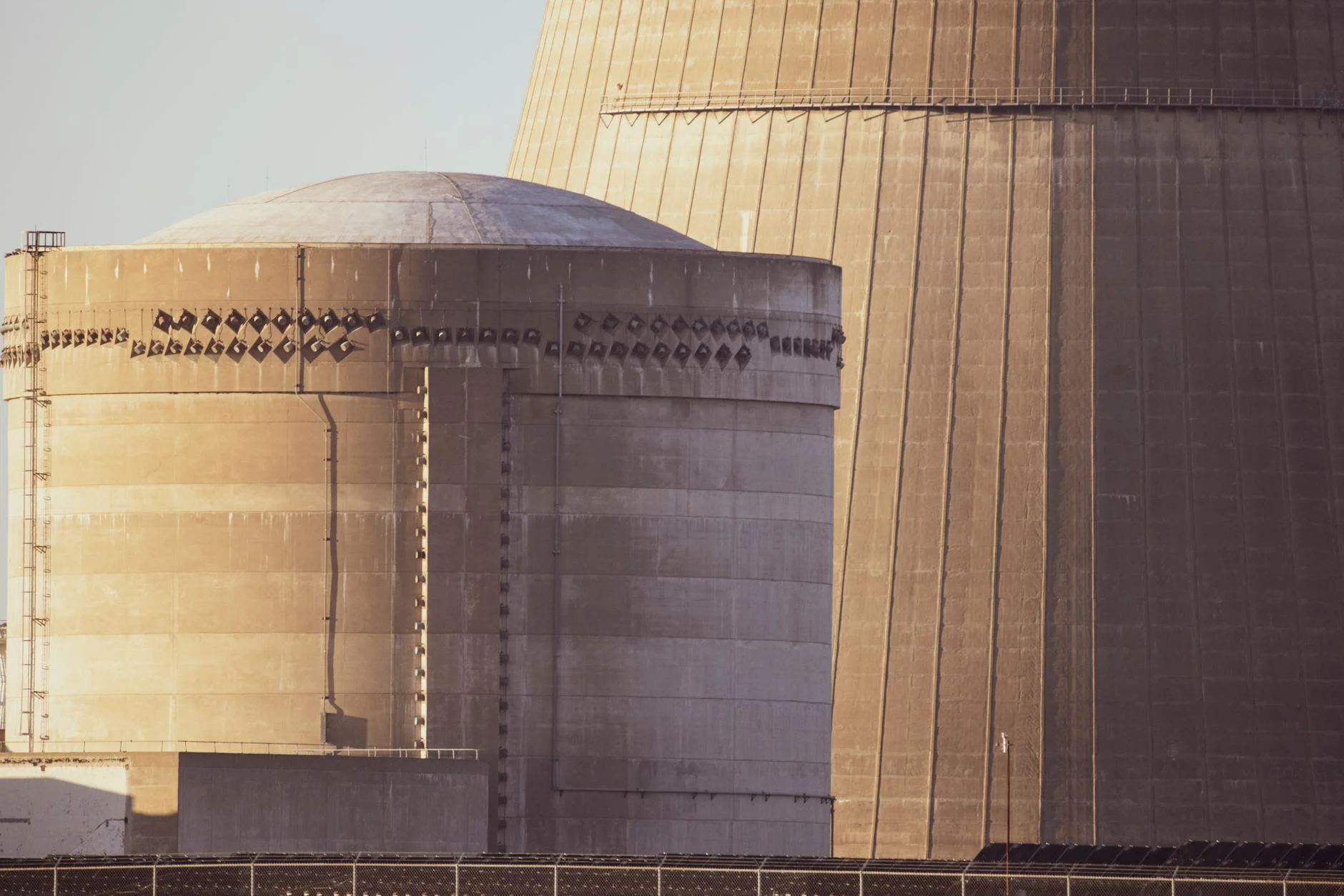
Iran's March 2026 missile strike on Israel's Dimona nuclear facility—injuring over 100 people—has exposed a contradiction at the heart of Middle Eastern nuclear politics: the US and its allies demand Iran remain non-nuclear while Israel operates a substantial arsenal under a cloak of official silence. This asymmetry is not sustainable, and the recent escalation suggests the pretence is finally cracking.
Dispatch
HONG KONG, 29 MARCH 2026 — Marianne Hanson, writing in the South China Morning Post, laid out the core tension:
Israel's avowed goal in the Middle East war is to prevent Iran from acquiring nuclear weapons. Yet the double standard associated with this is hardly sustainable in the long run. The worst-kept secret in the world of nuclear politics is that Israel possesses a formidable arsenal of nuclear weapons. It began developing these in the 1950s and reached a fully operational capability by the late 1960s. Although Israel refuses to confirm or deny this fact, arms control organisations have assessed that the country has some 80 to 90 nuclear weapons.[1]
Hanson's piece follows Iran's direct targeting of Israel's Dimona facility, which the International Atomic Energy Agency (IAEA) director flagged as a dangerous escalation. The strike itself represents a threshold moment: for decades, Iran has remained non-nuclear while Israel maintained its arsenal in the shadows. Now, with missiles striking Israeli nuclear infrastructure, that shadow has become impossible to ignore.
No major outlet has yet offered a contrasting account of the core facts. The asymmetry Hanson identifies—Israel's 80–90 warheads versus Iran's zero—is not disputed among arms control analysts. What differs is whether this arrangement should continue.
What's Really Happening
The Real Stakes
The immediate risk is tactical: a tit-for-tat cycle in which Israel strikes Iranian nuclear or military sites, Iran responds with missile attacks on Israeli facilities, and both sides inch closer to a direct military engagement that neither can fully control. The IAEA's concern about a nuclear accident [1] is real. Dimona houses active reactors; a direct hit could trigger a radiological catastrophe affecting not only Israel and the Palestinian territories but also Egypt, Jordan, and beyond.
The structural risk runs deeper. Non-aligned countries—India, Brazil, South Africa, Indonesia—have long resented the implicit message that nuclear weapons are acceptable for Western allies but forbidden for everyone else. This resentment has eroded the Non-Proliferation Treaty (NPT), the cornerstone of global nuclear order since 1968. If Iran concludes that the NPT offers no protection and no reciprocal constraints on Israel, Tehran has little incentive to remain non-nuclear. Conversely, if Iran does acquire weapons, Saudi Arabia, Turkey, and potentially Egypt will follow. The regional cascade would be irreversible.
Confirmed: The IAEA has no authority to inspect Israeli nuclear facilities [1], a structural gap that has persisted for five decades. This gap is not accidental; it reflects a deliberate choice by the US and its allies to exempt Israel from the transparency regime imposed on everyone else.
Projected: Analysts expect that if Iran acquires even a small arsenal (5–10 warheads), it will shift the regional balance enough to trigger Saudi nuclear weapons development within 18–24 months. This is not speculative; it is the stated position of Saudi officials and has been documented in US intelligence assessments.
One scenario: Should Israel strike Iranian nuclear facilities in the coming weeks—a move that has been publicly discussed in Israeli media—Iran's response could escalate beyond missile strikes to cyber attacks on Gulf oil infrastructure, proxy attacks on US bases, or even a blockade of the Strait of Hormuz. The oil price shock alone would dwarf the 2022 energy crisis.
Geopolitical Dimension
The US position has become incoherent. Washington demands that Iran remain non-nuclear while providing Israel with advanced weapons systems and diplomatic cover. This worked when the JCPOA was intact and Iran believed restraint would be rewarded with sanctions relief. After the US withdrew in 2018, that logic collapsed. Iran has since accelerated enrichment, and the Biden administration has oscillated between diplomacy and military posturing—never landing on a consistent strategy.
The European position is formally aligned with the US but privately troubled. France, Germany, and the UK all signed the JCPOA and have spent years defending it. They cannot openly endorse Israel's implicit nuclear deterrent while demanding Iran remain constrained. This contradiction has weakened European credibility with non-aligned states and made it harder for the EU to mediate future arms control agreements.
Russia and China, meanwhile, have begun to exploit this hypocrisy explicitly. Beijing has pointed out that the double standard undermines the entire non-proliferation framework and has suggested that if the West will not enforce equal standards, others will pursue nuclear weapons without apology. This is not idle rhetoric; it reflects a genuine shift in how rising powers view nuclear legitimacy.
Israel's position is the clearest, even if unspoken: nuclear weapons are a strategic necessity given the country's geography and threat environment. Israeli strategists argue that transparency would invite international pressure and potentially expose their arsenal to attack. They are not wrong about the pressure; they are wrong if they believe the current arrangement is stable. The Dimona strike proves otherwise.
Impact Radar
Watch For
1. IAEA Board vote on Iran inspections (next 60 days): If the IAEA passes a resolution calling for expanded inspections of Iranian military sites—a move the US has been pushing—Iran will likely respond by announcing higher enrichment levels. Watch for an announcement from Tehran's Atomic Energy Organization; if they declare 90% enrichment, they are signalling imminent weapons capability.
2. Israeli military planning documents or statements: Israeli Defence Minister and military chiefs have publicly discussed strikes on Iranian nuclear sites. If Israeli media reports that the military has submitted operational plans to the government, that is a signal that a strike is under serious consideration (not yet approved, but in the decision pipeline). This typically precedes action by 2–4 weeks.
3. Saudi Arabia's nuclear announcement: If Saudi officials publicly call for their own nuclear programme—moving from private discussions to public statements—it signals that Riyadh has concluded Iran will acquire weapons and is preparing domestic political cover for its own programme. This would be the clearest sign of regional cascade.
Bottom Line
Israel's nuclear arsenal is no longer a secret; it is an open secret that everyone pretends not to see. That pretence is collapsing. Iran's strike on Dimona has forced the contradiction into the open: the West cannot simultaneously demand non-proliferation from Iran while exempting Israel from the same rules. Either the international community moves toward a genuine, equal non-proliferation regime—which would require Israel to accept inspections and potentially disarm—or it accepts that the NPT is dead and prepares for a multi-polar nuclear Middle East. There is no sustainable middle ground.