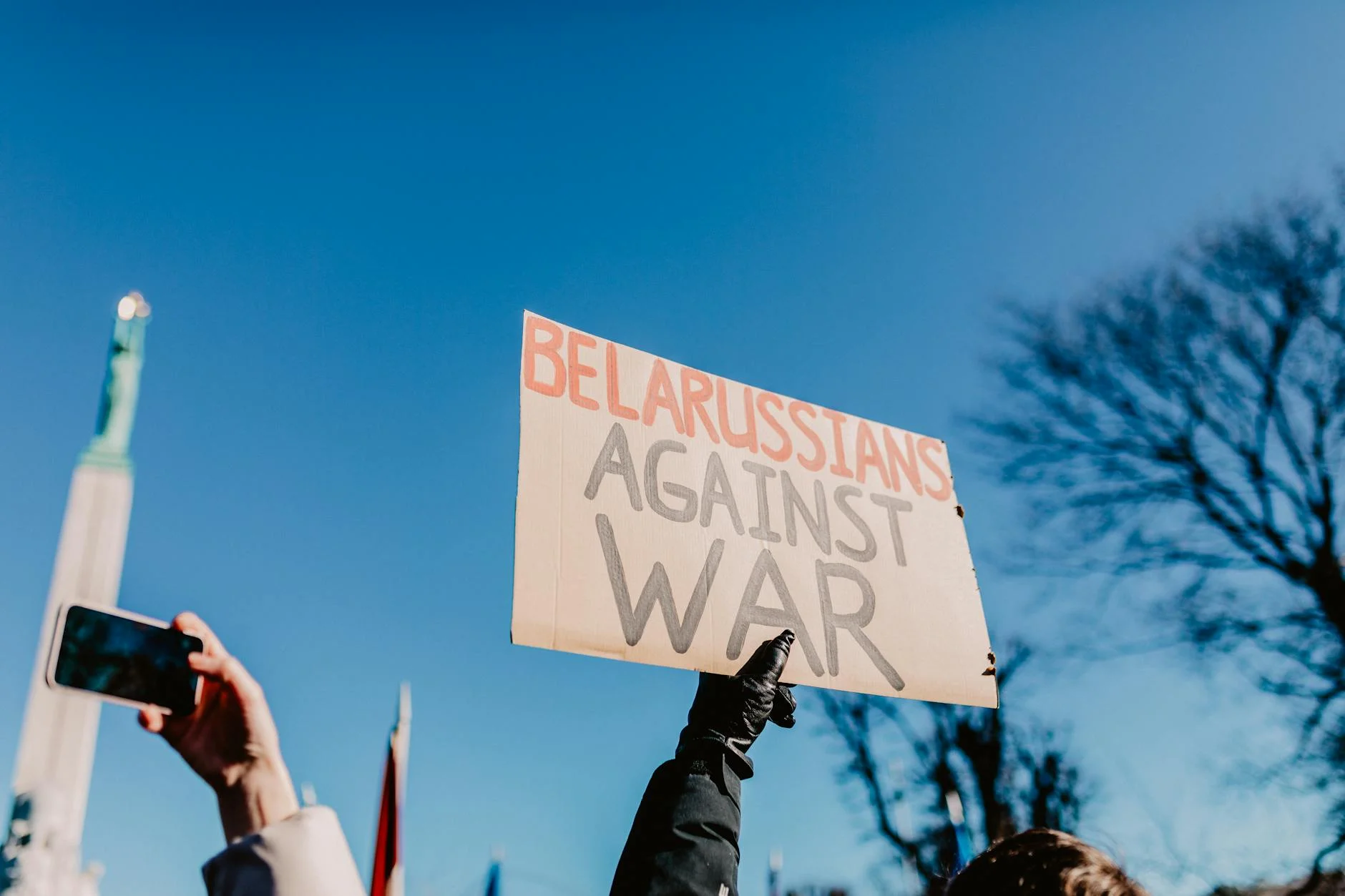
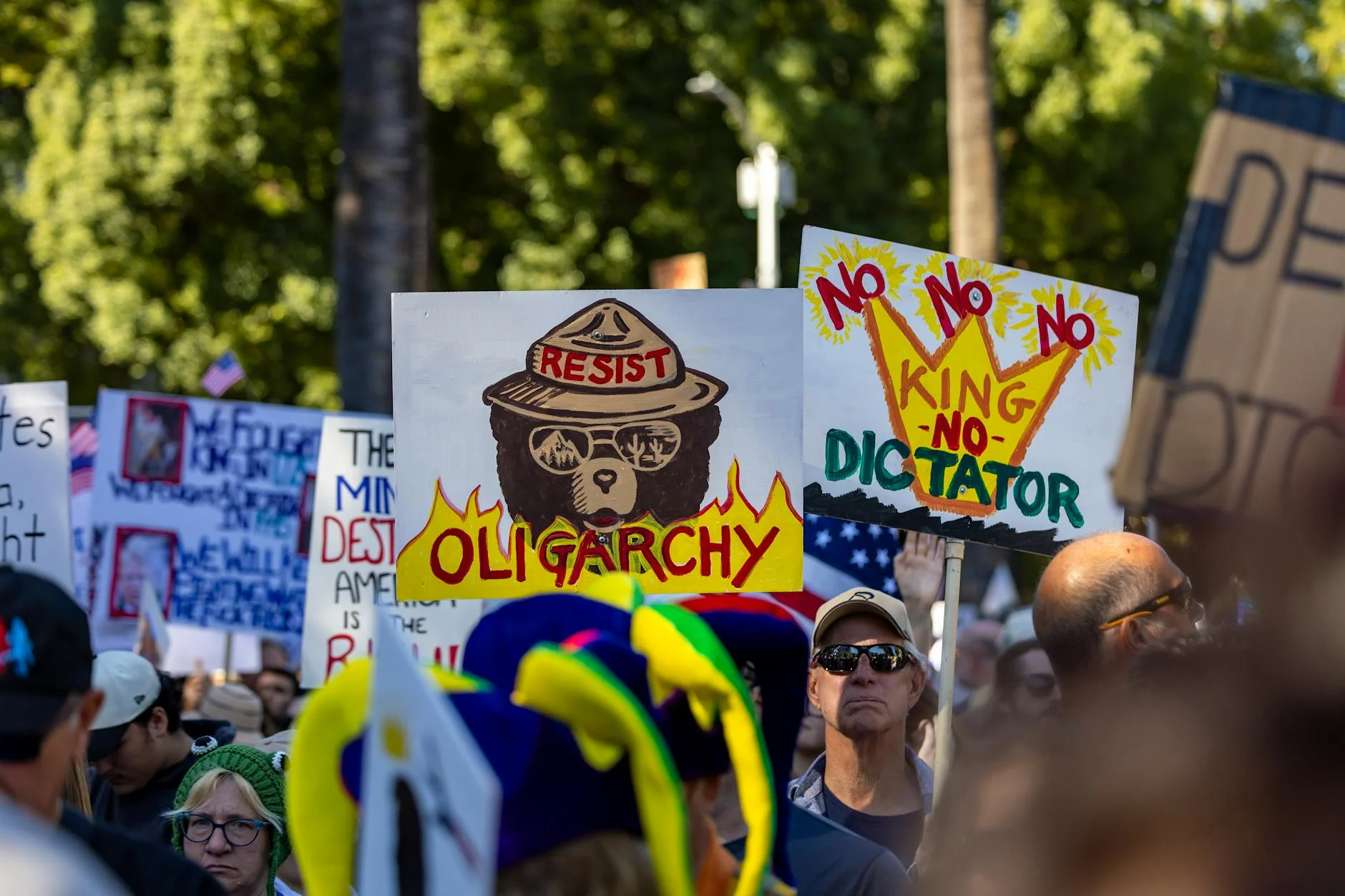
On 28 March 2026, one month after American and Israeli forces began military operations against Iran, demonstrations erupted across multiple US cities opposing both Trump and the campaign itself. The scale and timing signal something more significant than routine antiwar sentiment: a reopening of the fault lines that defined US foreign policy debate for two decades, now mapped onto a president who built his 2024 platform partly on restraint.
Dispatch
NEW YORK, 29 MARCH 2026 — NHK World, Japan's international public broadcaster, reported on 29 March that アメリカでは各地でトランプ大統領に対する抗議デモが行われ、軍事作戦に反対する声も多く聞かれました(protests against Trump took place across America, with many voices heard opposing the military operation) [1].
The reporting connects three concurrent facts: the one-month milestone of US-Israel operations against Iran [1], nationwide demonstrations on 28 March [1], and public opposition framed specifically around the military campaign [1]. NHK World did not provide turnout figures, named cities, or specific protest locations — a significant gap in the source material itself.
No major English-language outlet has yet offered a contrasting account of these protests or alternative framing of their significance. The absence of competing narratives in the available sources limits this analysis to what NHK World documented: the existence of protests, their geographic distribution, and their stated opposition to the military operations.
What's Really Happening
The Real Stakes
Trump faces a political test that his 2024 messaging did not prepare his coalition to handle. He ran partly on the promise of ending "forever wars" and redirecting military resources toward domestic priorities. One month into a major Iran operation, he must now defend an escalation that contradicts that narrative — or risk hemorrhaging support from the isolationist and America First wing of his party.
The protests themselves carry limited immediate political weight: demonstrations do not directly constrain military operations or force policy reversals. But they are an early warning signal. If opposition hardens — particularly if it spreads beyond traditional antiwar constituencies into swing voters or working-class Republicans skeptical of Middle East entanglement — the administration faces pressure to either accelerate the campaign toward a rapid conclusion or negotiate an off-ramp. Neither option is cost-free.
The economic dimension adds urgency. NHK World reported on 28 March that an アメリカ元高官(former US official) stated: エネルギー供給の史上最大の混乱だ(this is the largest disruption to energy supplies in history) [3]. If energy markets remain volatile or oil prices spike further, public tolerance for the campaign erodes rapidly. Antiwar sentiment becomes economically rational, not merely ideological.
Geopolitical Dimension
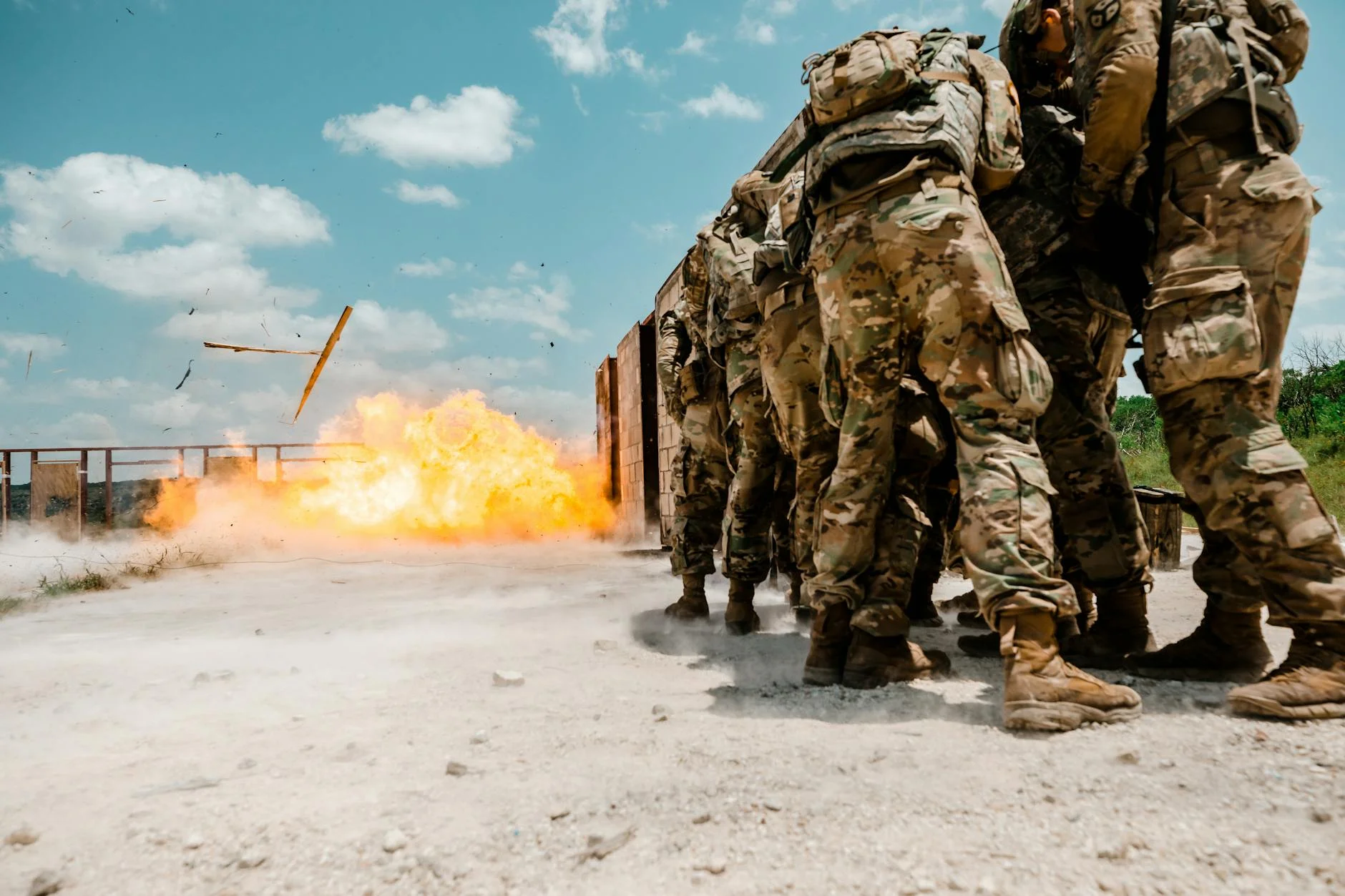
The Iran operation has already triggered cascading regional responses. NHK World reported that 米中央軍"1万1000余の標的を攻撃"(US Central Command attacked over 11,000 targets) and that イランも湾岸諸国を攻撃(Iran also attacked Gulf states) [2]. This is not a contained US-Israel operation; it is a regional conflict with multiple actors. Houthi forces in Yemen have attacked Israeli targets [4], and cyberattacks attributed to Iranian-linked hackers have targeted US officials [5].
Domestic US opposition to the campaign now intersects with this regional escalation spiral. If protests grow while Iran escalates — or if US-Israel operations expand in scope — the political pressure on Trump intensifies. He cannot sustain a major regional conflict indefinitely without either a clear military victory, a negotiated settlement, or a dramatic domestic political shift that reconciles his base to continued operations.
Impact Radar
Watch For
1. Protest trajectory over the next 30 days: If demonstrations remain localized to traditional antiwar urban centers and dissipate within 2–3 weeks, the political threat is contained. If they expand geographically, grow in size, or spread into swing-state suburbs and Republican-leaning areas, the administration faces genuine political pressure. Monitor turnout figures and demographic data from major cities (New York, Los Angeles, Chicago, Washington DC) as reported by local news outlets and protest organizers.
2. Oil price movement and consumer energy costs: If Brent crude remains above $90/barrel or US gasoline averages exceed $3.50/gallon through April 2026, public opposition to the campaign will likely harden. Energy prices are a direct household concern that converts geopolitical opposition into economic grievance. Watch weekly EIA petroleum reports and consumer sentiment surveys from the University of Michigan.
3. Iranian escalation or US operational expansion: If Iran conducts another major retaliatory strike or if US-Israel operations expand beyond current targets (e.g., strikes on Iranian nuclear facilities or infrastructure), domestic opposition will intensify. Conversely, if the campaign achieves a visible military objective or if the administration announces a negotiated settlement within 60 days, opposition may recede. Monitor Pentagon press briefings, Israeli military statements, and Iranian government communications for signals of escalation or de-escalation.
4. Republican defections in Congress: Early indicator of whether Trump's isolationist wing is genuinely mobilizing. If Senate Republicans (particularly those from swing states or representing districts with strong antiwar sentiment) begin issuing public statements questioning the operation, the political cost has risen significantly. Monitor statements from the Senate Foreign Relations Committee and individual senators' press releases.
Bottom Line
One month into major military operations against Iran, Trump faces organized domestic opposition that his 2024 messaging did not prepare his coalition to absorb. The protests are real, geographically distributed, and framed explicitly around opposition to the military campaign. Whether this opposition hardens into sustained political pressure depends on three factors: the trajectory of regional escalation, energy market volatility, and whether the campaign delivers a clear military or diplomatic victory within the next 60 days. Trump cannot sustain a major regional conflict indefinitely without reconciling his base to an outcome that contradicts his stated foreign policy philosophy — and the clock is running.