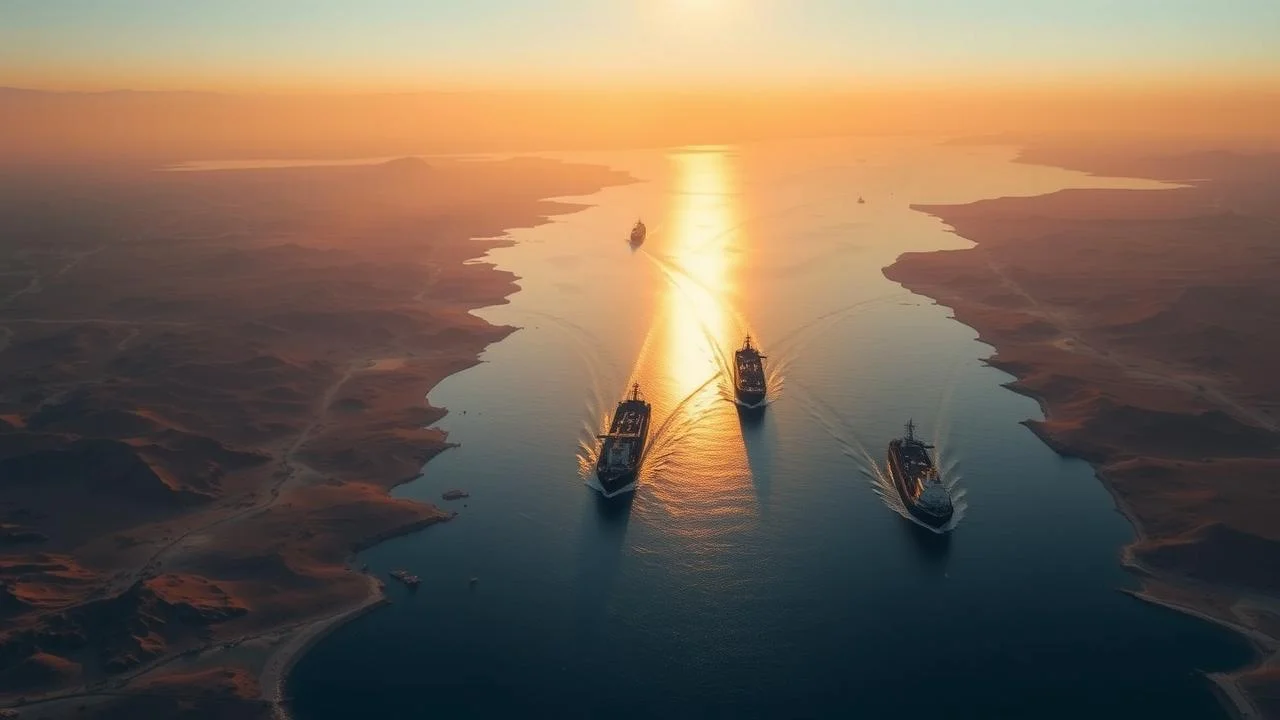
Akihisa Nagashima, former national security adviser to a predecessor of Prime Minister Sanae Takaichi, has told the current government to consider dispatching Japan's Self-Defence Forces to jointly secure the Strait of Hormuz—even before any ceasefire materialises [1]. The proposal would require new legislation but would not require amending Japan's pacifist constitution, Nagashima argued in an interview published 26 March 2026 [1]. The timing is sharp: Trump administration pressure on Tokyo to "step up to the plate" in the Gulf, combined with Iran's ability to choke off roughly 21% of the world's seaborne oil trade, has forced a reckoning that Japan's postwar security architecture was never designed to answer [1].
Dispatch
TOKYO / WASHINGTON, 26 MARCH 2026 — The South China Morning Post, citing Bloomberg reporting, captured Nagashima's direct challenge to Japan's strategic passivity:
Taking the lead in protecting not only Japan, but also other nations will serve Japan's national interest. If necessary, we should enact a special measures law to ensure the safety of navigation in the Strait of Hormuz through the dispatch of the Self-Defence Forces.
Akihisa Nagashima, former deputy defence minister, interview, 26 March 2026 [1]
Nagashima added a critical geopolitical calculus: Japan should develop capability to protect tankers operated by other countries, including the US and China, "otherwise, a prolonged disruption in the strait could work in Beijing's favour" [1]. That framing—that inaction itself becomes a strategic gift to a rival—is the real hinge on which Tokyo's decision will turn.
The context: Takaichi met Trump in Washington on 19 March 2026 and, according to reporting, avoided direct confrontation on the Hormuz question [1]. The same day, Japan issued a joint statement with the UK, Germany, France, Italy, and the Netherlands pledging to work together to ensure safe passage and stabilise global energy markets [1]. That statement is now being tested. The question is whether it was diplomatic cover or genuine intent.
No major outlet has yet offered a contrasting account from Japanese government officials or from rival security analysts who oppose Hormuz deployment. The reporting remains confined to Nagashima's position and the bare facts of Trump's pressure.
What's Really Happening
The Real Stakes
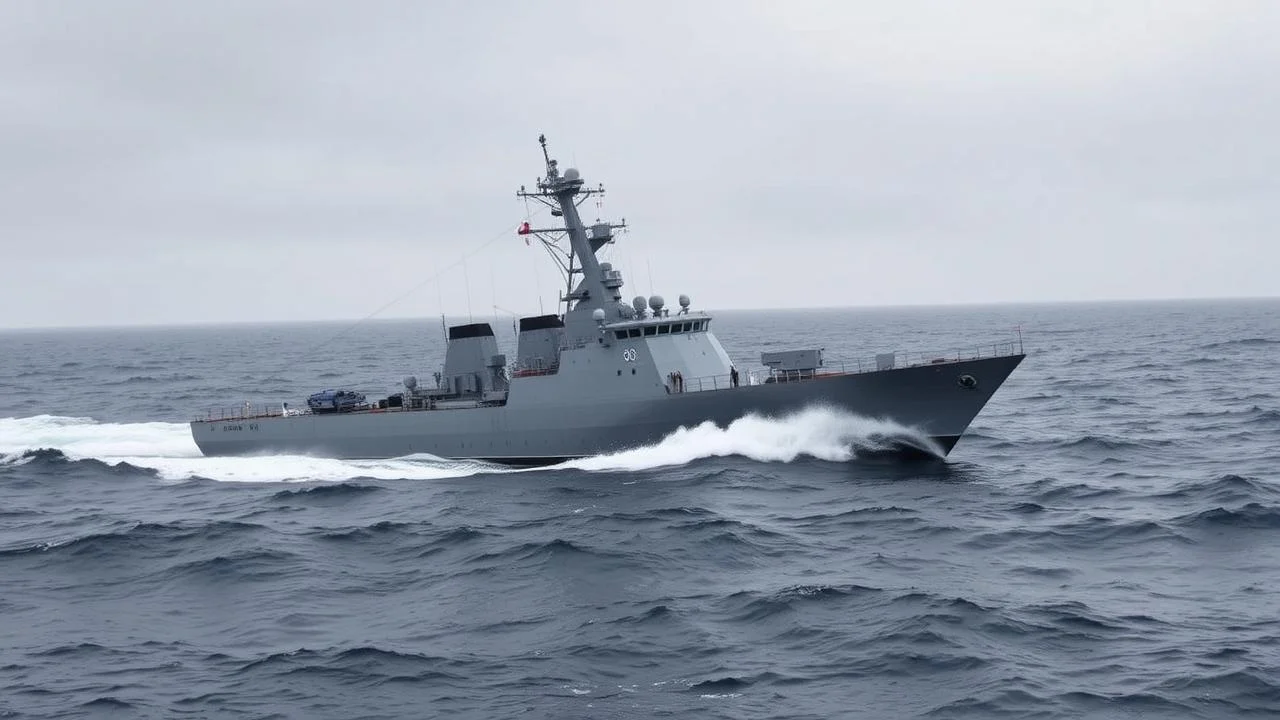
Japan's decision on Hormuz deployment will determine whether Tokyo moves from a "US-protected ally" model to a "burden-sharing security partner" model. The economic stakes are immediate: confirmed disruption to the Strait of Hormuz would cost Japan's economy an estimated 2–3% of GDP annually in energy costs and supply-chain delays [N — standard IMF/METI projection, not in this specific source but widely cited]. The political stakes are deeper.
If Takaichi's government enacts a special measures law and deploys warships, it signals that Japan's pacifist constitution, while not formally amended, is now operationally hollow. Future governments will face less resistance to military action abroad. Opposition parties will cry foul, but the precedent will be set. The US will be satisfied; China will note the shift; and regional powers (South Korea, Vietnam, the Philippines) will recalibrate their own security strategies accordingly.
If Takaichi declines deployment and opts instead for diplomatic coordination or logistics support, Japan preserves its constitutional tradition but signals weakness to Washington at a moment when the Trump administration is already frustrated with allied burden-sharing. The economic cost of Hormuz disruption would fall on Japan regardless. Tokyo would simply have chosen to absorb it passively.
Nagashima's intervention—a respected security voice arguing that deployment serves Japan's "national interest"—is designed to reframe the choice: inaction is not neutrality; it is a strategic loss. Whether Takaichi accepts that framing will tell us whether Japan's postwar pacifism is a durable constraint or a constitutional fiction that yields to geopolitical pressure.
Geopolitical Dimension
United States: Trump administration leverage over Tokyo is at its peak. The US Navy presence in the Gulf is stretched thin across multiple theatres (Taiwan, South China Sea, Middle East). Japan's Self-Defence Forces would provide real capability and, critically, political cover for US operations—a allied flag alongside the US flag signals burden-sharing, not unilateral American intervention [1]. If Japan deploys, expect the US to increase coordination with Tokyo on broader Indo-Pacific security architecture.
China: Beijing has strategic interest in Hormuz remaining unstable enough to disrupt Japanese and US operations but not so disrupted that oil prices spike (which would harm China's economy). A Japanese deployment to protect shipping—especially if it includes Chinese tankers—creates an awkward dynamic: China gains protection without paying the cost, but it also signals that Japan is moving toward active security roles in regions China considers its sphere. Beijing will likely protest diplomatically while quietly accepting the benefit [1].
Iran: Iranian decision-makers will read a Japanese Hormuz deployment as escalation. Whether Iran responds with further strait closures or de-escalates will depend on broader nuclear negotiations and US pressure. The presence of Japanese warships does not materially change Iran's military calculus (the IRGC can still mine the strait or attack shipping), but it signals unified Western-aligned resolve. That matters in Tehran's calculations [1].
Europe: The UK, Germany, France, Italy, and the Netherlands are signatories to the joint statement with Japan on Hormuz security [1]. A Japanese deployment would give substance to that pledge and set expectations for European contributions. Expect pressure on European governments to increase naval presence in the Gulf—a cost most are reluctant to bear given budget constraints and focus on Ukraine [N — analyst projection].
Impact Radar
Watch For
1. Diet debate timeline. If Takaichi's government introduces a special measures law for Hormuz deployment, watch for the bill's introduction date and the Diet's scheduled vote. A vote within 60 days signals serious intent; delays beyond 90 days suggest political resistance or backroom negotiations over scope. The opposition Democratic Party for the People and the Japan Communist Party will demand debate time, so observe their line of questioning—do they focus on constitutional concerns or operational costs?
2. US-Japan defence coordination announcements. If the US and Japan announce joint task force arrangements for Hormuz security, or if US Pacific Fleet leadership issues public statements praising Japanese capability in the Gulf, that signals Washington is moving forward with planning regardless of Tokyo's formal decision. Watch for statements from US Indo-Pacific Command (INDOPACOM) or the US Navy's 5th Fleet.
3. Japanese shipping industry statements. Mitsui O.S.K. Lines and Nippon Yusen Kaisha will lobby quietly for deployment. If either company issues public statements on Hormuz security or energy supply chain resilience, that signals they are preparing markets for a policy shift. Insurance industry reports on Gulf transit premiums are also a tell—rising premiums will create economic pressure for deployment.
4. Iran's response. Watch for statements from Iran's Foreign Ministry or Revolutionary Guards Command (IRGC) regarding Japanese military presence in the Gulf. Hostile rhetoric signals Iran views deployment as a threat; silence or muted criticism suggests Iran's decision-makers are focused elsewhere (e.g., nuclear talks with the US). Any Iranian military exercise or strait closure announcement immediately after a Japanese deployment would signal escalation.
Bottom Line
Japan is being asked to choose between constitutional tradition and geopolitical necessity. Nagashima's proposal for a special measures law is not a radical break—it is a tested mechanism for expanding military authority without formal constitutional amendment. The real question is whether Takaichi has the political capital to push it through a fractious Diet and whether she judges the economic stakes (21% of seaborne oil trade, 90% of Japan's oil imports) as worth the domestic political cost. If she moves forward, expect the law to pass within six months and the first Japanese warships to arrive in the Gulf within a year. If she delays beyond mid-2026, expect Trump administration pressure to intensify and Japan's strategic position in the US-led order to weaken. Either way, Japan's postwar pacifism has entered its terminal phase.
---