Belarus Frees Journalist in US-Brokered Prisoner Swap With West
Trump envoy broker prisoner swap as Belarus seeks Western rapprochement amid Ukraine tensions.
By Adrian Cole🕐 4/28/2026 · 12:54 PM ET5 min read2003 words
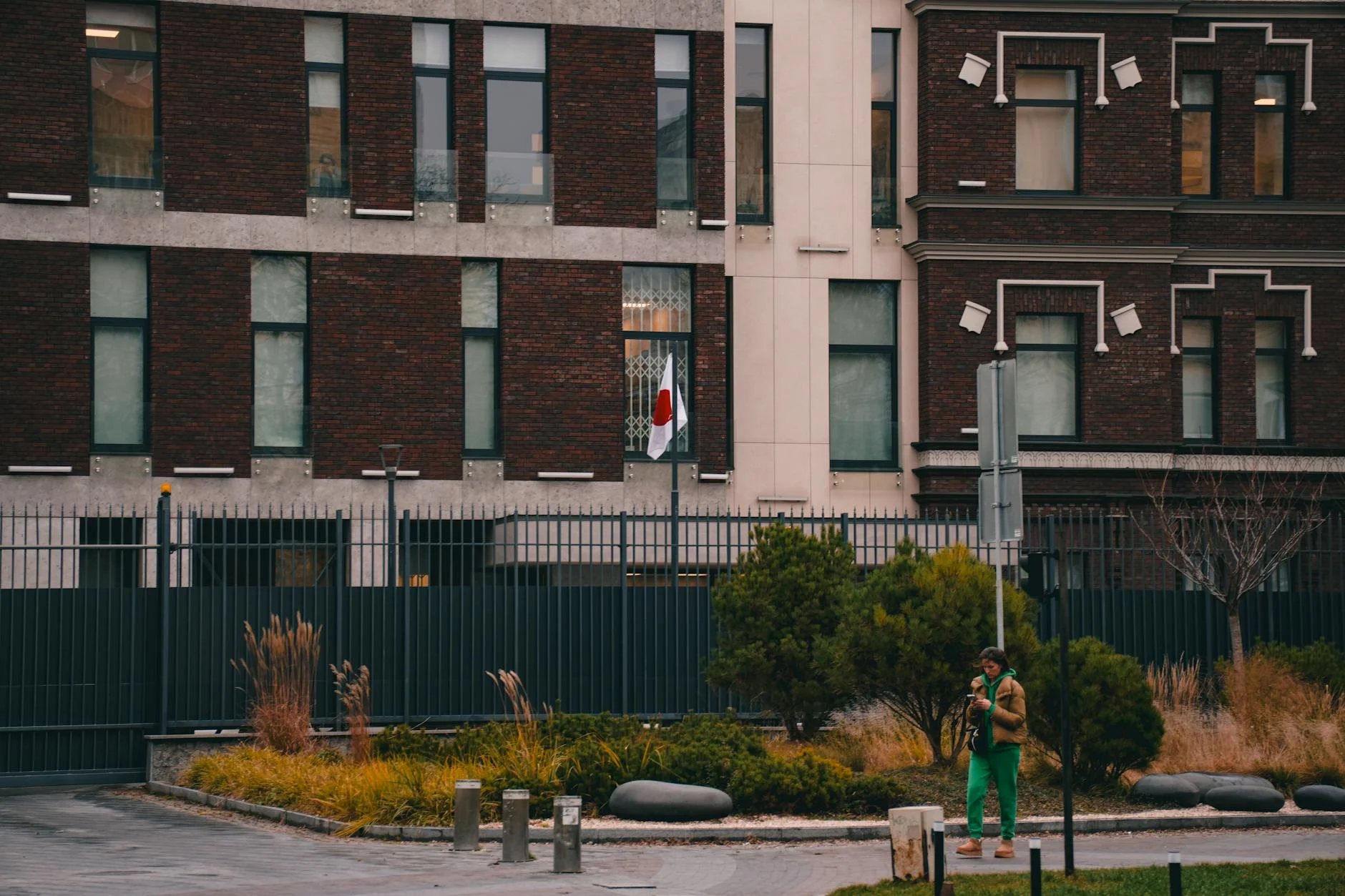
Stock photo · For reference only · Not taken by our journalists
Belarusian President Alexandr Lukashenko released Polish-Belarusian journalist Andrzej Poczobut on 28 April 2026, along with nine other detainees, in a multi-country prisoner swap brokered by the Trump administration's special envoy to Belarus, John Coale. The release marks a dramatic reversal in Lukashenko's posture toward the West—one that raises urgent questions about what Washington is prepared to concede to extract concessions from Europe's most isolated autocrat.
Dispatch
MINSK/WARSAW, 28 April 2026 — The Al Jazeera report, published the same day as the prisoner exchange, frames Lukashenko's move as a deliberate signal of openness to Western rapprochement:
Belarus has released Polish-Belarusian journalist Andrzej Poczobut from jail as part of a prisoner exchange. Poland's Prime Minister Donald Tusk confirmed the release on Tuesday, noting that Warsaw had been helped in a joint diplomatic push on Minsk by the United States, Romania and Moldova. The prisoner swap with Poland saw 10 prisoners released overall, with signs that Belarusian President Alexandr Lukashenko is hoping to improve relations with the West once more. Ties have deteriorated due to his support for Russia's invasion of Ukraine.
Al Jazeera, 28 April 2026
📷 Image via Al Jazeera · Reproduced for editorial reference under fair use
Poczobut, a correspondent for Poland's Gazeta Wyborcza, had been detained since 2021 and sentenced to eight years in a labour camp in a trial that drew international condemnation. The Guardian's account (28 April 2026) supplies the geopolitical context that Al Jazeera leaves implicit:
The release comes as part of a broader attempt to bring Belarus closer to the west, after the US secured the release of 123 prisoners including the Nobel peace prize winner Ales Bialiatski and the opposition figure Maria Kalesnikava late last year and removed some sanctions, including on Belarusian potash, a key export. The talks with Belarus's authoritarian leader, Aleksandr Lukashenko, often called "Europe's last dictator", were led by the US special envoy to Belarus, John Coale, who confirmed that three Poles and two Moldovans were released as part of the swap.
The Guardian, 28 April 2026
Critically, Coale's own framing reveals Washington's negotiating posture. The Guardian quotes him directly:
Basically an argument with Lukashenko is, what are you getting out of this? It hurts you internationally and if Belarus wants to join the family of nations, this kind of things have to stop. Coale said he was planning to go back to Belarus in two or three weeks for further talks with the Belarusian regime. The United States has a lot to do on this issue, there's 800 to 900 political prisoners left to get out of Belarus, and we haven't stopped our work at all until we get every last one of them, he said.
The Guardian, 28 April 2026
This is the operative detail: Coale has publicly announced a target list of 800–900 political prisoners and a timeline for further negotiations. He is not negotiating in secret; he is negotiating in Lukashenko's face, and broadcasting the terms to allied capitals.
What's Really Happening
Confirmed: Lukashenko is trading prisoners for sanctions relief. The Guardian explicitly notes that Washington removed sanctions on Belarusian potash (a major export) in exchange for the earlier release of 123 prisoners, including Nobel laureate Ales Bialiatski, late 2025 [1]. This prisoner-for-sanctions swap is now the established template.
Confirmed: Trump's envoy has shifted US strategy from isolation to negotiated engagement. Coale's public statements—and his willingness to return to Minsk on a fixed schedule—signal that Washington has abandoned the Obama-era and Biden-era approach of maximum pressure. Tusk noted the exchange was the finale of a two-year complicated diplomatic game[1], indicating this is not a sudden shift but a sustained, deliberate policy reversal.
Structural mechanism: Lukashenko is exploiting Trump's transactional mindset. Coale's language—what are you getting out of this?—mirrors Trump's deal-making framework. Lukashenko holds political prisoners; Trump's envoy wants them released; the price is sanctions relief on potash and other exports. This is a hostage-for-ransom dynamic, but it is being rebranded as constructive engagement.
Named actor and role: John Coale, Trump's special envoy, is the architect. He is not a career diplomat; he is a Trump loyalist tasked with a specific objective: peel Belarus away from Russia and toward the West. His public timeline (two or three weeks for next talks) and his stated prisoner target (800–900 detainees) show he is operating with explicit marching orders.
What other outlets are missing: The cost to European allies. Poland, Romania, and Moldova are credited as invaluable support[1], but none of them controlled the outcome. The US negotiated the terms. This raises a question no outlet has yet asked: Did Washington consult its NATO allies on what sanctions relief on Belarusian potash would mean for their agricultural and industrial sectors? Or did Trump's envoy make a unilateral decision?
Stock photo · For illustration only
The Real Stakes
For Lukashenko, this is a lifeline. Belarus's economy has been strangled by sanctions since 2020, when he stole the presidential election and crushed mass protests. Potash is one of his few hard-currency exports; sanctions on it cost the state billions annually. By releasing high-profile prisoners in batches, he can negotiate incremental sanctions relief without fundamentally changing his governance model. He releases 10 prisoners; the US lifts sanctions on potash. He releases 50 more; the US unfreezes banking channels. The political prisoners become a renewable resource—a commodity he can convert into economic oxygen.
For Trump's team, the calculus is different. They see Belarus as a potential lever against Russia. If Lukashenko can be coaxed away from Moscow—or at least kept neutral in the Ukraine conflict—it weakens Russia's western flank. Coale's public statements about joining the family of nations are a carrot: normalise your governance, release your prisoners, and we will restore you to the international economy. This is a bet that Lukashenko's survival instinct will eventually override his dependence on Putin.
For Poland and the EU, the implications are murkier and more troubling. Confirmed: Poland secured the release of three nationals, including Poczobut, a cause célèbre for Polish civil society and the European Parliament (which awarded him the Sakharov Prize in 2025) [1]. That is a genuine diplomatic victory. But Poland did not negotiate the terms; Washington did. If the US is prepared to lift sanctions on Belarusian potash unilaterally, it sets a precedent: American geopolitical priorities (containing Russia, stabilising Belarus) can override European economic and security interests. The EU has maintained sanctions on Belarus precisely to pressure Lukashenko on governance and human rights. If Trump's administration systematically dismantles those sanctions in exchange for prisoner releases, the EU's leverage collapses.
Projected: Lukashenko will use this momentum to demand more. Coale has promised to return in two or three weeks for further talks. At that meeting, Lukashenko will likely demand not just potash sanctions relief but also access to international financial markets, removal from terrorist-financing lists, and possibly even the unfreezing of state assets abroad. Each demand will be framed as a quid pro quo for releasing the next batch of prisoners. If Coale agrees, the US will have effectively normalised Belarus—not through democratic reform, but through transactional dealmaking.
Geopolitical Dimension
Russia's calculus: Moscow has no interest in Lukashenko becoming too independent or too integrated into the Western economy. A Belarus that depends on Russian energy and Russian security guarantees is a Belarus that stays aligned. A Belarus that trades with the West and receives sanctions relief becomes a variable. However, Russia's leverage over Lukashenko is also weakening: the Ukraine war has strained the Russian economy, and Lukashenko has already signalled that he will not send Belarusian troops into Ukraine. If the US can offer economic relief that Russia cannot match, Lukashenko may pivot. This is the real game.
Poland's position: Poland sits between Germany (which wants engagement with Russia) and the US (which wants to contain Russia). Poczobut's release is a win for Polish civil society and Polish-American relations. But it also signals that Washington is willing to negotiate with Lukashenko without consulting Warsaw on the broader terms. This creates a precedent: if Trump's team can make unilateral deals with Minsk, what prevents them from making unilateral deals with Moscow?
The EU's fracture: The Sakharov Prize, awarded to Poczobut by the European Parliament, represents the EU's commitment to press freedom and human rights. His release is a vindication of that commitment. But it was achieved not through EU pressure but through US dealmaking with an authoritarian regime. This undercuts the EU's moral authority and its strategic autonomy. If the US is the only actor that can extract concessions from autocrats, the EU becomes a bystander in its own backyard.
Stock photo · For illustration only
Impact Radar
Economic Impact: 7/10 — Sanctions relief on Belarusian potash (a fertiliser feedstock) will lower global fertiliser prices marginally and benefit Lukashenko's state budget by an estimated $1–2 billion annually [1]. This has downstream effects on global agricultural commodity prices and on EU agricultural producers, who will face cheaper Belarusian competition.
Geopolitical Impact: 8/10 — This exchange signals a fundamental shift in Trump administration policy toward authoritarian regimes: transactional dealmaking replaces pressure campaigns. If the model works in Belarus, it will be replicated in other contexts (Iran, North Korea, Syria). The precedent is significant.
Technology Impact: 2/10 — No direct technology implications in this exchange, though prisoner releases may include detained tech workers or cybersecurity experts.
Social Impact: 6/10 — The release of 10 prisoners, including a Nobel laureate and a prominent journalist, is a genuine humanitarian win. However, it leaves 800–900 political prisoners in Belarusian jails [1], suggesting the social impact is limited and conditional on future negotiations.
Policy Impact: 9/10 — This exchange establishes a new US policy framework for dealing with Belarus: prisoner releases in exchange for incremental sanctions relief. It also signals a willingness to negotiate directly with Lukashenko, bypassing the EU. This will reshape Western strategy toward Eastern Europe.
Watch For
1. Coale's return visit to Minsk (expected mid-May 2026, per his stated timeline [1]). If he returns on schedule and announces another round of prisoner releases, the pattern is confirmed. If he delays or cancels, it signals either a breakdown in negotiations or a shift in Trump's priorities. Watch for any public statement from Coale on the timing and agenda.
2. EU response to potash sanctions relief. The European Commission has not yet publicly responded to the US lifting potash sanctions. If the EU follows suit, the sanctions regime collapses entirely, and Lukashenko gains full economic rehabilitation. If the EU maintains its own sanctions, a transatlantic split emerges, with the US normalising Belarus while Europe isolates it.
3. The 800–900 prisoner target [1]. Coale has publicly committed to releasing all remaining political prisoners. Watch for the rate of releases over the next six months. If Lukashenko releases 100+ prisoners monthly, the momentum is real. If releases slow to a trickle, it signals he is rationing them to extract maximum concessions. The speed of releases is a barometer of the deal's sustainability.
Bottom Line
Lukashenko has discovered that under Trump, political prisoners are a tradable commodity. By releasing high-profile detainees in batches, he can extract sanctions relief without reforming his regime. The Trump administration is betting this transactional approach will gradually reorient Belarus away from Russia. But the real cost—a precedent that authoritarian regimes can trade human rights concessions for economic normalisation—has been outsourced to Europe and deferred to future administrations. Watch whether Coale's next visit produces more prisoners or more sanctions relief, because one of those outcomes will define whether this is a genuine diplomatic breakthrough or a high-priced hostage swap dressed in diplomatic language.
AI Translation (Deutsch) — For reference only. English version is authoritative.
Lukaschenko lässt Journalisten frei: Das Gefangenen-Tauschgeschäft, das Europas Strategie bedroht
Trumps Belarus-Gesandter hat den Code geknackt, den Merkel nie lösen konnte – aber der Preis wird sichtbar, und es geht nicht nur um Gefangene.
Der belarussische Präsident Aleksandr Lukaschenko entließ den polnisch-belarussischen Journalisten Andrzej Poczobut am 28. April 2026 zusammen mit neun weiteren Häftlingen in einem länderübergreifenden Gefangenenaustausch, den der Sondergesandte der Trump-Administration für Belarus, John Coale, vermittelte. Die Freilassung markiert eine dramatische Umkehr in Lukaschenkos Haltung gegenüber dem Westen – eine, die dringende Fragen aufwirft, was Washington bereit ist, dem isoliertesten Autokraten Europas zuzugestehen, um Zugeständnisse zu erhalten.
Bericht vor Ort
MINSK/WARSCHAU, 28. April 2026 — Der Al-Jazeera-Bericht, veröffentlicht am selben Tag des Gefangenenaustausches, rahmt Lukaschenkos Schritt als bewusstes Signal der Offenheit für westliche Annäherung:
Belarus hat den polnisch-belarussischen Journalisten Andrzej Poczobut aus dem Gefängnis entlassen, im Rahmen eines Gefangenenaustausches. Polens Premierminister Donald Tusk bestätigte die Freilassung am Dienstag und vermerkte, dass Warschau bei einem gemeinsamen diplomatischen Druck auf Minsk von den USA, Rumänien und Moldau unterstützt worden war. Der Gefangenenaustausch mit Polen führte zur Freilassung von insgesamt 10 Gefangenen, mit Anzeichen, dass der belarussische Präsident Aleksandr Lukaschenko hofft, die Beziehungen zum Westen erneut zu verbessern. Die Beziehungen haben sich wegen seiner Unterstützung für Russlands Invasion der Ukraine verschlechtert.
Al Jazeera, 28. April 2026
Poczobut, Korrespondent der polnischen Gazeta Wyborcza, war seit 2021 in Haft und wurde zu acht Jahren in einem Arbeitslager verurteilt – in einem Prozess, der internationale Verurteilung hervorrief. Der Bericht des Guardian (28. April 2026) liefert den geopolitischen Kontext, den Al Jazeera implizit lässt:
Die Freilassung ist Teil eines umfassenderen Versuchs, Belarus dem Westen näher zu bringen, nachdem die USA Ende letzten Jahres die Freilassung von 123 Gefangenen sicherten, darunter der Friedensnobelpreisträger Ales Bialiatski und die Oppositionsfigur Maria Kolesnikowa, und einige Sanktionen aufhoben, einschließlich solcher auf belarussisches Kali, ein Schlüsselexport. Die Gespräche mit Weißrusslands autoritärem Anführer, Aleksandr Lukaschenko, oft „Europas letzter Diktator" genannt, wurden vom US-Sondergesandten für Belarus, John Coale, geleitet, der bestätigte, dass drei Polen und zwei Moldauer im Rahmen des Austauschs freigegeben wurden.
The Guardian, 28. April 2026
Entscheidend ist, dass Coales eigene Rahmung Washingtons Verhandlungsposition offenbart. Der Guardian zitiert ihn direkt:
„Grundsätzlich ist das Argument mit Lukaschenko: Was bekommst du dafür? Es schadet dir international, und wenn Belarus zur Familie der Nationen beitreten will, muss dieses Verhalten aufhören." Coale sagte, er plane, in „zwei oder drei Wochen" nach Belarus zurückzukehren, um weitere Gespräche mit dem belarussischen Regime zu führen. „Die Vereinigten Staaten haben viel zu tun bei diesem Thema, es sind 800 bis 900 politische Gefangene, die aus Belarus herauskommen müssen, und wir haben unsere Arbeit überhaupt nicht eingestellt, bis wir jeden letzten von ihnen heraushaben", sagte er.
The Guardian, 28. April 2026
Das ist das entscheidende Detail: Coale hat öffentlich eine Zieliste von 800–900 politischen Gefangenen und einen Zeitrahmen für weitere Verhandlungen angekündigt. Er verhandelt nicht im Geheimen; er verhandelt vor Lukaschenkos Gesicht und übermittelt die Bedingungen an verbündete Hauptstädte.
Was wirklich passiert
Bestätigt: Lukaschenko tauscht Gefangene gegen Sanktionserleichterungen. Der Guardian vermerkt explizit, dass Washington Ende 2025 Sanktionen auf belarussisches Kali (ein großer Export) aufhob, im Gegenzug für die frühere Freilassung von 123 Gefangenen, einschließlich Nobelpreisträger Ales Bialiatski [1]. Dieser Gefangenen-gegen-Sanktionen-Austausch ist nun die etablierte Vorlage.
Bestätigt: Trumps Gesandter hat die US-Strategie von Isolation zu verhandeltem Engagement verschoben. Coales öffentliche Aussagen – und seine Bereitschaft, nach Minsk nach festem Plan zurückzukehren – signalisieren, dass Washington die Herangehensweise der Obama- und Biden-Ära des maximalen Drucks aufgegeben hat. Tusk vermerkte, der Austausch sei „das Finale eines zweijährigen komplizierten diplomatischen Spiels" [1], was anzeigt, dass dies keine plötzliche Verschiebung, sondern eine durchdachte, absichtliche Politikumkehr ist.
Struktureller Mechanismus: Lukaschenko nutzt Trumps transaktionale Denkweise aus. Coales Sprache – „was bekommst du dafür?" – spiegelt Trumps Deal-Making-Rahmen. Lukaschenko hält politische Gefangene; Trumps Gesandter will sie freigelassen; der Preis ist Sanktionserleichterung auf Kali und andere Exporte. Dies ist eine Geisel-gegen-Lösegeld-Dynamik, wird aber als „konstruktive Zusammenarbeit" umbenannt.
Benannter Akteur und Rolle: John Coale, Trumps Sondergesandter, ist der Architekt. Er ist kein Karrierediplomat; er ist ein Trump-Loyalist mit einer spezifischen Aufgabe: Belarus von Russland weg und zum Westen hin zu bewegen. Sein öffentlicher Zeitrahmen („zwei oder drei Wochen" für nächste Gespräche) und sein erklärtes Gefangenenziel (800–900 Häftlinge) zeigen, dass er mit expliziten Marschbefehlen operiert.
Was andere Medien vermissen: Die Kosten für europäische Verbündete. Polen, Rumänien und Moldau werden als „unschätzbare Unterstützung" [1] angerechnet, aber keiner von ihnen kontrollierte das Ergebnis. Die USA verhandelten die Bedingungen. Dies wirft eine Frage auf, die bisher kein Medium gestellt hat: Konsultierte Washington seine NATO-Verbündeten darüber, was Sanktionserleichterung auf belarussisches Kali für ihre Agrar- und Industriesektoren bedeuten würde? Oder traf Trumps Gesandter eine einseitige Entscheidung?
Die echten Einsätze
Für Lukaschenko ist dies ein Rettungsanker. Weißrusslands Wirtschaft wurde seit 2020 durch Sanktionen erdrosselt, als er die Präsidentschaftswahl stahl und Massenproteste niederschlug. Kali ist einer seiner wenigen Hartdevisenexporte; Sanktionen darauf kosten den Staat jährlich Milliarden. Durch die Freilassung hochkarätiger Gefangener in Chargen kann er schrittweise Sanktionserleichterungen verhandeln, ohne sein Regierungsmodell grundlegend zu ändern. Er entlässt 10 Gefangene; die USA heben Sanktionen auf Kali auf. Er entlässt 50 weitere; die USA entsperren Bankkanäle. Die politischen Gefangenen werden zu einer erneuerbaren Ressource – einer Ware, die er in wirtschaftliche Luft umwandeln kann.
Für Trumps Team ist die Kalkulation anders. Sie sehen Belarus als Hebel gegen Russland. Wenn Lukaschenko von Moskau weggelockt werden kann – oder zumindest neutral im Ukraine-Konflikt bleibt – schwächt dies Russlands westliche Flanke. Coales öffentliche Aussagen über das „Beitreten zur Familie der Nationen" sind eine Karotte: Normalisiert eure Regierungsweise, entlässt eure Gefangenen, und wir werden euch in die internationale Wirtschaft zurückbringen. Dies ist eine Wette, dass Lukaschenkos Überlebenstrieb letztendlich seine Abhängigkeit von Putin überwiegen wird.
Für Polen und die EU sind die Implikationen trüber und besorgniserregender. Bestätigt: Polen sicherte die Freilassung von drei Bürgern, einschließlich Poczobut, eine Lieblingssache der polnischen Zivilgesellschaft und des Europäischen Parlaments (das ihm 2025 den Sacharow-Preis verlieh) [1]. Das ist ein echter diplomatischer Sieg. Aber Polen verhandelte die Bedingungen nicht; Washington tat es. Wenn die USA bereit sind, Sanktionen auf belarussisches Kali einseitig aufzuheben, setzt dies einen Präzedenzfall: Amerikanische geopolitische Prioritäten (Russland eindämmen, Belarus stabilisieren) können europäische wirtschaftliche und Sicherheitsinteressen übertrumpfen. Die EU hat Sanktionen auf Belarus genau deshalb aufrechterhalten, um Lukaschenko bei Governance und Menschenrechten unter Druck zu setzen. Wenn Trumps Administration diese Sanktionen systematisch im Austausch für Gefangenenfreigaben abbaut, kollabiert Europas Hebelwirkung.
Prognose: Lukaschenko wird diesen Schwung nutzen, um mehr zu fordern. Coale hat versprochen, in „zwei oder drei Wochen" zu weiteren Gesprächen zurückzukehren. Bei diesem Treffen wird Lukaschenko wahrscheinlich nicht nur Kali-Sanktionserleichterung fordern, sondern auch Zugang zu internationalen Finanzmärkten, Streichung von Terrorfinanzierungslisten und möglicherweise sogar die Freigabe von Staatsaktiva im Ausland. Jede Forderung wird als Gegenleistung für die Freilassung der nächsten Gefangenenbatch dargestellt. Wenn Coale zustimmt, wird die USA Belarus effektiv normalisiert haben – nicht durch demokratische Reformen, sondern durch transaktionales Deal-Making.
Geopolitische Dimension
Russlands Kalkulation: Moskau hat kein Interesse daran, dass Lukaschenko zu unabhängig wird oder zu stark in die Westwirtschaft integriert. Ein Belarus, das von russischer Energie und russischen Sicherheitsgarantien abhängt, ist ein Belarus, das ausgerichtet bleibt. Ein Belarus, das mit dem Westen handelt und Sanktionserleichterung erhält, wird zu einer Variablen. Allerdings schwächt sich auch Russlands Hebelwirkung über Lukaschenko: Der Ukraine-Krieg hat die russische Wirtschaft angespannt, und Lukaschenko hat bereits signalisiert, dass er keine belarussischen Truppen in die Ukraine entsenden wird. Wenn die USA wirtschaftliche Erleichterung anbieten können, die Russland nicht erreichen kann, könnte Lukaschenko schwenken. Dies ist das echte Spiel.
Polens Position: Polen sitzt zwischen Deutschland (das Engagement mit Russland will) und den USA (die Russland eindämmen wollen). Poczobuts Freilassung ist ein Sieg für die polnische Zivilgesellschaft und die polnisch-amerikanischen Beziehungen. Aber es signalisiert auch, dass Washington bereit ist, mit Lukaschenko zu verhandeln, ohne Warschau zu den breiteren Bedingungen zu konsultieren. Dies schafft einen Präzedenzfall: Wenn Trumps Team einseitige Deals mit Minsk machen kann, was hindert sie daran, einseitige Deals mit Moskau zu machen?
Europas Bruchstelle: Der Sacharow-Preis, vom Europäischen Parlament an Poczobut verliehen, repräsentiert Europas Verpflichtung zu Pressefreiheit und Menschenrechten. Seine Freilassung ist eine Bestätigung dieser Verpflichtung. Aber sie wurde erreicht nicht durch EU-Druck, sondern durch US-Deal-Making mit einem autoritären Regime. Dies untergräbt Europas moralische Autorität und seine strategische Autonomie. Wenn die USA der einzige Akteur sind, der Zugeständnisse von Autokraten erpressen kann, wird die EU zum Zuschauer in seinem eigenen Hinterhof.
Auswirkungsradar
Wirtschaftliche Auswirkungen: 7/10 — Sanktionserleichterung auf belarussisches Kali (ein Düngemittel-Rohstoff) wird globale Düngemittelpreise marginal senken und Lukaschenkos Staatsbudget um geschätzte 1–2 Milliarden Dollar jährlich erhöhen [1]. Dies hat Auswirkungen auf globale Agrar-Rohstoffpreise und auf EU-Landwirtschaftsproduzenten, die mit billigerem belarussischem Wettbewerb konfrontiert werden.
Geopolitische Auswirkungen: 8/10 — Dieser Austausch signalisiert eine grundlegende Verschiebung in der Trump-Administration-Politik gegenüber autoritären Regimen: Transaktionales Deal-Making ersetzt Druckkampagnen. Wenn das Modell in Belarus funktioniert, wird es in anderen Kontexten repliziert (Iran, Nordkorea, Syrien). Der Präzedenzfall ist erheblich.
Technologie-Auswirkungen: 2/10 — Keine direkten Technologie-Implikationen in diesem Austausch, obwohl Gefangenenfreigaben inhaftete Tech-Arbeiter oder Cybersicherheitsexperten einschließen könnten.
Soziale Auswirkungen: 6/10 — Die Freilassung von 10 Gefangenen, einschließlich eines Nobelpreisträgers und eines prominenten Journalisten, ist ein echter humanitärer Sieg. Aber es lässt 800–900 politische Gefangene in belarussischen Gefängnissen [1], was andeutet, dass die soziale Auswirkung begrenzt und bedingt durch zukünftige Verhandlungen ist.
Politische Auswirkungen: 9/10 — Dieser Austausch etabliert ein neues US-Politikrahmen für den Umgang mit Belarus: Gefangenenfreigaben gegen schrittweise Sanktionserleichterung. Es signalisiert auch eine Bereitschaft, direkt mit Lukaschenko zu verhandeln, die EU umgehend. Dies wird die westliche Strategie gegenüber Osteuropa neu gestalten.
Beobachten Sie
1. Coales Rückkehr nach Minsk (erwartet Mitte Mai 2026, gemäß seinem angegebenen Zeitrahmen [1]). Wenn er pünktlich zurückkehrt und eine weitere Runde von Gefangenenfreigaben ankündigt, ist das Muster bestätigt. Wenn er verzögert oder abbricht, signalisiert dies entweder einen Verhandlungszusammenbruch oder eine Verschiebung in Trumps Prioritäten. Beobachten Sie jede öffentliche Aussage von Coale über Timing und Agenda.
2. EU-Reaktion auf Kali-Sanktionserleichterung. Die Europäische Kommission hat sich noch nicht öffentlich zur Aufhebung von Kali-Sanktionen durch die USA geäußert. Wenn die EU folgt, kollabiert das gesamte Sanktionsregime, und Lukaschenko erhält volle wirtschaftliche Rehabilitation. Wenn die EU ihre eigenen Sanktionen aufrechterhält, entsteht ein transatlantischer Riss, mit den USA, die Belarus normalisieren, während Europa es isoliert.
3. Das Ziel von 800–900 Gefangenen [1]. Coale hat sich öffentlich verpflichtet, alle verbleibenden politischen Gefangenen freizulassen. Beobachten Sie die Rate der Freigaben über die nächsten sechs Monate. Wenn Lukaschenko monatlich 100+ Gefangene entlässt, ist der Schwung real. Wenn Freigaben auf ein Rinnsal verlangsamen, signalisiert dies, dass er sie rationiert, um maximale Zugeständnisse zu erpressen. Die Geschwindigkeit der Freigaben ist ein Barometer für die Nachhaltigkeit des Deals.
Fazit
Lukaschenko hat entdeckt, dass unter Trump politische Gefangene eine handelbare Ware sind. Durch die Freilassung hochkarätiger Häftlinge in Chargen kann er Sanktionserleichterung erpressen, ohne sein Regime zu reformieren. Die Trump-Administration setzt darauf, dass dieser transaktionale Ansatz Belarus schrittweise von Russland weg orientiert. Aber die echten Kosten – ein Präzedenzfall, dass autoritäre Regime Menschenrechtskonzessionen gegen wirtschaftliche Normalisierung handeln können – wurden auf Europa ausgelagert und auf zukünftige Administrationen verschoben. Beobachten Sie, ob Coales nächster Besuch mehr Gefangene oder mehr Sanktionserleichterung bringt, denn eines dieser Ergebnisse wird definieren, ob dies ein echter diplomatischer Durchbruch oder ein hochpreisiger Geisel-Austausch in diplomatischer Sprache ist.
Referenzen
[1] Al Jazeera — "Belarus eyes Western ties as it frees journalist Andrzej Poczobut" (28. April 2026). URL: https://www.aljazeera.com/news/2026/4/28/belarus-eyes-western-ties-as-it-frees-journalist-andrzej-poczobut?traffic_source=rss
[2] The Guardian — "Journalist Andrzej Poczobut freed from prison in Belarus in US-brokered swap deal" (28. April 2026). URL: https://www.theguardian.com/world/2026/apr/28/journalist-andrzej-poczobut-freed-prison-belarus-us-brokered-swap-deal
AI Translation (Español) — For reference only. English version is authoritative.
Bielorrusia libera a periodista en canje de prisioneros mediado por Estados Unidos con Occidente
El enviado de Belarus de Trump ha descifrado el código que Merkel nunca pudo—pero el precio se hace visible, y no se trata solo de prisioneros.
El presidente bielorruso Alexandr Lukashenko liberó al periodista polaco-bielorruso Andrzej Poczobut el 28 de abril de 2026, junto con otros nueve detenidos, en un canje de prisioneros multilateral mediado por el enviado especial de la administración Trump a Bielorrusia, John Coale. La liberación marca un giro dramático en la postura de Lukashenko hacia Occidente—uno que plantea preguntas urgentes sobre qué está dispuesto a conceder Washington para extraer concesiones del autócrata más aislado de Europa.
Despacho
MINSK/VARSOVIA, 28 de abril de 2026 — El informe de Al Jazeera, publicado el mismo día del canje de prisioneros, presenta el movimiento de Lukashenko como una señal deliberada de apertura hacia el acercamiento occidental:
Bielorrusia ha liberado al periodista polaco-bielorruso Andrzej Poczobut de la cárcel como parte de un canje de prisioneros. El Primer Ministro de Polonia, Donald Tusk, confirmó la liberación el martes, señalando que Varsovia había recibido ayuda en un esfuerzo diplomático conjunto hacia Minsk por parte de Estados Unidos, Rumania y Moldavia. El canje de prisioneros con Polonia resultó en la liberación de 10 prisioneros en total, con señales de que el presidente bielorruso Alexandr Lukashenko espera mejorar las relaciones con Occidente una vez más. Las relaciones se han deteriorado debido a su apoyo a la invasión rusa de Ucrania.
Al Jazeera, 28 de abril de 2026
Poczobut, corresponsal del Gazeta Wyborcza de Polonia, había estado detenido desde 2021 y fue condenado a ocho años en un campo de trabajo en un juicio que atrajo condena internacional. El relato de The Guardian (28 de abril de 2026) proporciona el contexto geopolítico que Al Jazeera deja implícito:
La liberación se produce como parte de un esfuerzo más amplio para acercar a Bielorrusia a Occidente, después de que Estados Unidos asegurara la liberación de 123 prisioneros, incluyendo el ganador del Premio Nobel de la Paz Ales Bialiatski y la figura de oposición Maria Kalesnikava a finales del año pasado, y eliminara algunas sanciones, incluyendo las del potasio bielorruso, una exportación clave. Las negociaciones con el líder autoritario de Bielorrusia, Aleksandr Lukashenko, a menudo llamado "el último dictador de Europa", fueron dirigidas por el enviado especial de Estados Unidos a Bielorrusia, John Coale, quien confirmó que tres polacos y dos moldavos fueron liberados como parte del canje.
The Guardian, 28 de abril de 2026
De manera crítica, el propio marco de Coale revela la postura negociadora de Washington. The Guardian lo cita directamente:
Básicamente, un argumento con Lukashenko es, ¿qué estás obteniendo de esto? Te daña internacionalmente y si Bielorrusia quiere unirse a la familia de naciones, este tipo de cosas tienen que parar. Coale dijo que planeaba regresar a Bielorrusia en dos o tres semanas para nuevas negociaciones con el régimen bielorruso. Estados Unidos tiene mucho que hacer en este asunto, hay 800 a 900 prisioneros políticos que sacar de Bielorrusia, y no hemos detenido nuestro trabajo en absoluto hasta que saquemos a cada uno de ellos, dijo.
The Guardian, 28 de abril de 2026
Este es el detalle operativo: Coale ha anunciado públicamente una lista objetivo de 800–900 prisioneros políticos y un cronograma para nuevas negociaciones. No está negociando en secreto; está negociando frente a Lukashenko, y transmitiendo los términos a las capitales aliadas.
Lo que realmente está sucediendo
Confirmado: Lukashenko está canjeando prisioneros por alivio de sanciones. The Guardian señala explícitamente que Washington eliminó sanciones sobre el potasio bielorruso (una exportación importante) a cambio de la liberación anterior de 123 prisioneros, incluyendo el laureado Nobel Ales Bialiatski, a finales de 2025 [1]. Este canje de prisioneros por sanciones es ahora el modelo establecido.
Confirmado: El enviado de Trump ha cambiado la estrategia estadounidense de aislamiento a negociación comprometida. Las declaraciones públicas de Coale—y su disposición a regresar a Minsk en un cronograma fijo—señalan que Washington ha abandonado el enfoque de presión máxima de la era Obama y Biden. Tusk señaló que el canje fue el final de un complicado juego diplomático de dos años[1], indicando que no se trata de un cambio repentino sino de una reversión de política deliberada y sostenida.
Mecanismo estructural: Lukashenko está explotando la mentalidad transaccional de Trump. El lenguaje de Coale—¿qué estás obteniendo de esto?—refleja el marco de negociación de Trump. Lukashenko tiene prisioneros políticos; el enviado de Trump quiere que sean liberados; el precio es alivio de sanciones sobre potasio y otras exportaciones. Esta es una dinámica de rehenes por rescate, pero está siendo reempaquetada como negociación constructiva.
Actor nombrado y rol: John Coale, enviado especial de Trump, es el arquitecto. No es un diplomático de carrera; es un leal a Trump encargado de un objetivo específico: separar a Bielorrusia de Rusia y dirigirla hacia Occidente. Su cronograma público (dos o tres semanas para las próximas negociaciones) y su objetivo de prisioneros declarado (800–900 detenidos) muestran que está operando con órdenes explícitas.
Lo que otros medios están perdiendo: El costo para los aliados europeos. Polonia, Rumania y Moldavia son acreditados como apoyo invaluable[1], pero ninguno de ellos controló el resultado. Estados Unidos negoció los términos. Esto plantea una pregunta que ningún medio ha hecho aún: ¿Consultó Washington con sus aliados de la OTAN sobre lo que significaría el alivio de sanciones sobre el potasio bielorruso para sus sectores agrícola e industrial? ¿O el enviado de Trump tomó una decisión unilateral?
Los verdaderos riesgos
Para Lukashenko, esto es un salvavidas. La economía de Bielorrusia ha sido estrangulada por sanciones desde 2020, cuando robó las elecciones presidenciales y aplastó protestas masivas. El potasio es una de sus pocas exportaciones en moneda fuerte; las sanciones sobre él cuestan al estado miles de millones anuales. Al liberar prisioneros de alto perfil en lotes, puede negociar alivio de sanciones incremental sin cambiar fundamentalmente su modelo de gobierno. Libera 10 prisioneros; Estados Unidos levanta sanciones sobre potasio. Libera 50 más; Estados Unidos descongelá canales bancarios. Los prisioneros políticos se convierten en un recurso renovable—una mercancía que puede convertir en oxígeno económico.
Para el equipo de Trump, el cálculo es diferente. Ven a Bielorrusia como una posible palanca contra Rusia. Si Lukashenko puede ser seducido para alejarse de Moscú—o al menos mantenerse neutral en el conflicto de Ucrania—debilita el flanco occidental de Rusia. Las declaraciones públicas de Coale sobre unirse a la familia de naciones son una zanahoria: normaliza tu gobierno, libera tus prisioneros, y restauraremos tu acceso a la economía internacional. Esta es una apuesta de que el instinto de supervivencia de Lukashenko eventualmente superará su dependencia de Putin.
Para Polonia y la UE, las implicaciones son más turbias y más preocupantes. Confirmado: Polonia aseguró la liberación de tres nacionales, incluyendo Poczobut, una causa célebre para la sociedad civil polaca y el Parlamento Europeo (que le otorgó el Premio Sájarov en 2025) [1]. Esa es una verdadera victoria diplomática. Pero Polonia no negoció los términos; Washington lo hizo. Si Estados Unidos está dispuesto a levantar sanciones sobre el potasio bielorruso unilateralmente, establece un precedente: las prioridades geopolíticas estadounidenses (contener a Rusia, estabilizar a Bielorrusia) pueden anular los intereses económicos y de seguridad europeos. La UE ha mantenido sanciones sobre Bielorrusia precisamente para presionar a Lukashenko en gobernanza y derechos humanos. Si la administración Trump desmantelá sistemáticamente esas sanciones a cambio de liberaciones de prisioneros, el apalancamiento de la UE colapsa.
Proyectado: Lukashenko usará este impulso para exigir más. Coale ha prometido regresar en dos o tres semanas para nuevas negociaciones. En esa reunión, Lukashenko probablemente exigirá no solo alivio de sanciones sobre potasio sino también acceso a mercados financieros internacionales, remoción de listas de financiamiento del terrorismo, y posiblemente incluso la descongelación de activos estatales en el extranjero. Cada demanda será enmarcada como un quid pro quo por liberar el próximo lote de prisioneros. Si Coale acepta, Estados Unidos habrá efectivamente normalizado a Bielorrusia—no a través de reforma democrática, sino a través de negociación transaccional.
Dimensión geopolítica
El cálculo de Rusia: Moscú no tiene interés en que Lukashenko se vuelva demasiado independiente o demasiado integrado en la economía occidental. Una Bielorrusia que depende de la energía rusa y las garantías de seguridad rusa es una Bielorrusia que permanece alineada. Una Bielorrusia que comercia con Occidente y recibe alivio de sanciones se convierte en una variable. Sin embargo, el apalancamiento de Rusia sobre Lukashenko también se está debilitando: la guerra de Ucrania ha tensionado la economía rusa, y Lukashenko ya ha señalado que no enviará tropas bielorrusas a Ucrania. Si Estados Unidos puede ofrecer alivio económico que Rusia no puede igualar, Lukashenko puede pivotar. Este es el verdadero juego.
La posición de Polonia: Polonia se encuentra entre Alemania (que quiere negociación con Rusia) y Estados Unidos (que quiere contener a Rusia). La liberación de Poczobut es una victoria para la sociedad civil polaca y las relaciones polaco-estadounidenses. Pero también señala que Washington está dispuesto a negociar con Lukashenko sin consultar a Varsovia sobre los términos más amplios. Esto crea un precedente: si el equipo de Trump puede hacer acuerdos unilaterales con Minsk, ¿qué impide que hagan acuerdos unilaterales con Moscú?
La fractura de la UE: El Premio Sájarov, otorgado a Poczobut por el Parlamento Europeo, representa el compromiso de la UE con la libertad de prensa y los derechos humanos. Su liberación es una vindicación de ese compromiso. Pero fue lograda no a través de presión de la UE sino a través de negociación estadounidense con un régimen autoritario. Esto socava la autoridad moral de la UE y su autonomía estratégica. Si Estados Unidos es el único actor que puede extraer concesiones de autócratas, la UE se convierte en una espectadora en su propio patio trasero.
Radar de impacto
Impacto económico: 7/10 — El alivio de sanciones sobre el potasio bielorruso (una materia prima de fertilizantes) bajará marginalmente los precios de fertilizantes globales y beneficiará al presupuesto estatal de Lukashenko en aproximadamente 1–2 mil millones de dólares anuales [1]. Esto tiene efectos posteriores en los precios de productos básicos agrícolas globales y en productores agrícolas de la UE, que enfrentarán competencia bielorrusa más barata.
Impacto geopolítico: 8/10 — Este canje señala un cambio fundamental en la política de la administración Trump hacia regímenes autoritarios: la negociación transaccional reemplaza las campañas de presión. Si el modelo funciona en Bielorrusia, será replicado en otros contextos (Irán, Corea del Norte, Siria). El precedente es significativo.
Impacto tecnológico: 2/10 — Sin implicaciones tecnológicas directas en este canje, aunque las liberaciones de prisioneros pueden incluir trabajadores tecnológicos detenidos o expertos en ciberseguridad.
Impacto social: 6/10 — La liberación de 10 prisioneros, incluyendo un laureado Nobel y un periodista prominente, es una victoria humanitaria genuina. Sin embargo, deja 800–900 prisioneros políticos en cárceles bielorrusas [1], sugiriendo que el impacto social es limitado y condicional a negociaciones futuras.
Impacto de política: 9/10 — Este canje establece un nuevo marco de política estadounidense para tratar con Bielorrusia: liberaciones de prisioneros a cambio de alivio de sanciones incremental. También señala una disposición a negociar directamente con Lukashenko, eludiendo a la UE. Esto remoldearará la estrategia occidental hacia Europa del Este.
Estar atento a
1. La visita de regreso de Coale a Minsk (esperada a mediados de mayo de 2026, según su cronograma declarado [1]). Si regresa a tiempo y anuncia otra ronda de liberaciones de prisioneros, el patrón está confirmado. Si se retrasa o cancela, señala un colapso en las negociaciones o un cambio en las prioridades de Trump. Estar atento a cualquier declaración pública de Coale sobre el cronograma y la agenda.
2. Respuesta de la UE al alivio de sanciones sobre potasio. La Comisión Europea aún no ha respondido públicamente al levantamiento de sanciones sobre potasio por parte de Estados Unidos. Si la UE sigue el ejemplo, el régimen de sanciones colapsa completamente, y Lukashenko obtiene rehabilitación económica total. Si la UE mantiene sus propias sanciones, emerge una división transatlántica, con Estados Unidos normalizando a Bielorrusia mientras Europa la aísla.
3. El objetivo de 800–900 prisioneros [1]. Coale se ha comprometido públicamente a liberar todos los prisioneros políticos restantes. Estar atento a la tasa de liberaciones durante los próximos seis meses. Si Lukashenko libera 100+ prisioneros mensualmente, el impulso es real. Si las liberaciones se ralentizan a un goteo, señala que está racionándolos para extraer concesiones máximas. La velocidad de liberaciones es un barómetro de la sostenibilidad del acuerdo.
Línea de fondo
Lukashenko ha descubierto que bajo Trump, los prisioneros políticos son una mercancía canjeable. Al liberar detenidos de alto perfil en lotes, puede extraer alivio de sanciones sin reformar su régimen. La administración Trump está apostando a que este enfoque transaccional gradualmente reorientará a Bielorrusia lejos de Rusia. Pero el verdadero costo—un precedente de que regímenes autoritarios pueden canjear concesiones de derechos humanos por normalización económica—ha sido externalizado a Europa y diferido a administraciones futuras. Estar atento a si la próxima visita de Coale produce más prisioneros o más alivio de sanciones, porque uno de esos resultados definirá si esto es un verdadero avance diplomático o un canje de rehenes de alto precio disfrazado de lenguaje diplomático.
Referencias
[1] Al Jazeera — "Belarus eyes Western ties as it frees journalist Andrzej Poczobut" (28 de abril de 2026). URL: https://www.aljazeera.com/news/2026/4/28/belarus-eyes-western-ties-as-it-frees-journalist-andrzej-poczobut?traffic_source=rss
[2] The Guardian — "Journalist Andrzej Poczobut freed from prison in Belarus in US-brokered swap deal" (28 de abril de 2026). URL: https://www.theguardian.com/world/2026/apr/28/journalist-andrzej-poczobut-freed-prison-belarus-us-brokered-swap-deal
AI Translation (Français) — For reference only. English version is authoritative.
Le Biélorussie libère un journaliste dans un échange de prisonniers négocié par Washington : le vrai prix du rapprochement
L'envoyé biélorusse de Trump a résolu une énigme que Merkel n'a jamais pu déchiffrer—mais le prix devient visible, et il ne s'agit pas seulement de prisonniers.
Le président biélorusse Aleksandr Loukachenko a libéré le journaliste polono-biélorusse Andrzej Poczobut le 28 avril 2026, ainsi que neuf autres détenus, dans un échange de prisonniers multilatéral négocié par l'envoyé spécial de l'administration Trump en Biélorussie, John Coale. Cette libération marque un revirement spectaculaire dans l'attitude de Loukachenko envers l'Occident—un revirement qui soulève des questions urgentes sur les concessions que Washington est prêt à faire pour obtenir des concessions de la part de l'autocratie la plus isolée d'Europe.
Dépêche
MINSK/VARSOVIE, 28 avril 2026 — Le rapport d'Al Jazeera, publié le même jour que l'échange de prisonniers, présente le geste de Loukachenko comme un signal délibéré d'ouverture au rapprochement avec l'Occident :
La Biélorussie a libéré le journaliste polono-biélorusse Andrzej Poczobut de prison dans le cadre d'un échange de prisonniers. Le Premier ministre polonais Donald Tusk a confirmé la libération mardi, notant que Varsovie avait bénéficié d'une poussée diplomatique conjointe sur Minsk de la part des États-Unis, de la Roumanie et de la Moldavie. L'échange de prisonniers avec la Pologne a vu la libération de 10 prisonniers au total, avec des signes que le président biélorusse Aleksandr Loukachenko espère améliorer à nouveau les relations avec l'Occident. Les relations se sont détériorées en raison de son soutien à l'invasion russe de l'Ukraine.
Al Jazeera, 28 avril 2026
Poczobut, correspondant du Gazeta Wyborcza polonais, était détenu depuis 2021 et avait été condamné à huit ans de travaux forcés lors d'un procès qui a suscité la condamnation internationale. Le compte rendu du Guardian (28 avril 2026) fournit le contexte géopolitique qu'Al Jazeera laisse implicite :
La libération intervient dans le cadre d'une tentative plus large de rapprocher la Biélorussie de l'Occident, après que les États-Unis ont obtenu la libération de 123 prisonniers, dont le lauréat du prix Nobel de la paix Ales Bialiatski et la figure d'opposition Maria Kalesnikava l'année dernière, et ont levé certaines sanctions, notamment sur la potasse biélorusse, une exportation clé. Les pourparlers avec le leader autoritaire biélorusse, Aleksandr Loukachenko, souvent appelé le « dernier dictateur d'Europe », ont été menés par l'envoyé spécial américain en Biélorussie, John Coale, qui a confirmé que trois Polonais et deux Moldaves ont été libérés dans le cadre de l'échange.
The Guardian, 28 avril 2026
De manière critique, le propre cadrage de Coale révèle la posture de négociation de Washington. Le Guardian le cite directement :
« Essentiellement, l'argument avec Loukachenko est : qu'est-ce que tu y gagnes ? Cela te nuit internationalement et si la Biélorussie veut rejoindre la famille des nations, ce genre de choses doit cesser. » Coale a dit qu'il prévoyait de retourner en Biélorussie dans « deux ou trois semaines » pour d'autres pourparlers avec le régime biélorusse. « Les États-Unis ont beaucoup à faire sur cette question, il y a 800 à 900 prisonniers politiques à sortir de Biélorussie, et nous n'avons pas arrêté notre travail du tout jusqu'à ce que nous les sortions tous, » a-t-il dit.
The Guardian, 28 avril 2026
C'est le détail opérationnel : Coale a publiquement annoncé une liste cible de 800 à 900 prisonniers politiques et un calendrier pour d'autres négociations. Il ne négocie pas en secret ; il négocie face à Loukachenko, et diffuse les conditions aux capitales alliées.
Ce qui se passe vraiment
Confirmé : Loukachenko échange des prisonniers contre un allègement des sanctions. Le Guardian note explicitement que Washington a levé les sanctions sur la potasse biélorusse (une exportation majeure) en échange de la libération antérieure de 123 prisonniers, dont le lauréat du prix Nobel Ales Bialiatski, fin 2025 [1]. Cet échange prisonniers-contre-sanctions est maintenant le modèle établi.
Confirmé : l'envoyé de Trump a modifié la stratégie américaine, passant de l'isolement à l'engagement négocié. Les déclarations publiques de Coale—et sa volonté de retourner à Minsk selon un calendrier fixe—signalent que Washington a abandonné l'approche de pression maximale de l'ère Obama et Biden. Tusk a noté que l'échange était « l'apothéose d'un jeu diplomatique compliqué de deux ans » [1], indiquant qu'il ne s'agit pas d'un revirement soudain mais d'un renversement politique délibéré et soutenu.
Mécanisme structurel : Loukachenko exploite la mentalité transactionnelle de Trump. Le langage de Coale—« qu'est-ce que tu y gagnes ? »—reflète le cadre de négociation de Trump. Loukachenko détient des prisonniers politiques ; l'envoyé de Trump veut qu'ils soient libérés ; le prix est l'allègement des sanctions sur la potasse et d'autres exportations. C'est une dynamique d'otages contre rançon, mais elle est rebaptisée « engagement constructif ».
Acteur nommé et rôle : John Coale, envoyé spécial de Trump, est l'architecte. Ce n'est pas un diplomate de carrière ; c'est un loyaliste de Trump chargé d'un objectif spécifique : éloigner la Biélorussie de la Russie et la rapprocher de l'Occident. Son calendrier public (« deux ou trois semaines » pour les prochains pourparlers) et sa cible de prisonniers annoncée (800-900 détenus) montrent qu'il opère avec des ordres de marche explicites.
Ce que les autres médias oublient : le coût pour les alliés européens. La Pologne, la Roumanie et la Moldavie sont crédités d'un « soutien inestimable » [1], mais aucune d'elles n'a contrôlé le résultat. Les États-Unis ont négocié les termes. Cela soulève une question qu'aucun média n'a encore posée : Washington a-t-il consulté ses alliés de l'OTAN sur ce que signifierait l'allègement des sanctions sur la potasse biélorusse pour leurs secteurs agricole et industriel ? Ou l'envoyé de Trump a-t-il pris une décision unilatérale ?
Les vrais enjeux
Pour Loukachenko, c'est une bouée de sauvetage. L'économie biélorusse a été étranglée par les sanctions depuis 2020, quand il a volé l'élection présidentielle et écrasé les manifestations de masse. La potasse est l'une de ses rares exportations en devises fortes ; les sanctions sur celle-ci coûtent à l'État des milliards annuellement. En libérant des prisonniers de haut profil par lots, il peut négocier un allègement progressif des sanctions sans changer fondamentalement son modèle de gouvernance. Il libère 10 prisonniers ; les États-Unis lèvent les sanctions sur la potasse. Il libère 50 autres ; les États-Unis débloquent les canaux bancaires. Les prisonniers politiques deviennent une ressource renouvelable—une marchandise qu'il peut convertir en oxygène économique.
Pour l'équipe de Trump, le calcul est différent. Ils voient la Biélorussie comme un levier potentiel contre la Russie. Si Loukachenko peut être attiré loin de Moscou—ou du moins maintenu neutre dans le conflit ukrainien—cela affaiblit le flanc occidental de la Russie. Les déclarations publiques de Coale sur le « rejoindre la famille des nations » sont une carotte : normalisez votre gouvernance, libérez vos prisonniers, et nous vous restaurerons dans l'économie internationale. C'est un pari que l'instinct de survie de Loukachenko finira par surpasser sa dépendance à Poutine.
Pour la Pologne et l'UE, les implications sont plus troubles et plus préoccupantes. Confirmé : la Pologne a obtenu la libération de trois ressortissants, dont Poczobut, une cause célèbre pour la société civile polonaise et le Parlement européen (qui lui a décerné le prix Sakharov en 2025) [1]. C'est une véritable victoire diplomatique. Mais la Pologne n'a pas négocié les termes ; Washington l'a fait. Si les États-Unis sont prêts à lever les sanctions sur la potasse biélorusse unilatéralement, cela crée un précédent : les priorités géopolitiques américaines (contenir la Russie, stabiliser la Biélorussie) peuvent primer sur les intérêts économiques et de sécurité européens. L'UE a maintenu les sanctions contre la Biélorussie précisément pour faire pression sur Loukachenko sur la gouvernance et les droits humains. Si l'administration Trump démantèle systématiquement ces sanctions en échange de libérations de prisonniers, le levier de l'UE s'effondre.
Projection : Loukachenko utilisera cet élan pour exiger davantage. Coale a promis de retourner dans « deux ou trois semaines » pour d'autres pourparlers. À cette réunion, Loukachenko exigera probablement non seulement l'allègement des sanctions sur la potasse mais aussi l'accès aux marchés financiers internationaux, la suppression des listes de financement du terrorisme, et possiblement même le dégel des actifs de l'État à l'étranger. Chaque exigence sera présentée comme un échange pour la libération du prochain lot de prisonniers. Si Coale accepte, les États-Unis auront effectivement normalisé la Biélorussie—non pas par la réforme démocratique, mais par la négociation transactionnelle.
Dimension géopolitique
Le calcul russe : Moscou n'a aucun intérêt à ce que Loukachenko devienne trop indépendant ou trop intégré à l'économie occidentale. Une Biélorussie qui dépend de l'énergie russe et des garanties de sécurité russes est une Biélorussie qui reste alignée. Une Biélorussie qui commerce avec l'Occident et reçoit un allègement des sanctions devient une variable. Cependant, le levier de la Russie sur Loukachenko s'affaiblit également : la guerre en Ukraine a tendu l'économie russe, et Loukachenko a déjà signalé qu'il n'enverra pas les troupes biélorusses en Ukraine. Si les États-Unis peuvent offrir un allègement économique que la Russie ne peut pas égaler, Loukachenko peut basculer. C'est le vrai jeu.
La position polonaise : La Pologne se situe entre l'Allemagne (qui veut l'engagement avec la Russie) et les États-Unis (qui veulent contenir la Russie). La libération de Poczobut est une victoire pour la société civile polonaise et les relations polono-américaines. Mais elle signale aussi que Washington est disposé à négocier avec Loukachenko sans consulter Varsovie sur les termes plus larges. Cela crée un précédent : si l'équipe de Trump peut faire des accords unilatéraux avec Minsk, qu'est-ce qui les empêche de faire des accords unilatéraux avec Moscou ?
La fracture de l'UE : Le prix Sakharov, décerné à Poczobut par le Parlement européen, représente l'engagement de l'UE envers la liberté de la presse et les droits humains. Sa libération est une validation de cet engagement. Mais elle a été obtenue non pas par la pression de l'UE mais par la négociation américaine avec un régime autoritaire. Cela sape l'autorité morale et l'autonomie stratégique de l'UE. Si les États-Unis sont le seul acteur qui peut arracher des concessions aux autocrates, l'UE devient un spectateur dans sa propre cour.
Radar d'impact
Impact économique : 7/10 — L'allègement des sanctions sur la potasse biélorusse (une matière première d'engrais) réduira légèrement les prix mondiaux des engrais et bénéficiera au budget de l'État de Loukachenko d'environ 1 à 2 milliards de dollars annuellement [1]. Cela a des effets en aval sur les prix mondiaux des matières premières agricoles et sur les producteurs agricoles de l'UE, qui feront face à une concurrence biélorusse moins chère.
Impact géopolitique : 8/10 — Cet échange signale un changement fondamental dans la politique de l'administration Trump envers les régimes autoritaires : la négociation transactionnelle remplace les campagnes de pression. Si le modèle fonctionne en Biélorussie, il sera répliqué dans d'autres contextes (Iran, Corée du Nord, Syrie). Le précédent est significatif.
Impact technologique : 2/10 — Aucune implication technologique directe dans cet échange, bien que les libérations de prisonniers puissent inclure des travailleurs technologiques détenus ou des experts en cybersécurité.
Impact social : 6/10 — La libération de 10 prisonniers, dont un lauréat du prix Nobel et un journaliste éminent, est une véritable victoire humanitaire. Cependant, elle laisse 800 à 900 prisonniers politiques dans les prisons biélorusses [1], suggérant que l'impact social est limité et conditionnel aux négociations futures.
Impact politique : 9/10 — Cet échange établit un nouveau cadre politique américain pour traiter avec la Biélorussie : libérations de prisonniers en échange d'un allègement progressif des sanctions. Il signale également une volonté de négocier directement avec Loukachenko, contournant l'UE. Cela restructurera la stratégie occidentale envers l'Europe de l'Est.
À surveiller
1. La visite de retour de Coale à Minsk (prévue à la mi-mai 2026, selon son calendrier annoncé [1]). S'il revient selon le calendrier et annonce une autre série de libérations de prisonniers, le motif est confirmé. S'il retarde ou annule, cela signale soit une rupture dans les négociations, soit un changement dans les priorités de Trump. Surveillez toute déclaration publique de Coale sur le calendrier et l'ordre du jour.
2. La réponse de l'UE à l'allègement des sanctions sur la potasse. La Commission européenne n'a pas encore réagi publiquement à la levée par les États-Unis des sanctions sur la potasse. Si l'UE emboîte le pas, le régime de sanctions s'effondre entièrement, et Loukachenko obtient une réhabilitation économique complète. Si l'UE maintient ses propres sanctions, une fracture transatlantique émerge, les États-Unis normalisant la Biélorussie tandis que l'Europe l'isole.
3. La cible de 800 à 900 prisonniers [1]. Coale s'est publiquement engagé à libérer tous les prisonniers politiques restants. Surveillez le taux de libérations au cours des six prochains mois. Si Loukachenko libère 100+ prisonniers mensuellement, l'élan est réel. Si les libérations ralentissent à un goutte-à-goutte, cela signale qu'il les rationne pour extraire le maximum de concessions. La vitesse des libérations est un baromètre de la durabilité de l'accord.
Conclusion
Loukachenko a découvert que sous Trump, les prisonniers politiques sont une marchandise négociable. En libérant des détenus de haut profil par lots, il peut extraire un allègement des sanctions sans réformer son régime. L'administration Trump parie que cette approche transactionnelle réorientera progressivement la Biélorussie loin de la Russie. Mais le vrai coût—un précédent selon lequel les régimes autoritaires peuvent échanger des concessions sur les droits humains contre une normalisation économique—a été externalisé à l'Europe et reporté aux administrations futures. Observez si la prochaine visite de Coale produit plus de prisonniers ou plus d'allègement des sanctions, car l'un de ces résultats définira si c'est une véritable percée diplomatique ou un échange d'otages au prix fort habillé en langage diplomatique.
Références
[1] Al Jazeera — « La Biélorussie cherche les liens occidentaux en libérant le journaliste Andrzej Poczobut » (28 avril 2026). URL : https://www.aljazeera.com/news/2026/4/28/belarus-eyes-western-ties-as-it-frees-journalist-andrzej-poczobut?traffic_source=rss
[2] The Guardian — « Le journaliste Andrzej Poczobut libéré de prison en Biélorussie dans un accord d'échange négocié par les États-Unis » (28 avril 2026). URL : https://www.theguardian.com/world/2026/apr/28/journalist-andrzej-poczobut-freed-prison-belarus-us-brokered-swap-deal
AI Translation (日本語) — For reference only. English version is authoritative.
AI Translation (Русский) — For reference only. English version is authoritative.
Беларусь освободила журналиста в рамках обмена пленными, организованного США
Спецпредставитель Трампа по Беларуси взломал код, который не смогла разгадать даже Меркель — но цена становится видна, и речь идёт не только о пленных.
Президент Беларуси Александр Лукашенко освободил польско-беларусского журналиста Анджея Поцобута 28 апреля 2026 года вместе с девятью другими задержанными в рамках многостороннего обмена пленными, организованного спецпредставителем администрации Трампа по Беларуси Джоном Коулом. Это освобождение знаменует драматический поворот в отношении Лукашенко к Западу — поворот, который вызывает срочные вопросы о том, на какие уступки готова Вашингтон пойти, чтобы добиться уступок от самого изолированного европейского автократа.
Диспетчерская сводка
МИНСК/ВАРШАВА, 28 апреля 2026 — Отчёт Al Jazeera, опубликованный в день обмена пленными, трактует шаг Лукашенко как намеренный сигнал об открытости для сближения с Западом:
Беларусь освободила польско-беларусского журналиста Анджея Поцобута из тюрьмы в рамках обмена пленными. Премьер-министр Польши Дональд Туск подтвердил освобождение во вторник, отметив, что Варшава получила помощь в совместном дипломатическом давлении на Минск со стороны Соединённых Штатов, Румынии и Молдавии. Обмен пленными с Польшей привёл к освобождению 10 заключённых в целом, что свидетельствует о стремлении президента Беларуси Александра Лукашенко улучшить отношения с Западом. Отношения ухудшились из-за его поддержки российского вторжения на Украину.
Al Jazeera, 28 апреля 2026
Поцобут, корреспондент польской газеты «Газета Wyborcza», был задержан с 2021 года и приговорён к восьми годам в исправительно-трудовом лагере в судебном разбирательстве, вызвавшем международное осуждение. Статья The Guardian от 28 апреля 2026 года предоставляет геополитический контекст, который Al Jazeera оставляет неявным:
Освобождение является частью более широкой попытки приблизить Беларусь к Западу после того, как США добились освобождения 123 заключённых, включая лауреата Нобелевской премии мира Алеса Беляцкого и оппозиционную фигуру Марию Колесникову в конце прошлого года, и сняли некоторые санкции, в том числе на беларусский калий — ключевой экспортный товар. Переговоры с авторитарным лидером Беларуси, Александром Лукашенко, часто называемым «последним диктатором Европы», возглавлял спецпредставитель США по Беларуси Джон Коуле, который подтвердил, что три поляка и два молдаванина были освобождены в рамках обмена.
The Guardian, 28 апреля 2026
Критически важно, что собственная позиция Коула раскрывает переговорную тактику Вашингтона. The Guardian цитирует его напрямую:
«По сути, аргумент в отношении Лукашенко таков: что ты из этого получаешь? Это вредит тебе на международной арене, и если Беларусь хочет присоединиться к семье наций, такие вещи должны прекратиться». Коуле сказал, что планирует вернуться в Беларусь через «две-три недели» для дальнейших переговоров с беларусским режимом. «США есть над чем работать — в Беларуси остаётся 800–900 политических заключённых, и мы не прекращали нашу работу до тех пор, пока не выведем каждого последнего из них», — сказал он.
The Guardian, 28 апреля 2026
Это ключевой момент: Коуле публично объявил список целевых 800–900 политических заключённых и график дальнейших переговоров. Он ведёт переговоры не в тайне; он ведёт переговоры лицом к лицу с Лукашенко и транслирует условия союзным столицам.
Что на самом деле происходит
Подтверждено: Лукашенко торгует пленными ради снятия санкций. The Guardian явно отмечает, что Вашингтон снял санкции на беларусский калий (основной экспортный товар) в обмен на более раннее освобождение 123 заключённых, включая лауреата Нобелевской премии Алеса Беляцкого, в конце 2025 года. Этот обмен пленных на санкции стал установленным шаблоном.
Подтверждено: спецпредставитель Трампа изменил стратегию США с изоляции на переговорное взаимодействие. Публичные заявления Коула — и его готовность вернуться в Минск по установленному графику — сигнализируют о том, что Вашингтон отказался от подхода эпохи Обамы и Байдена максимального давления. Туск отметил, что обмен был «финалом двухлетней сложной дипломатической игры», что указывает на то, что это не внезапный сдвиг, а устойчивая, намеренная смена политики.
Структурный механизм: Лукашенко использует трансакционный менталитет Трампа. Язык Коула — «что ты из этого получаешь?» — отражает схему заключения сделок Трампа. Лукашенко держит политических заключённых; спецпредставитель Трампа хочет их освобождения; цена — снятие санкций на калий и другие экспортные товары. Это динамика обмена заложников на выкуп, но её переупаковывают как «конструктивное взаимодействие».
Названный актор и его роль: Джон Коуле, спецпредставитель Трампа, является архитектором. Он не карьерный дипломат; он лояльный сторонник Трампа, назначенный на конкретную задачу: оторвать Беларусь от России и направить её к Западу. Его публичный график («две-три недели» на следующие переговоры) и объявленная цель по заключённым (800–900 задержанных) показывают, что он действует с явными приказами.
Что упускают другие СМИ: цена для европейских союзников. Польша, Румыния и Молдавия получают похвалу как «неоценимая поддержка», но ни одна из них не контролировала исход. США вели переговоры по условиям. Это вызывает вопрос, который ещё ни один орган СМИ не задал: Консультировалась ли Вашингтон со своими союзниками по НАТО о том, что означало бы снятие санкций на беларусский калий для их сельскохозяйственного и промышленного секторов? Или спецпредставитель Трампа принял одностороннее решение?
Истинные ставки
Для Лукашенко это спасательный круг. Экономика Беларуси задушена санкциями с 2020 года, когда он украл президентские выборы и подавил массовые протесты. Калий — один из его немногих валютных экспортов; санкции на него обходятся государству в миллиарды ежегодно. Освобождая известных заключённых партиями, он может договориться о пошаговом снятии санкций без фундаментальной смены модели управления. Он освобождает 10 заключённых; США снимают санкции на калий. Он освобождает ещё 50; США разблокируют банковские каналы. Политические заключённые становятся возобновляемым ресурсом — товаром, который он может конвертировать в экономический кислород.
Для команды Трампа расчёт иной. Они видят Беларусь как потенциальный рычаг против России. Если Лукашенко можно отвлечь от Москвы — или хотя бы держать в нейтралитете в конфликте на Украине — это ослабляет западный фланг России. Публичные заявления Коула о «присоединении к семье наций» — это морковь: нормализуйте управление, освобождайте заключённых, и мы восстановим вас в международной экономике. Это ставка на то, что инстинкт выживания Лукашенко в конечном итоге перевесит его зависимость от Путина.
Для Польши и ЕС последствия более туманны и тревожны. Подтверждено: Польша добилась освобождения трёх своих граждан, включая Поцобута, знаменитость для польского гражданского общества и Европейского парламента (который присудил ему премию Сахарова в 2025 году). Это подлинная дипломатическая победа. Но Польша не вела переговоры по условиям; это делала Вашингтон. Если США готовы в одностороннем порядке снять санкции на беларусский калий, это устанавливает прецедент: американские геополитические приоритеты (сдерживание России, стабилизация Беларуси) могут перевешивать европейские экономические и безопасностные интересы. ЕС поддерживал санкции в отношении Беларуси именно для того, чтобы давить на Лукашенко по вопросам управления и прав человека. Если администрация Трампа систематически демонтирует эти санкции в обмен на освобождение заключённых, рычаги влияния ЕС рухнут.
Прогноз: Лукашенко использует этот импульс, чтобы требовать больше. Коуле пообещал вернуться через «две-три недели» для дальнейших переговоров. На этой встрече Лукашенко, вероятно, потребует не только снятия санкций на калий, но и доступа на международные финансовые рынки, исключения из списков финансирования терроризма и возможного разморозки государственных активов за границей. Каждое требование будет оформлено как взаимный обмен за освобождение следующей партии заключённых. Если Коуле согласится, США фактически нормализуют Беларусь — не через демократические реформы, а через трансакционное заключение сделок.
Геополитическое измерение
Расчёты России: Москве не нужна Беларусь, которая становится слишком независимой или слишком интегрированной в западную экономику. Беларусь, которая зависит от российской энергии и российских гарантий безопасности, — это Беларусь, которая остаётся выровненной. Беларусь, которая торгует с Западом и получает снятие санкций, становится переменной. Однако рычаги влияния России на Лукашенко также ослабевают: война на Украине истощила российскую экономику, и Лукашенко уже сигнализировал, что не отправит беларусские войска на Украину. Если США смогут предложить экономическое облегчение, которое Россия не может обеспечить, Лукашенко может повернуться. Это настоящая игра.
Позиция Польши: Польша находится между Германией (которая хочет взаимодействия с Россией) и США (которые хотят сдерживать Россию). Освобождение Поцобута — победа для польского гражданского общества и польско-американских отношений. Но оно также сигнализирует о том, что Вашингтон готов вести переговоры с Лукашенко без консультаций с Варшавой по более широким условиям. Это создаёт прецедент: если команда Трампа может заключать односторонние сделки с Минском, что помешает им заключать односторонние сделки с Москвой?
Раскол ЕС: Премия Сахарова, присуждённая Поцобуту Европейским парламентом, представляет обязательство ЕС по свободе прессы и правам человека. Его освобождение — это подтверждение этого обязательства. Но оно было достигнуто не через давление ЕС, а через дипломатическое заключение сделок США с авторитарным режимом. Это подрывает моральный авторитет ЕС и его стратегическую автономию. Если США — единственный актор, который может вырвать уступки у автократов, ЕС становится зрителем на собственном дворе.
Радар воздействия
Экономическое воздействие: 7/10 — Снятие санкций на беларусский калий (сырьё для удобрений) незначительно снизит мировые цены на удобрения и увеличит государственный бюджет Лукашенко примерно на 1–2 миллиарда долларов ежегодно. Это имеет последующие эффекты на мировые цены сельскохозяйственных товаров и на производителей ЕС, которые столкнутся с дешёвой беларусской конкуренцией.
Геополитическое воздействие: 8/10 — Этот обмен сигнализирует о фундаментальном сдвиге в политике администрации Трампа в отношении авторитарных режимов: трансакционное заключение сделок заменяет кампании давления. Если модель сработает в Беларуси, она будет воспроизведена в других контекстах (Иран, Северная Корея, Сирия). Прецедент значительный.
Технологическое воздействие: 2/10 — Нет прямых технологических последствий в этом обмене, хотя освобождение заключённых может включать задержанных работников технологического сектора или экспертов в области кибербезопасности.
Социальное воздействие: 6/10 — Освобождение 10 заключённых, включая лауреата Нобелевской премии и видного журналиста, является подлинной гуманитарной победой. Однако оно оставляет 800–900 политических заключённых в беларусских тюрьмах, что предполагает ограниченное социальное воздействие и условность от будущих переговоров.
Политическое воздействие: 9/10 — Этот обмен устанавливает новую рамку политики США для работы с Беларусью: освобождение заключённых в обмен на пошаговое снятие санкций. Он также сигнализирует о готовности вести прямые переговоры с Лукашенко, обходя ЕС. Это переформатирует западную стратегию в отношении Восточной Европы.
Следите за
1. Возвращением Коула в Минск (ожидается середина мая 2026 года согласно его заявленному графику). Если он вернётся по расписанию и объявит ещё один раунд освобождения заключённых, паттерн подтверждён. Если он задержится или отменит, это сигнализирует либо о срыве переговоров, либо о смене приоритетов Трампа. Следите за любым публичным заявлением Коула о времени и повестке дня.
2. Ответом ЕС на снятие санкций на калий. Европейская комиссия ещё не дала публичный ответ на снятие США санкций на калий. Если ЕС последует примеру, режим санкций полностью рухнет, и Лукашенко добьется полной экономической реабилитации. Если ЕС сохранит свои собственные санкции, возникает трансатлантический раскол, когда США нормализуют Беларусь, а Европа её изолирует.
3. Целевой показатель 800–900 заключённых. Коуле публично взял обязательство освободить всех оставшихся политических заключённых. Следите за темпом освобождения в течение следующих шести месяцев. Если Лукашенко освобождает 100+ заключённых ежемесячно, импульс реален. Если освобождения замедляются до капель, это сигнализирует, что он их нормирует для получения максимальных уступок. Скорость освобождения — это барометр устойчивости сделки.
Суть
Лукашенко обнаружил, что при Трампе политические заключённые — это торгуемый товар. Освобождая известных задержанных партиями, он может получить снятие санкций без реформирования своего режима. Администрация Трампа ставит на то, что этот трансакционный подход постепенно переориентирует Беларусь от России. Но реальная стоимость — прецедент, что авторитарные режимы могут торговать уступками в области прав человека за экономическую нормализацию — была передана Европе и отложена для будущих администраций. Следите, принесёт ли следующий визит Коула больше заключённых или больше снятия санкций, потому что один из этих исходов определит, является ли это подлинным дипломатическим прорывом или дорогостоящим обменом заложников, переодетым в дипломатический язык.
Источники
[1] Al Jazeera — "Belarus eyes Western ties as it frees journalist Andrzej Poczobut" (28 апреля 2026). URL: https://www.aljazeera.com/news/2026/4/28/belarus-eyes-western-ties-as-it-frees-journalist-andrzej-poczobut?traffic_source=rss
[2] The Guardian — "Journalist Andrzej Poczobut freed from prison in Belarus in US-brokered swap deal" (28 апреля 2026). URL: https://www.theguardian.com/world/2026/apr/28/journalist-andrzej-poczobut-freed-prison-belarus-us-brokered-swap-deal
AI Translation (中文) — For reference only. English version is authoritative.