Maldives Uses Religious Law to Prosecute Press Over President Affair
Government weaponizes Islamic adultery law to prosecute investigative journalism and silence opposition media.
By Adrian Cole🕐 4/28/2026 · 12:54 PM ET5 min read1730 words
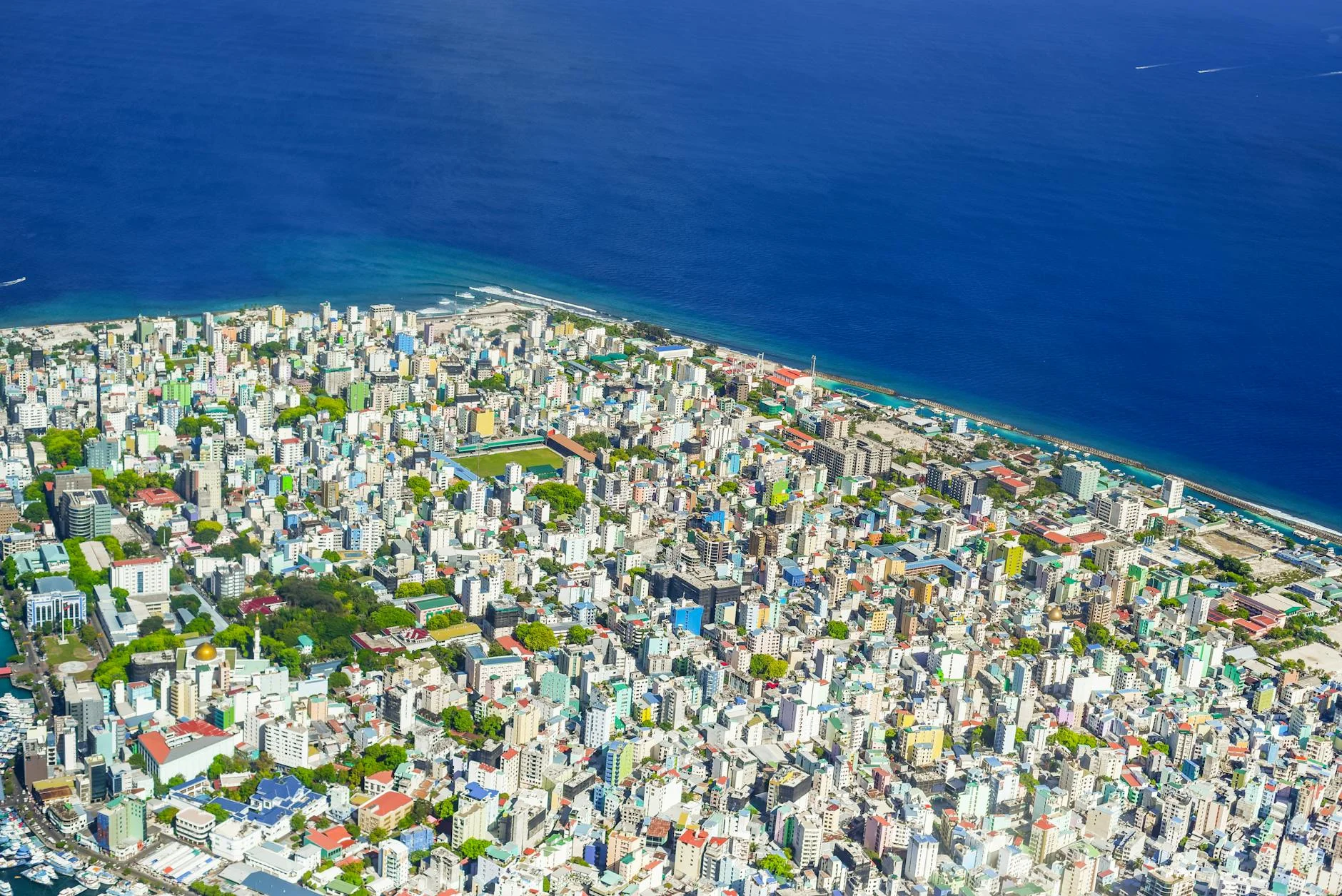
Stock photo · For reference only · Not taken by our journalists
Male, Maldives — Police raided the offices of Adhadhu Online on the night of April 28, 2026, seizing journalists' computers and imposing travel bans on two editors, hours after President Mohamed Muizzu demanded criminal charges against those who published allegations of an extramarital affair. The raid marks the first time Maldivian authorities have deployed the Islamic criminal statute "qazf" (false accusation of adultery) against a news outlet—a legal manoeuvre that converts a personal scandal into a state prosecution of journalism itself.
Dispatch
MALE, MALDIVES — April 28, 2026
Adhadhu Online, an opposition-aligned news outlet, published a documentary titled Aisha on March 28, 2026, featuring an anonymised interview with a woman claiming a sexual relationship with President Muizzu, who is 47, married, and a father of three. The woman identified herself as a 22-year-old single mother who said the affair occurred after she joined the President's Office as an administrator. The documentary appeared four days before a constitutional referendum on April 4 in which 69 percent of voters rejected Muizzu's proposal to align presidential and parliamentary election cycles—a rebuke critics said would have weakened parliamentary checks on executive power [1].
The government's response was swift and severe:
Police in the Maldives have raided the offices of a critical news outlet and barred its editors from leaving the country after it published a documentary alleging an affair between President Mohamed Muizzu and a former aide. The government on Tuesday defended the operation against Adhadhu Online as a lawful response to what Muizzu has described as baseless lies. [1]
📷 Image via Al Jazeera · Reproduced for editorial reference under fair use
Adhadhu CEO Hussain Fiyaz Moosa, who was banned from leaving the country, described the operation as politically orchestrated:
This is being done by the police, with the influence of the government, on the government's order, to directly stop our work, Fiyaz told Al Jazeera. [1]
The search warrant cited "qazf"—the Islamic criminal offence of falsely accusing someone of adultery or unlawful sexual intercourse. This statute carries a prison sentence of one year and seven months, plus 80 lashes [1]. The legal manoeuvre is unprecedented: no Maldivian news outlet has previously been prosecuted under religious criminal law for publishing journalism.
Minister of Homeland Security Ali Ihusaan defended the raid on social media:
Police were 「right to investigate and raid the news outlet over false [adultery] allegations against the President, Ihusaan said in a post on X. Press freedom is guaranteed, but not a free pass to destroy reputations with lies.[1]
The raid occurred four weeks after publication, with no police questions posed to the newsroom in that interval. Yet police then issued a separate criminal warrant imposing travel bans on CEO Fiyaz Moosa and Editor Hassan Mohamed, citing an intelligence report alleging they were planning to flee the country—a claim Fiyaz dismissed as baseless, noting he had returned from overseas travel before the raid [1].
A different institutional perspective emerged from international press freedom bodies. The Committee to Protect Journalists (CPJ) issued a statement the same day:
The raid on Adhadhu and subsequent travel bans are an attempt to criminalise investigative journalism under the guise of religious and national interests. Using religious laws to bypass civil media regulations sets a chilling precedent, said Kunal Majumder, CPJ's Asia-Pacific Program Coordinator. [1]
The Maldives Journalists Association added:
The government is crossing a clear red line. We demand an immediate end to the intimidation of journalists and the suppression of press freedom.[1]
What's Really Happening
Confirmed: The Maldives government passed a controversial media law in September 2025 that established a media commission stacked with government loyalists, empowered to fine, suspend, and shut down outlets [1]. The raid on Adhadhu represents the first criminal enforcement action under a separate Islamic statute—a legal escalation beyond administrative regulation.
Confirmed: The documentary was released four days before a constitutional referendum in which voters rejected Muizzu's centralisation proposal by a 69-point margin [1]. The timing suggests the scandal publication exposed political vulnerability, and the government's response targeted the outlet rather than addressing the underlying allegations.
Structural mechanism: By prosecuting journalism under "qazf" rather than civil media law, the government bypassed the administrative media commission and deployed criminal law—a tactic that raises the stakes for editors from fines to imprisonment and corporal punishment. This creates a chilling effect on investigative reporting that civil regulation alone cannot achieve.
Named actor: Muizzu personally called on authorities to press charges within hours of the documentary's publication, directly triggering the police operation [1]. This is not independent law enforcement; it is prosecutorial direction from the executive.
What other outlets are missing: Most coverage frames this as a "press freedom" story. The deeper story is legal innovation in authoritarianism—the strategic deployment of religious criminal statutes to prosecute secular journalism. This technique allows governments to claim fidelity to Islamic law while eliminating political opposition. It is replicable across Muslim-majority democracies with dormant religious criminal codes.
Stock photo · For illustration only
The Real Stakes
The raid on Adhadhu signals a shift from administrative suppression to criminal prosecution of journalism. Under the September 2025 media law, the government could fine or suspend the outlet. Criminal charges under "qazf" create personal liability for editors—imprisonment and physical punishment—making journalism materially dangerous. This converts press suppression from bureaucratic friction into criminal jeopardy.
The political context matters: Muizzu won the presidency in 2023 on an anti-corruption platform and a promise to distance the Maldives from China [2, implied from context]. Yet his government has systematically weakened checks on executive power—first through the media law, then through the removal of two Supreme Court judges from parliament in March 2026 (noted in the Al Jazeera recommended stories), and now through the weaponisation of criminal law against opposition media. The April 4 referendum defeat suggests public resistance to this consolidation. The raid is retaliation.
Confirmed: The raid occurred weeks before editors were summoned to police for questioning, suggesting the operation was investigative seizure rather than evidence collection for an existing case [1]. This procedural inversion—detention first, investigation second—is characteristic of political prosecution, not criminal due process.
One scenario: If the government secures convictions under "qazf," other outlets will self-censor investigative reporting on government figures. The Maldivian Democratic Party, to which Adhadhu is aligned, will lose a key communications asset. International pressure from press freedom organisations will intensify but will not reverse domestic legal proceedings. The Maldives will join a small cohort of democracies (Hungary, Turkey, Thailand) that use criminal law to prosecute journalism while maintaining formal democratic institutions.
Geopolitical Dimension
The Maldives occupies strategic real estate in the Indian Ocean, sitting astride major shipping lanes and serving as a tourism hub for both Western and Asian tourists. India has long viewed the Maldives as within its sphere of influence; China has invested heavily in infrastructure and maintains close ties to Maldivian leadership. A government that consolidates executive power and suppresses domestic opposition becomes easier for foreign powers to negotiate with—and potentially more vulnerable to capture.
Muizzu came to office promising to reduce Chinese influence, but his government's centralisation of power mirrors patterns seen in Beijing-aligned regimes. The raid on Adhadhu, an opposition-aligned outlet, weakens the domestic political competition that might otherwise scrutinise foreign agreements or sovereignty concerns. This benefits any external power seeking stable, predictable governance partners—whether India, China, or others seeking to avoid messy democratic contestation over Indian Ocean strategy.
No major power has yet commented on the raid. Watch for statements from India (which has historically championed democratic governance in South Asia) and from the US State Department (which tracks press freedom as an indicator of democratic health in strategic regions).
Stock photo · For illustration only
Impact Radar
Economic Impact: 3/10 — The raid has no direct economic consequence. Tourism and financial services remain unaffected. However, if international pressure leads to sanctions or restrictions on Maldivian institutions, economic impact could rise sharply.
Geopolitical Impact: 6/10 — The raid signals executive consolidation in a strategically located state. India and the US will monitor whether democratic backsliding continues, potentially affecting their regional partnerships and naval presence in the Indian Ocean [implied from geopolitical context].
Technology Impact: 1/10 — No technology policy or innovation is implicated in this story.
Social Impact: 7/10 — The raid demonstrates to Maldivian journalists, activists, and opposition figures that investigative reporting on government figures carries criminal jeopardy, not merely administrative risk. Self-censorship will increase.
Policy Impact: 8/10 — The raid establishes a precedent for prosecuting journalism under religious criminal law, a technique available to any government with dormant "qazf" statutes. If successful, it will be replicated.
Watch For
1. Court proceedings against Adhadhu staff. If charges proceed to trial in the Maldivian criminal courts, watch for the judicial handling of "qazf" charges against journalists. If courts convict, the precedent is locked in; if they acquit or dismiss, the government's prosecutorial strategy has failed. The trial date should be announced within weeks [no public timeline has been established].
2. International response from democratic governments. The US State Department, the UK Foreign Office, and the Indian Ministry of External Affairs typically issue statements on press freedom cases within 2–4 weeks. If they remain silent, it signals low priority; if they impose targeted sanctions on Maldivian officials, it signals serious concern. Watch for statements by late May 2026.
3. Adhadhu's operational status. If the outlet resumes publishing investigative journalism, it signals defiance and continued viability; if it shifts to soft reporting or closes, it signals successful suppression. The outlet's publishing schedule over the next 30 days is the clearest indicator of whether the raid achieved its intended chilling effect.
Bottom Line
The Maldives government has crossed from administrative suppression of journalism (fines, suspensions) into criminal prosecution under Islamic law—a technique that makes journalism personally dangerous for editors and replicable across other democracies with dormant religious criminal codes. The raid on Adhadhu is not an isolated incident; it is a test case for a new model of authoritarian control that maintains democratic facades while using criminal law to eliminate political opposition. If successful, expect replication.
---
AI Translation (Deutsch) — For reference only. English version is authoritative.
Malediven nutzen Religionsgesetz zur Verfolgung von Journalisten über Präsidentenaffäre
Die Muizzu-Regierung hat das islamische Ehebruchgesetz als Waffe gegen investigative Journalisten eingesetzt und überschreitet damit die Grenze zwischen demokratischem Konflikt und autoritärer Kontrolle.
Malé, Malediven — Die Polizei überfiel in der Nacht des 28. April 2026 die Büros von Adhadhu Online, beschlagnahmte die Computer von Journalisten und verhängte Ausreiseverbote gegen zwei Redakteure, nur Stunden nachdem Präsident Mohamed Muizzu strafrechtliche Anklagen gegen diejenigen gefordert hatte, die Vorwürfe einer außerehelichen Affäre veröffentlicht hatten. Der Überfall markiert das erste Mal, dass maledivische Behörden die islamische Strafbestimmung „qazf" (falsche Anschuldigung des Ehebruchs) gegen ein Nachrichtenmedium eingesetzt haben – ein juristisches Manöver, das einen persönlichen Skandal in eine staatliche Verfolgung des Journalismus selbst umwandelt.
Bericht
MALÉ, MALEDIVEN – 28. April 2026
Adhadhu Online, ein oppositionsnahes Nachrichtenmedium, veröffentlichte am 28. März 2026 eine Dokumentation mit dem Titel „Aisha", die ein anonymisiertes Interview mit einer Frau enthielt, die behauptete, eine sexuelle Beziehung mit Präsident Muizzu zu haben, der 47 Jahre alt, verheiratet und Vater von drei Kindern ist. Die Frau identifizierte sich als 22-jährige alleinerziehende Mutter, die sagte, die Affäre habe begonnen, nachdem sie als Administratorin im Präsidentenamt anfing. Die Dokumentation erschien vier Tage vor einem Verfassungsreferendum am 4. April, bei dem 69 Prozent der Wähler Muizzus Vorschlag zur Angleichung der Wahlzyklen für Präsident und Parlament ablehnten – eine Niederlage, die Kritiker sagten, hätte die parlamentarischen Kontrollen der Exekutive geschwächt [1].
Die Reaktion der Regierung war schnell und heftig:
Die Polizei auf den Malediven überfiel die Büros eines kritischen Nachrichtenmediums und verbot seinen Redakteuren, das Land zu verlassen, nachdem dieses eine Dokumentation veröffentlicht hatte, die eine Affäre zwischen Präsident Mohamed Muizzu und einer früheren Mitarbeiterin behauptete. Die Regierung verteidigte die Operation gegen Adhadhu Online am Dienstag als rechtmäßige Reaktion auf das, was Muizzu als „grundlose Lügen" beschrieben hat. [1]
Adhadhu-Chef Hussain Fiyaz Moosa, dem ein Ausreiseverbot auferlegt wurde, beschrieb die Operation als politisch inszeniert:
„Dies wird von der Polizei mit Einfluss der Regierung, auf Befehl der Regierung durchgeführt, um unsere Arbeit direkt zu stoppen", sagte Fiyaz gegenüber Al Jazeera. [1]
Der Durchsuchungsbefehl berief sich auf „qazf" – das islamische Strafdelikt der falschen Anschuldigung von Ehebruch oder außerehelichem Geschlechtsverkehr. Diese Bestimmung sieht eine Freiheitsstrafe von einem Jahr und sieben Monaten plus 80 Peitschenhiebe vor [1]. Das juristische Manöver ist beispiellos: Kein maledivisches Nachrichtenmedium wurde zuvor nach Religionsstrafrecht für Journalismus verfolgt.
Minister für Innere Sicherheit Ali Ihusaan verteidigte den Überfall in den sozialen Medien:
„Die Polizei hatte Recht, das Nachrichtenmedium wegen falscher [Ehebruch-]Vorwürfe gegen den Präsidenten zu untersuchen und zu überfallen", sagte Ihusaan in einem Beitrag auf X. „Pressefreiheit ist garantiert, aber nicht als Freifahrtschein, um Ruf mit Lügen zu zerstören." [1]
Der Überfall erfolgte vier Wochen nach der Veröffentlichung, ohne dass die Polizei in diesem Zeitraum Fragen an die Redaktion gestellt hätte. Doch dann stellte die Polizei einen separaten Haftbefehl aus, der Ausreiseverbote gegen Chef Fiyaz Moosa und Redakteur Hassan Mohamed verhängte und sich dabei auf einen Nachrichtenbericht berief, wonach diese angeblich planten zu fliehen – ein Vorwurf, den Fiyaz als unbegründet zurückwies und darauf hinwies, dass er vor dem Überfall aus dem Ausland zurückgekehrt war [1].
Eine andere institutionelle Perspektive kam von internationalen Pressefreiheitsorganisationen. Das Committee to Protect Journalists (CPJ) gab am selben Tag eine Erklärung ab:
„Der Überfall auf Adhadhu und die nachfolgenden Ausreiseverbote sind ein Versuch, investigativen Journalismus unter dem Deckmantel religiöser und nationaler Interessen zu kriminalisieren. Die Verwendung von Religionsgesetzen zur Umgehung ziviler Medienvorschriften schafft einen abschreckenden Präzedenzfall", sagte Kunal Majumder, Koordinator des Asien-Pazifik-Programms des CPJ. [1]
Die Maledivische Journalistenvereinigung ergänzte:
„Die Regierung überschreitet eine klare rote Linie. Wir fordern ein sofortiges Ende der Einschüchterung von Journalisten und der Unterdrückung der Pressefreiheit." [1]
Was wirklich passiert
Bestätigt: Die Regierung der Malediven verabschiedete im September 2025 ein umstrittenes Mediengesetz, das eine Medienkommission mit regierungstreuen Mitgliedern schuf und diese befähigte, Medien mit Geldstrafen zu belegen, auszusetzen und zu schließen [1]. Der Überfall auf Adhadhu stellt die erste strafrechtliche Durchsetzungsmaßnahme nach einer separaten islamischen Bestimmung dar – eine juristische Eskalation über administrative Regulierung hinaus.
Bestätigt: Die Dokumentation wurde vier Tage vor einem Verfassungsreferendum veröffentlicht, bei dem Wähler Muizzus Zentralisierungsvorschlag mit 69 Prozent ablehnten [1]. Der Zeitpunkt deutet darauf hin, dass die Skandalveröffentlichung politische Anfälligkeit aufdeckte, und die Reaktion der Regierung zielte auf das Medium ab, anstatt die zugrunde liegenden Vorwürfe zu adressieren.
Strukturmechanismus: Durch die Verfolgung des Journalismus nach „qazf" anstelle von Zivilmedienrecht umging die Regierung die administrative Medienkommission und setzte Strafrecht ein – eine Taktik, die die Einsätze für Redakteure von Geldstrafen zu Freiheitsstrafe und körperlicher Bestrafung erhöht. Dies schafft einen abschreckenden Effekt auf investigative Berichterstattung, den zivile Regulierung allein nicht erreichen kann.
Benannter Akteur: Muizzu forderte persönlich die Behörden innerhalb weniger Stunden nach der Veröffentlichung der Dokumentation auf, Anklage zu erheben, was direkt die Polizeioperation auslöste [1]. Dies ist keine unabhängige Strafverfolgung; es ist staatsanwaltschaftliche Anweisung von der Exekutive.
Was andere Medien vermissen: Die meisten Berichterstattungen rahmen dies als „Pressefreiheits"-Geschichte. Die tiefere Geschichte ist juristische Innovation im Autoritarismus – der strategische Einsatz religiöser Strafbestimmungen zur Verfolgung säkularer Journalisten. Diese Technik ermöglicht es Regierungen, Treue zum islamischen Gesetz zu behaupten, während sie politische Opposition eliminieren. Sie ist über muslimisch geprägte Demokratien mit ruhenden religiösen Strafkodizes hinweg replizierbar.
Die echten Einsätze
Der Überfall auf Adhadhu signalisiert einen Wechsel von administrativer Unterdrückung zur strafrechtlichen Verfolgung des Journalismus. Nach dem Mediengesetz vom September 2025 könnte die Regierung das Medium mit Geldstrafen belegen oder aussetzen. Strafrechtliche Anklagen nach „qazf" schaffen persönliche Haftung für Redakteure – Freiheitsstrafe und körperliche Bestrafung – und machen Journalismus materiell gefährlich. Dies wandelt Presseunterdrückung von bürokratischer Reibung in strafrechtliche Gefährdung um.
Der politische Kontext ist wichtig: Muizzu gewann die Präsidentschaft 2023 auf einer Korruptionsbekämpfungsplattform und dem Versprechen, die Malediven von China zu distanzieren [2, aus Kontext impliziert]. Doch seine Regierung hat systematisch Kontrollen auf die Exekutive geschwächt – zunächst durch das Mediengesetz, dann durch die Entfernung von zwei Obersten Gerichtshofrichtern aus dem Parlament im März 2026 (in empfohlenen Al-Jazeera-Geschichten vermerkt), und nun durch die Bewaffnung des Strafrechts gegen oppositionelle Medien. Die Niederlage beim Referendum vom 4. April deutet auf öffentlichen Widerstand gegen diese Konsolidierung hin. Der Überfall ist Vergeltung.
Bestätigt: Der Überfall erfolgte Wochen, bevor Redakteure zur Polizei zur Vernehmung geladen wurden, was darauf deutet, dass die Operation Beschlagnahme zur Untersuchung war, nicht Beweissicherung für einen bestehenden Fall [1]. Diese verfahrensrechtliche Umkehrung – Festnahme zuerst, Untersuchung zweite – ist charakteristisch für politische Verfolgung, nicht strafrechtliche ordentliche Verfahren.
Ein Szenario: Wenn die Regierung Verurteilungen nach „qazf" erreicht, werden andere Medien investigative Berichterstattung über Regierungsfiguren selbst zensieren. Die Maledivische Demokratische Partei, der Adhadhu nahestehen soll, wird ein wichtiges Kommunikationsmittel verlieren. Internationaler Druck von Pressefreiheitsorganisationen wird sich intensivieren, wird aber inländische Gerichtsverfahren nicht rückgängig machen. Die Malediven werden sich einer kleinen Gruppe von Demokratien (Ungarn, Türkei, Thailand) anschließen, die Strafrecht zur Verfolgung von Journalismus nutzen, während sie formale demokratische Institutionen bewahren.
Geopolitische Dimension
Die Malediven nehmen strategisch wichtige Position im Indischen Ozean ein, liegen auf großen Schifffahrtsrouten und dienen als Tourismusanlaufpunkt für westliche und asiatische Touristen. Indien hat lange die Malediven als in seiner Einflusssphäre liegend betrachtet; China hat stark in Infrastruktur investiert und pflegt enge Beziehungen zur maledivischen Führung. Eine Regierung, die Exekutivmacht konsolidiert und inländische Opposition unterdrückt, wird leichter für auswärtige Mächte zu verhandeln – und möglicherweise anfälliger für Übernahme.
Muizzu kam mit dem Versprechen ins Amt, chinesischen Einfluss zu reduzieren, doch die Zentralisierungspolitik seiner Regierung spiegelt in Peking ausgerichteten Regimen ähnliche Muster wider. Der Überfall auf Adhadhu, ein oppositionsnahes Medium, schwächt den inländischen politischen Wettbewerb, der sonst Auslandsabkommen oder Souveränitätsbedenken überprüfen könnte. Dies kommt jeder auswärtigen Macht zugute, die stabile, vorhersehbare Regierungspartner sucht – ob Indien, China oder andere, die unordentliche demokratische Auseinandersetzung über Indischer-Ozean-Strategie vermeiden wollen.
Keine Großmacht hat sich bisher zum Überfall geäußert. Achten Sie auf Stellungnahmen von Indien (das historisch demokratische Regierungsführung in Südasien verfochten hat) und vom US-Außenministerium (das Pressefreiheit als Indikator für demokratische Gesundheit in strategischen Regionen verfolgt).
Auswirkungsradar
Wirtschaftliche Auswirkungen: 3/10 — Der Überfall hat keine direkten wirtschaftlichen Folgen. Tourismus und Finanzdienstleistungen bleiben unberührt. Wenn internationaler Druck jedoch zu Sanktionen oder Beschränkungen maledivischer Institutionen führt, könnten wirtschaftliche Auswirkungen stark ansteigen.
Geopolitische Auswirkungen: 6/10 — Der Überfall signalisiert Exekutivkonsolidierung in einem strategisch gelegenen Staat. Indien und die USA werden überwachen, ob demokratischer Rückgang fortbesteht, was möglicherweise ihre regionalen Partnerschaften und Marinepräsenz im Indischen Ozean beeinträchtigt [aus geopolitischem Kontext impliziert].
Technologische Auswirkungen: 1/10 — Keine Technologiepolitik oder Innovation ist in dieser Geschichte verwickelt.
Soziale Auswirkungen: 7/10 — Der Überfall demonstriert maledivischen Journalisten, Aktivisten und Oppositionsfiguren, dass investigative Berichterstattung über Regierungsfiguren strafrechtliche Gefährdung birgt, nicht bloß administratives Risiko. Selbstzensur wird zunehmen.
Politische Auswirkungen: 8/10 — Der Überfall schafft einen Präzedenzfall für die Verfolgung von Journalismus nach Religionsstrafrecht, eine Technik, die jeder Regierung mit ruhenden „qazf"-Bestimmungen verfügbar ist. Wenn erfolgreich, wird sie repliziert.
Achten Sie auf
1. Gerichtsverfahren gegen Adhadhu-Mitarbeiter. Wenn Anklagen vor Gericht in den maledivischen Strafgerichten verhandelt werden, achten Sie auf die richterliche Behandlung von „qazf"-Anklagen gegen Journalisten. Wenn Gerichte verurteilen, ist der Präzedenzfall festgelegt; wenn sie freisprechen oder ablehnen, ist die Verfolgungsstrategie der Regierung gescheitert. Das Verhandlungsdatum sollte innerhalb weniger Wochen bekannt gegeben werden [kein öffentlicher Zeitplan wurde festgelegt].
2. Internationale Reaktion von demokratischen Regierungen. Das US-Außenministerium, das britische Außenministerium und das indische Außenministerium geben typischerweise innerhalb von 2–4 Wochen Stellungnahmen zu Pressefreiheitsfällen ab. Wenn sie schweigen, signalisiert das niedrige Priorität; wenn sie gezielte Sanktionen gegen maledivische Beamte verhängen, signalisiert das ernsthafte Besorgnis. Achten Sie auf Stellungnahmen bis Ende Mai 2026.
3. Betriebsstatus von Adhadhu. Wenn das Medium die Veröffentlichung investigativen Journalismus wieder aufnimmt, signalisiert das Trotz und fortlaufende Lebensfähigkeit; wenn es zu weicher Berichterstattung übergeht oder schließt, signalisiert das erfolgreiche Unterdrückung. Der Veröffentlichungsplan des Mediums in den nächsten 30 Tagen ist der klarste Indikator dafür, ob der Überfall seinen beabsichtigten abschreckenden Effekt erreicht hat.
Fazit
Die Regierung der Malediven hat sich von administrativer Medienunterdrückung (Geldstrafen, Aussetzungen) zur strafrechtlichen Verfolgung nach islamischem Gesetz bewegt – eine Technik, die Journalismus für Redakteure persönlich gefährlich macht und über andere Demokratien mit ruhenden religiösen Strafkodizes hinweg replizierbar ist. Der Überfall auf Adhadhu ist kein isoliertes Ereignis; er ist ein Testfall für ein neues Modell autoritärer Kontrolle, das demokratische Fassaden bewahrt, während es Strafrecht zur Beseitigung politischer Opposition nutzt. Wenn erfolgreich, erwarten Sie Replikation.
---
Referenzen
[1] Al Jazeera — „Maldives police raid news outlet over report alleging president's affair" (28. April 2026). URL: https://www.aljazeera.com/news/2026/4/28/maldives-police-raid-news-outlet-over-report-alleging-presidents-affair?traffic_source=rss
AI Translation (Español) — For reference only. English version is authoritative.
Maldivas Usa la Ley Religiosa para Procesar a la Prensa por Supuesta Aventura del Presidente
El gobierno de Muizzu ha convertido en arma la ley islámica de adulterio para procesar penalmente el periodismo de investigación, cruzando el umbral que separa la fricción democrática del control autoritario.
Malé, Maldivas — La policía allanó las oficinas de Adhadhu Online la noche del 28 de abril de 2026, incautando computadoras de periodistas e imponiendo prohibiciones de viaje a dos editores, horas después de que el Presidente Mohamed Muizzu exigiera cargos penales contra quienes publicaron alegaciones de una aventura extramarital. El allanamiento marca la primera vez que las autoridades de Maldivas han desplegado el estatuto criminal islámico "qazf" (acusación falsa de adulterio) contra un medio de comunicación—una maniobra legal que convierte un escándalo personal en una persecución estatal del periodismo mismo.
Despacho
MALÉ, MALDIVAS — 28 de abril de 2026
Adhadhu Online, un medio de comunicación alineado con la oposición, publicó un documental titulado Aisha el 28 de marzo de 2026, presentando una entrevista anonimizada con una mujer que afirmaba tener una relación sexual con el Presidente Muizzu, quien tiene 47 años, está casado y es padre de tres hijos. La mujer se identificó como una madre soltera de 22 años que dijo que la aventura ocurrió después de que se unió a la Oficina Presidencial como administradora. El documental apareció cuatro días antes de un referéndum constitucional el 4 de abril en el que el 69 por ciento de los votantes rechazó la propuesta de Muizzu de alinear los ciclos electorales presidenciales y parlamentarios—un rechazo que los críticos dijeron habría debilitado los controles parlamentarios sobre el poder ejecutivo [1].
La respuesta del gobierno fue rápida y severa:
La policía en Maldivas allanó las oficinas de un medio de comunicación crítico y prohibió que sus editores salieran del país después de que publicara un documental que alegaba una aventura entre el Presidente Mohamed Muizzu y una antigua asesora. El gobierno el martes defendió la operación contra Adhadhu Online como una respuesta legal a lo que Muizzu ha descrito como mentiras infundadas. [1]
Hussain Fiyaz Moosa, CEO de Adhadhu, quien fue prohibido de salir del país, describió la operación como orquestada políticamente:
Esto está siendo hecho por la policía, con la influencia del gobierno, por orden del gobierno, para detener directamente nuestro trabajo, dijo Fiyaz a Al Jazeera. [1]
La orden de allanamiento citaba "qazf"—el delito criminal islámico de acusar falsamente a alguien de adulterio o relaciones sexuales ilícitas. Este estatuto conlleva una pena de prisión de uno año y siete meses, más 80 latigazos [1]. La maniobra legal es sin precedentes: ningún medio de comunicación de Maldivas ha sido previamente procesado bajo la ley criminal religiosa por publicar periodismo.
El Ministro de Seguridad Nacional Ali Ihusaan defendió el allanamiento en redes sociales:
La policía fue 「correcta al investigar y allanar el medio de comunicación por alegaciones falsas de [adulterio] contra el Presidente, dijo Ihusaan en un post en X. La libertad de prensa está garantizada, pero no es un permiso gratuito para destruir reputaciones con mentiras.[1]
El allanamiento ocurrió cuatro semanas después de la publicación, sin preguntas policiales formuladas a la redacción en ese intervalo. Sin embargo, la policía luego emitió una orden criminal separada imponiendo prohibiciones de viaje al CEO Fiyaz Moosa y al Editor Hassan Mohamed, citando un informe de inteligencia que alegaba que estaban planeando huir del país—una afirmación que Fiyaz rechazó como infundada, señalando que había regresado de viajes al extranjero antes del allanamiento [1].
Una perspectiva institucional diferente surgió de organismos internacionales de libertad de prensa. El Comité para la Protección de Periodistas (CPJ) emitió una declaración el mismo día:
El allanamiento de Adhadhu y las posteriores prohibiciones de viaje son un intento de criminalizar el periodismo de investigación bajo la apariencia de intereses religiosos y nacionales. Usar leyes religiosas para eludir las regulaciones civiles de medios establece un precedente aterrador, dijo Kunal Majumder, Coordinador del Programa Asia-Pacífico del CPJ. [1]
La Asociación de Periodistas de Maldivas agregó:
El gobierno está cruzando una línea roja clara. Exigimos un fin inmediato a la intimidación de periodistas y la supresión de la libertad de prensa.[1]
Qué Está Realmente Sucediendo
Confirmado: El gobierno de Maldivas aprobó una ley de medios controvertida en septiembre de 2025 que estableció una comisión de medios repleta de leales del gobierno, facultada para multar, suspender y cerrar medios de comunicación [1]. El allanamiento de Adhadhu representa la primera acción de aplicación penal bajo un estatuto islámico separado—una escalada legal más allá de la regulación administrativa.
Confirmado: El documental fue lanzado cuatro días antes de un referéndum constitucional en el que los votantes rechazaron la propuesta de centralización de Muizzu por un margen de 69 puntos [1]. El tiempo sugiere que la publicación del escándalo expuso vulnerabilidad política, y la respuesta del gobierno se dirigió al medio de comunicación en lugar de abordar las alegaciones subyacentes.
Mecanismo estructural: Al procesar el periodismo bajo "qazf" en lugar de la ley civil de medios, el gobierno eludió la comisión administrativa de medios e implementó la ley penal—una táctica que aumenta las apuestas para los editores de multas a encarcelamiento y castigo corporal. Esto crea un efecto paralizante en el reportaje de investigación que la regulación civil por sí sola no puede lograr.
Actor nombrado: Muizzu personalmente pidió a las autoridades que presentaran cargos dentro de horas de la publicación del documental [1]. Esto no es aplicación de la ley independiente; es dirección procesal del ejecutivo.
Lo que otros medios están perdiendo: La mayoría de la cobertura enmarca esto como una historia de libertad de prensa. La historia más profunda es innovación legal en autoritarismo—el despliegue estratégico de estatutos criminales religiosos para procesar periodismo secular. Esta técnica permite a los gobiernos afirmar fidelidad a la ley islámica mientras eliminan la oposición política. Es replicable en democracias de mayoría musulmana con códigos criminales religiosos inactivos.
Los Verdaderos Riesgos
El allanamiento de Adhadhu señala un cambio de la supresión administrativa a la persecución penal del periodismo. Bajo la ley de medios de septiembre de 2025, el gobierno podría multar o suspender el medio de comunicación. Los cargos penales bajo "qazf" crean responsabilidad personal para los editores—encarcelamiento y castigo físico—haciendo que el periodismo sea materialmente peligroso. Esto convierte la supresión de prensa de fricción burocrática en riesgo penal.
El contexto político importa: Muizzu ganó la presidencia en 2023 en una plataforma anticorrupción y una promesa de distanciar a Maldivas de China [2, implícito del contexto]. Sin embargo, su gobierno ha debilitado sistemáticamente los controles sobre el poder ejecutivo—primero a través de la ley de medios, luego a través de la remoción de dos jueces de la Corte Suprema del parlamento en marzo de 2026 (señalado en las historias recomendadas de Al Jazeera), y ahora a través de la militarización de la ley penal contra los medios de la oposición. La derrota del referéndum del 4 de abril sugiere resistencia pública a esta consolidación. El allanamiento es represalia.
Confirmado: El allanamiento ocurrió semanas antes de que los editores fueran citados a la policía para interrogatorio, sugiriendo que la operación fue incautación investigativa en lugar de recolección de pruebas para un caso existente [1]. Esta inversión procesal—detención primero, investigación segunda—es característica de persecución política, no de debido proceso penal.
Un escenario: Si el gobierno asegura condenas bajo "qazf," otros medios se autocensuraran el reportaje de investigación sobre figuras gubernamentales. El Partido Democrático de Maldivas, al cual Adhadhu está alineado, perderá un activo de comunicación clave. La presión internacional de organizaciones de libertad de prensa se intensificará pero no revertirá los procedimientos legales domésticos. Maldivas se unirá a una pequeña cohorte de democracias (Hungría, Turquía, Tailandia) que usan la ley penal para procesar periodismo mientras mantienen instituciones democráticas formales.
Dimensión Geopolítica
Maldivas ocupa bienes raíces estratégicos en el Océano Índico, situado sobre rutas de envío importantes y sirviendo como centro de turismo para turistas occidentales y asiáticos. India ha visto tradicionalmente a Maldivas como dentro de su esfera de influencia; China ha invertido fuertemente en infraestructura y mantiene vínculos cercanos con el liderazgo de Maldivas. Un gobierno que consolida el poder ejecutivo y suprime la oposición doméstica se vuelve más fácil para que potencias extranjeras negocien—y potencialmente más vulnerable a la captura.
Muizzu llegó a la oficina prometiendo reducir la influencia china, pero la centralización de poder de su gobierno refleja patrones vistos en regímenes alineados con Beijing. El allanamiento de Adhadhu, un medio alineado con la oposición, debilita la competencia política doméstica que de otro modo podría escudriñar acuerdos extranjeros o preocupaciones de soberanía. Esto beneficia a cualquier poder externo que busque socios de gobernanza estable y predecible—ya sea India, China, u otros que busquen evitar la contestación democrática desordenada sobre la estrategia del Océano Índico.
Ninguna potencia importante ha comentado aún sobre el allanamiento. Observe declaraciones de India (que históricamente ha defendido la gobernanza democrática en Asia del Sur) y del Departamento de Estado de EE.UU. (que rastrea la libertad de prensa como un indicador de salud democrática en regiones estratégicas).
Radar de Impacto
Impacto Económico: 3/10 — El allanamiento no tiene consecuencia económica directa. El turismo y los servicios financieros permanecen sin afectar. Sin embargo, si la presión internacional conduce a sanciones o restricciones en instituciones de Maldivas, el impacto económico podría aumentar considerablemente.
Impacto Geopolítico: 6/10 — El allanamiento señala consolidación ejecutiva en un estado ubicado estratégicamente. India y EE.UU. monitorizarán si el retroceso democrático continúa, potencialmente afectando sus asociaciones regionales y presencia naval en el Océano Índico [implícito del contexto geopolítico].
Impacto Tecnológico: 1/10 — Ninguna política de tecnología o innovación está implicada en esta historia.
Impacto Social: 7/10 — El allanamiento demuestra a periodistas, activistas y figuras de la oposición de Maldivas que el reportaje de investigación sobre figuras gubernamentales conlleva riesgo penal, no meramente administrativo. La autocensura aumentará.
Impacto de Política: 8/10 — El allanamiento establece un precedente para procesar periodismo bajo la ley penal religiosa, una técnica disponible para cualquier gobierno con estatutos "qazf" inactivos. Si tiene éxito, será replicado.
Observe
1. Procedimientos judiciales contra el personal de Adhadhu. Si los cargos proceden a juicio en los tribunales penales de Maldivas, observe el manejo judicial de cargos "qazf" contra periodistas. Si los tribunales condenan, el precedente está bloqueado; si absuelven o desestiman, la estrategia procesal del gobierno ha fracasado. La fecha del juicio debería anunciarse dentro de semanas [no se ha establecido un cronograma público].
2. Respuesta internacional de gobiernos democráticos. El Departamento de Estado de EE.UU., la Oficina de Asuntos Exteriores del Reino Unido, y el Ministerio de Asuntos Exteriores de India típicamente emiten declaraciones sobre casos de libertad de prensa dentro de 2–4 semanas. Si permanecen en silencio, señala baja prioridad; si imponen sanciones dirigidas contra funcionarios de Maldivas, señala preocupación seria. Observe declaraciones a finales de mayo de 2026.
3. Estado operacional de Adhadhu. Si el medio reanuda la publicación de periodismo de investigación, señala desafío y viabilidad continua; si se desplaza a reportaje suave o cierra, señala supresión exitosa. El cronograma de publicación del medio durante los próximos 30 días es el indicador más claro de si el allanamiento logró su efecto paralizante previsto.
Conclusión
El gobierno de Maldivas ha cruzado de la supresión administrativa del periodismo (multas, suspensiones) a la persecución penal bajo la ley islámica—una técnica que hace el periodismo personalmente peligroso para editores y replicable en otras democracias con códigos criminales religiosos inactivos. El allanamiento de Adhadhu no es un incidente aislado; es un caso de prueba para un nuevo modelo de control autoritario que mantiene fachadas democráticas mientras usa la ley penal para eliminar la oposición política. Si tiene éxito, espere replicación.
---
Referencias
[1] Al Jazeera — "Maldives police raid news outlet over report alleging president's affair" (28 de abril de 2026). URL: https://www.aljazeera.com/news/2026/4/28/maldives-police-raid-news-outlet-over-report-alleging-presidents-affair?traffic_source=rss
AI Translation (Français) — For reference only. English version is authoritative.
Les Maldives utilisent la loi religieuse pour poursuivre la presse sur l'affaire présidentielle
Le gouvernement Muizzu a transformé la loi islamique sur l'adultère en arme pour poursuivre pénalement le journalisme d'investigation, franchissant le seuil qui sépare les frictions démocratiques du contrôle autoritaire.
Malé, Maldives — La police a perquisitionné les bureaux d'Adhadhu Online dans la nuit du 28 avril 2026, saisissant les ordinateurs des journalistes et imposant des interdictions de voyage à deux rédacteurs en chef, quelques heures après que le Président Mohamed Muizzu ait exigé des poursuites pénales contre ceux qui ont publié des allégations d'infidélité. La perquisition marque la première fois que les autorités maldivennes déploient le statut pénal islamique « qazf » (fausse accusation d'adultère) contre un média — une manœuvre juridique qui transforme un scandale personnel en poursuites d'État contre le journalisme lui-même.
Dépêche
MALÉ, MALDIVES — 28 avril 2026
Adhadhu Online, un média aligné sur l'opposition, a publié un documentaire intitulé Aisha le 28 mars 2026, présentant une interview anonymisée d'une femme affirmant avoir eu une relation sexuelle avec le Président Muizzu, âgé de 47 ans, marié et père de trois enfants. La femme s'est identifiée comme une mère célibataire de 22 ans qui a déclaré que l'affaire s'était produite après son entrée au Bureau du Président en tant qu'administratrice. Le documentaire est apparu quatre jours avant un référendum constitutionnel du 4 avril au cours duquel 69 pour cent des électeurs ont rejeté la proposition de Muizzu d'aligner les cycles électoraux présidentiels et parlementaires — un revers que les critiques ont dit aurait affaibli les contrôles parlementaires du pouvoir exécutif [1].
La réaction du gouvernement a été rapide et sévère :
La police des Maldives a perquisitionné les bureaux d'un média critique et a interdit à ses rédacteurs en chef de quitter le pays après la publication d'un documentaire alléguant une affaire entre le Président Mohamed Muizzu et une ancienne aide. Le gouvernement a défendu mardi l'opération contre Adhadhu Online comme une réponse légale à ce que Muizzu a décrit comme des mensonges sans fondement. [1]
Hussain Fiyaz Moosa, directeur général d'Adhadhu, qui s'est vu interdire de quitter le pays, a décrit l'opération comme politiquement orchestrée :
Cela est fait par la police, sous l'influence du gouvernement, sur ordre du gouvernement, pour arrêter directement notre travail, a déclaré Fiyaz à Al Jazeera. [1]
Le mandat de perquisition citait le « qazf » — l'infraction pénale islamique de fausse accusation d'adultère ou de relations sexuelles illégales. Ce statut entraîne une peine d'emprisonnement d'un an et sept mois, plus 80 coups de fouet [1]. La manœuvre juridique est sans précédent : aucun média maldivien n'a auparavant été poursuivi en vertu de la loi pénale religieuse pour avoir publié du journalisme.
Le ministre de la Sécurité intérieure Ali Ihusaan a défendu la perquisition sur les réseaux sociaux :
La police avait raison d'enquêter et de perquisitionner le média sur les fausses allégations [d'adultère] contre le Président, a déclaré Ihusaan dans un message sur X. La liberté de la presse est garantie, mais pas un laissez-passer pour détruire les réputations avec des mensonges.[1]
La perquisition s'est déroulée quatre semaines après la publication, sans que la police pose de questions au rédaction pendant cet intervalle. Pourtant, la police a ensuite émis un mandat pénal distinct imposant des interdictions de voyage au directeur général Fiyaz Moosa et à l'éditeur Hassan Mohamed, citant un rapport du renseignement alléguant qu'ils prévoyaient de fuir le pays — une affirmation que Fiyaz a rejetée comme sans fondement, notant qu'il était revenu d'un voyage à l'étranger avant la perquisition [1].
Une perspective institutionnelle différente a émergé des organismes internationaux de liberté de la presse. Le Comité pour la protection des journalistes (CPJ) a publié une déclaration le même jour :
La perquisition d'Adhadhu et les interdictions de voyage qui en ont découlé sont une tentative de criminaliser le journalisme d'investigation sous le couvert d'intérêts religieux et nationaux. L'utilisation de lois religieuses pour contourner les régulations civiles des médias établit un précédent glaçant, a déclaré Kunal Majumder, coordinateur du programme Asie-Pacifique du CPJ. [1]
L'Association des journalistes des Maldives a ajouté :
Le gouvernement franchit une ligne rouge claire. Nous exigeons la fin immédiate de l'intimidation des journalistes et de la suppression de la liberté de la presse.[1]
Ce qui se passe réellement
Confirmé : Le gouvernement des Maldives a adopté une loi médias controversée en septembre 2025 qui a établi une commission médias remplie de loyalistes gouvernementaux, habilitée à infliger des amendes, suspendre et fermer des médias [1]. La perquisition d'Adhadhu représente la première action d'application pénale en vertu d'un statut islamique distinct — une escalade juridique au-delà de la régulation administrative.
Confirmé : Le documentaire a été publié quatre jours avant un référendum constitutionnel au cours duquel les électeurs ont rejeté la proposition de centralisation de Muizzu par une marge de 69 points [1]. Le timing suggère que la publication du scandale a exposé une vulnérabilité politique, et la réaction du gouvernement a ciblé le média plutôt que de traiter les allégations sous-jacentes.
Mécanisme structurel : En poursuivant le journalisme en vertu du « qazf » plutôt que de la loi civile sur les médias, le gouvernement a contourné la commission médias administrative et déployé la loi pénale — une tactique qui élève les enjeux pour les rédacteurs en chef, passant des amendes à l'emprisonnement et aux châtiments corporels. Cela crée un effet dissuasif sur les reportages d'investigation que la régulation civile seule ne peut pas réaliser.
Acteur nommé : Muizzu lui-même a appelé les autorités à porter plainte quelques heures après la publication du documentaire, déclenchant directement l'opération policière [1]. Ce n'est pas une application indépendante de la loi ; c'est une direction poursuivante de l'exécutif.
Ce que d'autres médias manquent : La plupart des couvertures encadrent ceci comme une histoire de « liberté de la presse ». L'histoire plus profonde est l'innovation juridique dans l'autoritarisme — le déploiement stratégique de statuts pénaux religieux pour poursuivre le journalisme laïc. Cette technique permet aux gouvernements de prétendre fidélité à la loi islamique tout en éliminant l'opposition politique. Elle est réplicable dans les démocraties à majorité musulmane disposant de codes pénaux religieux dormants.
Les véritables enjeux
La perquisition d'Adhadhu signale un passage de la suppression administrative à la poursuite pénale du journalisme. En vertu de la loi médias de septembre 2025, le gouvernement pouvait infliger des amendes ou suspendre le média. Les accusations pénales en vertu du « qazf » créent une responsabilité personnelle pour les rédacteurs en chef — emprisonnement et châtiment physique — rendant le journalisme matériellement dangereux. Cela transforme la suppression de la presse d'une friction bureaucratique en jeopardie pénale.
Le contexte politique importe : Muizzu a remporté la présidence en 2023 sur une plateforme anticorruption et une promesse de distancer les Maldives de la Chine [2, implicite du contexte]. Pourtant, son gouvernement a systématiquement affaibli les contrôles du pouvoir exécutif — d'abord par la loi médias, puis par l'élimination de deux juges de la Cour suprême du parlement en mars 2026 (noté dans les histoires recommandées d'Al Jazeera), et maintenant par la transformation en arme de la loi pénale contre les médias d'opposition. La défaite du référendum du 4 avril suggère une résistance publique à cette consolidation. La perquisition est une représaille.
Confirmé : La perquisition s'est déroulée des semaines avant que les rédacteurs en chef ne soient convoqués à la police pour interrogatoire, suggérant que l'opération était une saisie d'enquête plutôt qu'une collecte de preuves pour une affaire existante [1]. Cette inversion procédurale — détention d'abord, enquête ensuite — est caractéristique de la poursuite politique, non de la procédure pénale régulière.
Un scénario : Si le gouvernement obtient des condamnations en vertu du « qazf », d'autres médias s'autocensureront sur les reportages d'investigation concernant les personnalités gouvernementales. Le Parti démocratique maldivien, auquel Adhadhu est aligné, perdra un atout de communication clé. La pression internationale des organisations de liberté de la presse s'intensifiera mais ne reviendra pas les procédures judiciaires nationales. Les Maldives rejoindront une petite cohorte de démocraties (Hongrie, Turquie, Thaïlande) qui utilisent la loi pénale pour poursuivre le journalisme tout en maintenant des institutions démocratiques formelles.
Dimension géopolitique
Les Maldives occupent un territoire stratégique dans l'océan Indien, s'étendant sur les principales routes de navigation et servant de centre touristique pour les touristes occidentaux et asiatiques. L'Inde a longtemps considéré les Maldives comme relevant de sa sphère d'influence ; la Chine a beaucoup investi dans les infrastructures et entretient des liens étroits avec la direction maldivienne. Un gouvernement qui consolide le pouvoir exécutif et supprime l'opposition intérieure devient plus facile à négocier pour les puissances étrangères — et potentiellement plus vulnérable à la capture.
Muizzu a pris ses fonctions en promettant de réduire l'influence chinoise, mais la centralisation du pouvoir de son gouvernement reflète les modèles observés dans les régimes alignés sur Pékin. La perquisition d'Adhadhu, un média aligné sur l'opposition, affaiblit la concurrence politique intérieure qui pourrait autrement examiner les accords étrangers ou les préoccupations de souveraineté. Cela profite à toute puissance externe cherchant des partenaires gouvernementaux stables et prévisibles — qu'il s'agisse de l'Inde, de la Chine ou d'autres cherchant à éviter les contestations démocratiques désordonnées sur la stratégie de l'océan Indien.
Aucune grande puissance n'a encore commenté la perquisition. Attendez-vous à des déclarations de l'Inde (qui a historiquement défendu la gouvernance démocratique en Asie du Sud) et du Département d'État américain (qui suit la liberté de la presse comme indicateur de la santé démocratique dans les régions stratégiques).
Radar d'impact
Impact économique : 3/10 — La perquisition n'a aucune conséquence économique directe. Le tourisme et les services financiers restent inaffectés. Cependant, si la pression internationale conduit à des sanctions ou des restrictions sur les institutions maldiviennnes, l'impact économique pourrait augmenter considérablement.
Impact géopolitique : 6/10 — La perquisition signale la consolidation exécutive dans un État stratégiquement situé. L'Inde et les États-Unis surveilleront si le recul démocratique se poursuit, affectant potentiellement leurs partenariats régionaux et leur présence navale dans l'océan Indien [implicite du contexte géopolitique].
Impact technologique : 1/10 — Aucune politique technologique ou innovation n'est impliquée dans cette histoire.
Impact social : 7/10 — La perquisition démontre aux journalistes maldiviens, aux militants et aux personnalités d'opposition que les reportages d'investigation sur les personnalités gouvernementales entraînent une jeopardie pénale, non simplement un risque administratif. L'autocensure augmentera.
Impact politique : 8/10 — La perquisition établit un précédent pour poursuivre le journalisme en vertu de la loi pénale religieuse, une technique disponible pour tout gouvernement disposant de statuts « qazf » dormants. Si réussie, elle sera répliquée.
À surveiller
1. Procédures judiciaires contre le personnel d'Adhadhu. Si les accusations procèdent à un procès devant les tribunaux pénaux maldiviens, surveillez le traitement judiciaire des accusations de « qazf » contre les journalistes. Si les tribunaux condamnent, le précédent est verrouillé ; s'ils acquittent ou rejettent, la stratégie poursuivante du gouvernement a échoué. La date du procès devrait être annoncée dans les semaines [aucun calendrier public n'a été établi].
2. Réponse internationale des gouvernements démocratiques. Le Département d'État américain, le Foreign Office britannique et le ministère des Affaires extérieures indien émettent généralement des déclarations sur les cas de liberté de la presse dans les 2 à 4 semaines. S'ils restent silencieux, cela signale une faible priorité ; s'ils imposent des sanctions ciblées contre les responsables maldiviens, cela signale une préoccupation sérieuse. Attendez-vous à des déclarations d'ici fin mai 2026.
3. Statut opérationnel d'Adhadhu. Si le média reprend la publication du journalisme d'investigation, cela signale la défiance et la viabilité continue ; s'il bascule vers des reportages doux ou ferme, cela signale une suppression réussie. Le calendrier de publication du média au cours des 30 prochains jours est l'indicateur le plus clair du fait que la perquisition a réalisé son effet dissuasif prévu.
Résumé
Le gouvernement des Maldives est passé de la suppression administrative du journalisme (amendes, suspensions) à la poursuite pénale en vertu de la loi islamique — une technique qui rend le journalisme personnellement dangereux pour les rédacteurs en chef et réplicable dans d'autres démocraties disposant de codes pénaux religieux dormants. La perquisition d'Adhadhu n'est pas un incident isolé ; c'est un cas test pour un nouveau modèle de contrôle autoritaire qui maintient les façades démocratiques tout en utilisant la loi pénale pour éliminer l'opposition politique. Si réussie, attendez-vous à une réplication.
---
Références
[1] Al Jazeera — « La police des Maldives perquisitionne un média sur un rapport alléguant l'affaire du président » (28 avril 2026). URL : https://www.aljazeera.com/news/2026/4/28/maldives-police-raid-news-outlet-over-report-alleging-presidents-affair?traffic_source=rss
AI Translation (日本語) — For reference only. English version is authoritative.
AI Translation (Русский) — For reference only. English version is authoritative.
Мальдивы используют религиозное право для преследования прессы по делу об интрижке президента
Правительство Муизzu превратило исламский закон об прелюбодеянии в инструмент уголовного преследования журналистского расследования, пересекая границу между демократическими противоречиями и авторитарным контролем.
Мале, Мальдивы — В ночь с 28 апреля 2026 года полиция провела рейд в офисах Adhadhu Online, изъяв компьютеры журналистов и наложив запрет на выезд двух редакторов, через несколько часов после того, как президент Мохамед Муизzu потребовал уголовного преследования лиц, опубликовавших обвинения в супружеской неверности. Этот рейд стал первым случаем, когда мальдивские власти применили исламский уголовный статут «казф» (ложное обвинение в прелюбодеянии) против новостного издания — юридический манёвр, который превращает личный скандал в государственное преследование самой журналистики.
Сводка
МАЛЕ, МАЛЬДИВЫ — 28 апреля 2026 года
Adhadhu Online, новостное издание, ориентированное на оппозицию, опубликовало документальный фильм под названием «Аиша» 28 марта 2026 года, содержащий анонимное интервью с женщиной, утверждающей о сексуальных отношениях с президентом Муизzu, которому 47 лет, он женат и отец троих детей. Женщина представилась 22-летней матерью-одиночкой, которая заявила, что интрига началась после того, как она присоединилась к Офису президента в качестве администратора. Документальный фильм появился за четыре дня до конституционного референдума 4 апреля, на котором 69 процентов избирателей отклонили предложение Муизzu согласовать циклы президентских и парламентских выборов — отказ, который критики назвали попыткой ослабить парламентский контроль над исполнительной властью [1].
Ответ правительства был быстрым и суровым:
Полиция Мальдив провела рейд в офисах критического новостного издания и запретила его редакторам покидать страну после публикации документального фильма, в котором говорится об интрижке между президентом Мохамедом Муизzu и бывшей помощницей. Правительство во вторник защитило операцию против Adhadhu Online как законный ответ на то, что Муизzu назвал «безосновательной ложью». [1]
Генеральный директор Adhadhu Хусейн Фияз Муса, которому был запрещен выезд из страны, описал операцию как политически организованную:
«Это делает полиция, под влиянием правительства, по приказу правительства, чтобы напрямую остановить нашу работу», — сказал Фияз каналу Al Jazeera. [1]
Ордер на обыск ссылался на «казф» — исламское уголовное преступление, заключающееся в ложном обвинении кого-либо в прелюбодеянии или незаконных половых отношениях. Этот статут предусматривает тюремное заключение на один год и семь месяцев плюс 80 ударов плетью [1]. Этот юридический манёвр беспрецедентен: ни одно мальдивское новостное издание ранее не преследовалось по религиозному уголовному закону за опубликованную журналистику.
Министр внутренней безопасности Али Ихусан защищал рейд в социальных сетях:
«Полиция была права, проводя расследование и рейд в новостном издании в связи с ложными обвинениями в прелюбодеянии против президента», — сказал Ихусан в посте на X. «Свобода прессы гарантирована, но это не дает права разрушать репутации ложью». [1]
Рейд произошел через четыре недели после публикации, без каких-либо вопросов полиции редакции за этот период. Однако затем полиция выдала отдельный уголовный ордер, наложив запрет на выезд генерального директора Фияза Мусы и редактора Хасана Мохамеда, ссылаясь на разведывательный доклад, в котором утверждалось, что они планировали бежать из страны — претензию, которую Фияз назвал безосновательной, отметив, что он вернулся из-за границы до рейда [1].
Другую институциональную точку зрения высказали международные организации, защищающие свободу прессы. Комитет по защите журналистов (CPJ) выпустил заявление в тот же день:
«Рейд на Adhadhu и последующие запреты на выезд — это попытка криминализировать журналистское расследование под предлогом религиозных и национальных интересов. Использование религиозных законов для обхода гражданского медийного регулирования создает пугающий прецедент», — сказал Кунал Маджумдер, координатор программы CPJ в Азиатско-Тихоокеанском регионе. [1]
Ассоциация журналистов Мальдив добавила:
«Правительство переходит четкую красную линию. Мы требуем немедленного прекращения запугивания журналистов и подавления свободы прессы». [1]
Что на самом деле происходит
Подтверждено: Правительство Мальдив приняло спорный закон о СМИ в сентябре 2025 года, который учредил комиссию по СМИ, укомплектованную правительственными сторонниками, наделенную полномочиями штрафовать, приостанавливать и закрывать издания [1]. Рейд на Adhadhu представляет первое уголовное преследование в соответствии с отдельным исламским статутом — юридическую эскалацию за пределы административного регулирования.
Подтверждено: Документальный фильм был выпущен за четыре дня до конституционного референдума, на котором избиратели отклонили предложение Муизzu о централизации с перевесом в 69 пунктов [1]. Время предполагает, что публикация скандала обнажила политическую уязвимость, и ответ правительства был направлен против издания, а не на рассмотрение основных обвинений.
Структурный механизм: Преследуя журналистику по «казф» вместо гражданского медийного закона, правительство обошло административную комиссию по СМИ и применило уголовное право — тактика, которая повышает ставки для редакторов с штрафов до тюремного заключения и телесных наказаний. Это создает сдерживающий эффект на журналистское расследование, который само гражданское регулирование не может достичь.
Названный субъект: Муизzu лично потребовал от властей возбудить уголовное дело в течение нескольких часов после публикации документального фильма, напрямую спровоцировав полицейскую операцию [1]. Это не независимое правоохранение; это прокурорское указание от исполнительной власти.
Что упускают другие издания: Большинство публикаций рассматривают это как историю о «свободе прессы». Более глубокая история — это юридическое инновирование авторитаризма — стратегическое применение религиозных уголовных статутов для преследования светской журналистики. Этот метод позволяет правительствам претендовать на верность исламскому праву, одновременно устраняя политическую оппозицию. Это воспроизводимо во всех мусульманско-большинственных демократиях с неиспользуемыми религиозными уголовными кодексами.
Реальные ставки
Рейд на Adhadhu сигнализирует о переходе от административного подавления к уголовному преследованию журналистики. В соответствии с законом о СМИ сентября 2025 года правительство могло штрафовать или приостанавливать издание. Уголовные обвинения по «казф» создают личную ответственность редакторов — тюремное заключение и физическое наказание — делая журналистику материально опасной. Это превращает подавление прессы из бюрократического трения в уголовную опасность.
Политический контекст имеет значение: Муизzu выиграл президентские выборы в 2023 году на платформе борьбы с коррупцией и обещании дистанцировать Мальдивы от Китая [2, подразумевается из контекста]. Однако его правительство систематически ослабляло сдержки на исполнительную власть — сначала через закон о СМИ, затем через удаление двух судей Верховного суда из парламента в марте 2026 года (отмечено в рекомендуемых историях Al Jazeera), и теперь через оружие уголовного права против оппозиционных СМИ. Поражение на референдуме 4 апреля предполагает общественное сопротивление этой консолидации. Рейд — это возмездие.
Подтверждено: Рейд произошел за недели до того, как редакторы были вызваны в полицию на допрос, что предполагает, что операция была изъятием доказательств, а не сбором доказательств для существующего дела [1]. Эта процедурная инверсия — задержание первым, расследование вторым — характерна для политического преследования, а не для уголовного надлежащего процесса.
Один сценарий: если правительство добьется осуждения по «казф», другие издания будут заниматься самоцензурой журналистского расследования государственных деятелей. Мальдивская демократическая партия, с которой связана Adhadhu, потеряет ключевой коммуникационный актив. Международное давление организаций, защищающих свободу прессы, будет интенсифицироваться, но не будет обращать вспять внутреннее судебное разбирательство. Мальдивы присоединятся к небольшой группе демократий (Венгрия, Турция, Таиланд), которые используют уголовное право для преследования журналистики при сохранении формальных демократических институтов.
Геополитическое измерение
Мальдивы занимают стратегическое положение в Индийском океане, расположены на пути крупных морских путей и служат туристическим центром для западных и азиатских туристов. Индия давно рассматривает Мальдивы как находящиеся в сфере своего влияния; Китай активно инвестировал в инфраструктуру и поддерживает тесные связи с руководством Мальдив. Правительство, которое консолидирует исполнительную власть и подавляет внутреннюю оппозицию, становится более удобным партнером для переговоров иностранными державами — и потенциально более уязвимым для захвата.
Муизzu пришел к власти с обещанием снизить китайское влияние, но консолидация власти его правительством зеркально отражает модели, наблюдаемые в ориентированных на Пекин режимах. Рейд на Adhadhu, издание, ориентированное на оппозицию, ослабляет внутреннюю политическую конкуренцию, которая в противном случае могла бы проверять иностранные соглашения или проблемы суверенитета. Это выгодно любой внешней державе, стремящейся к стабильным, предсказуемым партнерам в управлении — будь то Индия, Китай или другие, стремящиеся избежать беспорядочной демократической борьбы за стратегию в Индийском океане.
Ни одна великая держава пока не прокомментировала рейд. Следите за заявлениями Индии (которая исторически отстаивала демократическое управление в Южной Азии) и Государственного департамента США (который отслеживает свободу прессы как показатель демократического здоровья в стратегических регионах).
Радар влияния
Экономическое влияние: 3/10 — Рейд не имеет прямых экономических последствий. Туризм и финансовые услуги остаются без изменений. Однако, если международное давление приведет к санкциям или ограничениям мальдивских учреждений, экономическое влияние может значительно возрасти.
Геополитическое влияние: 6/10 — Рейд сигнализирует о консолидации исполнительной власти в стратегически расположенном государстве. Индия и США будут контролировать, будет ли продолжаться демократическое отступление, что может повлиять на их региональные партнерства и военно-морское присутствие в Индийском океане [подразумевается из геополитического контекста].
Технологическое влияние: 1/10 — Ни одна технологическая политика или инновация не задействована в этой истории.
Социальное влияние: 7/10 — Рейд демонстрирует мальдивским журналистам, активистам и деятелям оппозиции, что журналистское расследование государственных деятелей несет уголовную опасность, а не просто административный риск. Самоцензура возрастет.
Влияние на политику: 8/10 — Рейд устанавливает прецедент для преследования журналистики по религиозному уголовному закону, метод, доступный любому правительству с неиспользуемыми статутами «казф». Если это будет успешным, это будет воспроизведено.
За чем следить
1. Судебное разбирательство против сотрудников Adhadhu. Если обвинения будут рассмотрены в судах Мальдив, следите за судебной обработкой обвинений по «казф» против журналистов. Если суды осудят, прецедент зафиксирован; если они оправдают или отклонят, прокурорская стратегия правительства потерпела неудачу. Дата судебного разбирательства должна быть объявлена в течение нескольких недель [общественная шкала времени не установлена].
2. Международный ответ демократических правительств. Государственный департамент США, Министерство иностранных дел Великобритании и Министерство внешних связей Индии обычно выпускают заявления по делам о свободе прессы в течение 2-4 недель. Если они молчат, это сигнализирует о низком приоритете; если они вводят целевые санкции против мальдивских должностных лиц, это сигнализирует о серьезной озабоченности. Следите за заявлениями к концу мая 2026 года.
3. Оперативный статус Adhadhu. Если издание возобновит публикацию журналистского расследования, это сигнализирует о неповиновении и продолжающейся жизнеспособности; если оно перейдет к мягким репортажам или закроется, это сигнализирует об успешном подавлении. График публикаций издания в течение следующих 30 дней — это наиболее четкий показатель того, достигла ли рейд предполагаемый сдерживающий эффект.
Суть
Правительство Мальдив перешло от административного подавления журналистики (штрафы, приостановления) к уголовному преследованию по исламскому праву — метод, который делает журналистику личной опасностью для редакторов и воспроизводимым во всех других демократиях с неиспользуемыми религиозными уголовными кодексами. Рейд на Adhadhu — это не изолированный инцидент; это пробный случай для новой модели авторитарного контроля, которая сохраняет демократические фасады, одновременно используя уголовное право для устранения политической оппозиции. Если это будет успешным, ожидайте воспроизведения.
---
Источники
[1] Al Jazeera — «Maldives police raid news outlet over report alleging president's affair» (28 апреля 2026). URL: https://www.aljazeera.com/news/2026/4/28/maldives-police-raid-news-outlet-over-report-alleging-presidents-affair?traffic_source=rss
AI Translation (中文) — For reference only. English version is authoritative.