
London-based hardware startup Nothing is reportedly developing AI-powered smart glasses for release in 2027, alongside AI-enabled earbuds due later this year — a strategic expansion that would pit a $1.3 billion unicorn against Meta, Apple, and Google in the most contested hardware category in a decade [1].
Dispatch
[LONDON, 1 APRIL 2026] — TechCrunch's Ivan Mehta reported the plans on 1 April, drawing on a Bloomberg report citing anonymous sources:
CEO and co-founder Carl Pei was initially resistant to the idea of smart glasses, but he has since told employees that he wants to focus on a multi-device strategy, expanding the company's remit beyond its existing smartphone lines and audio gear, Bloomberg said.
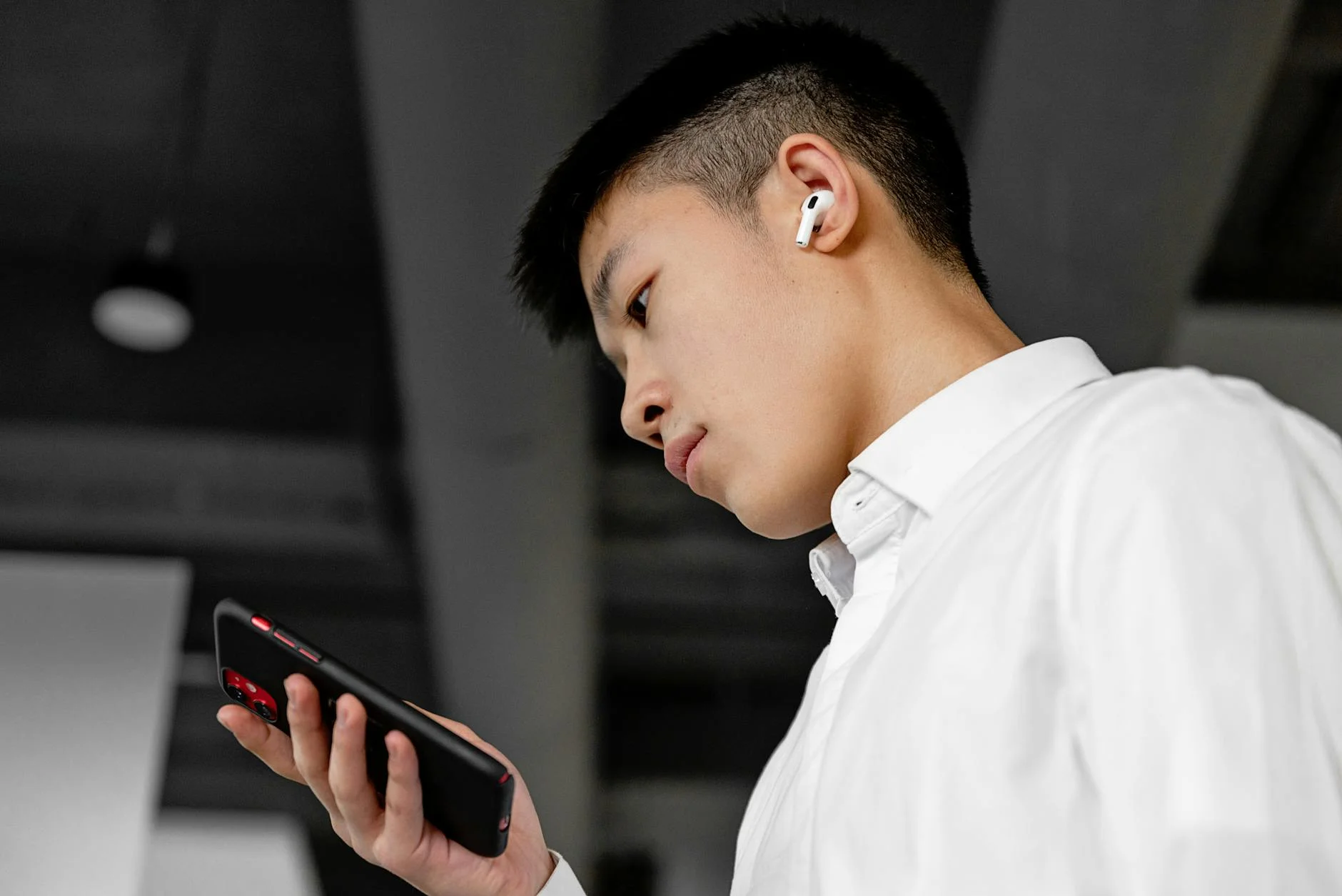
The company is also planning to release a pair of earbuds with AI features this year. Last year, Pei told TechCrunch that it planned to release its first AI device in 2026, though he didn't specify what kind of device it might be.
TechCrunch, 1 April 2026 [1]

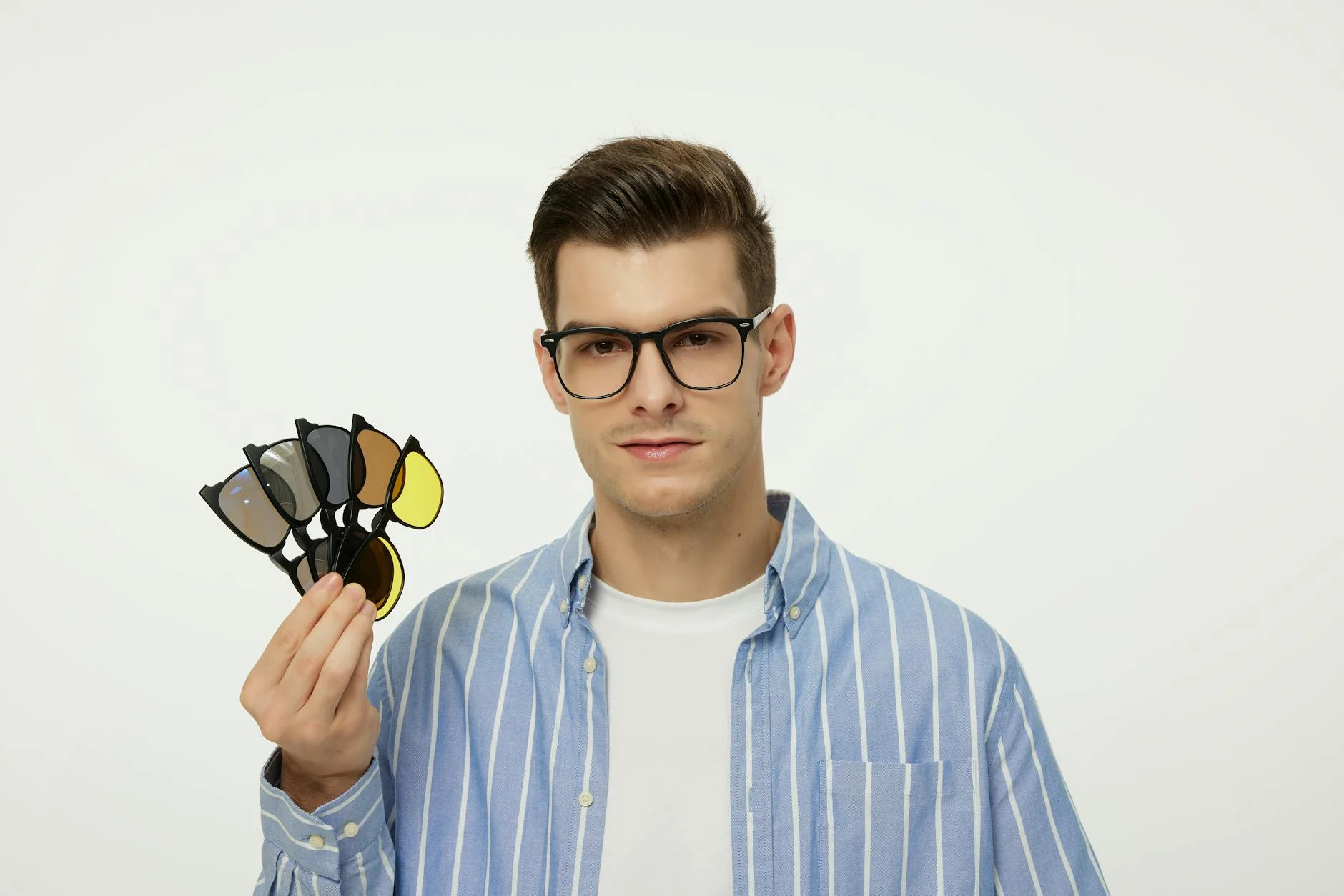
The report specifies that the glasses will likely feature cameras, microphones, and speakers, and will connect to a smartphone and the cloud to process AI queries [1]. Nothing would enter a field already crowded with incumbents: Meta has launched multiple iterations of its Ray-Ban smart glasses, Even Realities and Rokid both make competing products, Apple is rumoured to be preparing its own pair for next year, and Google's collaboration with Samsung is reportedly targeting a launch this year [1].
Gadgets 360 offered a parallel account, framing the announcement as part of Nothing's broader multi-device push — language that suggests Pei views glasses and earbuds not as standalone experiments but as the foundation of a connected product ecosystem [2].
A different reading comes from The Guardian (UK, March 2026), which has been tracking the consumer experience of smart glasses through an extended test of Meta's Ray-Ban collaboration:
Over the next decade, predicts the Meta founder Mark Zuckerberg, smartglasses will gradually become the main way we do computing, fulfilling many of the same functions as smartphones — taking photos, playing music, making calls, giving directions. For people who wear glasses, Zuckerberg has suggested, the upgrade is a no-brainer, bundling more features into an essential accessory.
The most common response to my new frames is: Why? I don't usually wear glasses, and these clear-lens Wayfarers (part of Meta's collaboration with Ray-Ban) are on the heavy side. I look like the nerdy girl in a 90s romcom, or the old guy from Up, but the sunglasses would have made me even more conspicuous if worn indoors. The other question I get asked is: Are you filming me? In general, I find people do not like being around someone wearing Meta glasses, not least because sometimes the answer is: Yes.
The Guardian, March 2026 [3]
The Guardian's correspondent also flagged reports from Swedish journalists who found that Meta moderators review intimate footage captured through the glasses, including footage of users in bathrooms and during sex — raising questions about precisely what kind of cloud processing pipeline Nothing would be building [3].
What's Really Happening
The Real Stakes
Nothing has built its brand on design differentiation — transparent backs, LED glyphs, a studied rejection of smartphone homogeneity. That aesthetic identity attracted a loyal following among tech enthusiasts but, as TechCrunch bluntly notes, it still only accounts for a tiny share of the smartphone market, which has long been dominated by incumbents Apple, Samsung, a few Chinese companies and Google itself [1]. Smart glasses represent either Nothing's breakout moment or its overreach.
The competitive dynamics are brutal. Meta has first-mover advantage with its Ray-Ban partnership, a vertically integrated AI stack (Llama models, on-device and cloud inference), and the financial depth to subsidise hardware for years. Apple, if its rumoured 2027 launch holds, will arrive with the world's most profitable hardware business, an established prescription-lens supply chain, and an AI platform (Apple Intelligence) already embedded across a billion devices. Google and Samsung bring their own respective strengths in AI and manufacturing scale. Against this lineup, Nothing brings a $1.3 billion valuation and approximately 1% of the global smartphone market.
Carl Pei has acknowledged this asymmetry directly. He has said multiple times that Nothing would need to innovate on the hardware and software front, and use AI, to stand out in the market [1]. The company last year launched a tool letting users create mini-apps through AI prompts [1] — an interesting proof of concept, but a long way from the AI inference pipeline required to power always-on smart glasses with real-time visual understanding. The gap between a prompt-to-mini-app tool and a cloud-connected wearable that answers questions about the physical world is enormous. Nothing has not publicly detailed how it plans to bridge it.
Industry Context
The smart glasses market sits at an inflection point driven by three converging forces: miniaturised AI inference chips, large language models capable of processing visual input, and a consumer electronics industry searching for the next growth category after smartphones plateaued.
Meta's trajectory offers the clearest benchmark. The company has iterated through multiple generations of Ray-Ban smart glasses, progressively adding AI capabilities — from basic voice commands to the multimodal assistant (voiced, in one option, by Judi Dench [3]) that can identify objects, read text, and answer contextual questions. Meta sold over 7 million pairs globally in 2025 [3]. Yet The Guardian's month-long test revealed persistent social friction: people visibly recoil from camera-equipped glasses, privacy concerns are mounting, and Swedish journalists uncovered that Meta moderators were reviewing intimate footage captured through the devices [3].
This is the market Nothing proposes to enter. The privacy question is not a side issue — it is the central barrier to mass adoption. Meta can absorb the reputational cost of privacy scandals; it has been absorbing them for over a decade. Nothing, as a relatively young brand trading heavily on consumer goodwill and design credibility, has far less margin for error. A single data-handling controversy could be existential for a company whose entire value proposition rests on being the thoughtful alternative to Big Tech incumbents.
The earbuds play, by contrast, is far lower risk. Nothing already makes well-regarded audio products. Adding AI features — voice assistants, real-time translation, contextual audio — represents an incremental extension of existing capabilities, not a category leap. If Nothing's AI earbuds launch this year as reported [1], they will serve as a useful proving ground for the company's AI integration skills and cloud infrastructure before the higher-stakes glasses debut.
Impact Radar
Watch For
1. Nothing's AI partner announcement. The company must disclose who will provide cloud AI inference for the glasses. If Nothing partners with a major AI lab (Google, OpenAI, Anthropic), that signals dependence; if it attempts to build in-house, watch the burn rate on that $200 million Series C.
2. The AI earbuds launch timeline. TechCrunch reports earbuds with AI features are due this year [1]. Whether Nothing hits that target — and what AI features actually means in practice — will indicate the company's execution capability ahead of the more complex glasses product.
3. Apple's smart glasses timeline. If Apple confirms a 2027 launch [1], Nothing's window to establish itself narrows dramatically. A simultaneous market entry against Apple would be commercially suicidal; Nothing needs to arrive first and build a user base before Cupertino enters.
Bottom Line
Nothing's smart glasses gambit is a rational strategic move for a company that cannot win on smartphone volume alone — but rationality and execution are different things. Carl Pei is betting that a $1.3 billion startup can design, manufacture, and cloud-connect a wearable AI product that Meta has spent billions iterating on, while Apple and Google prepare their own entries. The earbuds will tell us whether Nothing can ship AI hardware on schedule; the glasses will tell us whether the company survives the next three years.
---
Adrian Cole | Global Affairs & Markets
My Awesome News Analysis — my-awesome-news-analysis.uk
@my_awesome_news