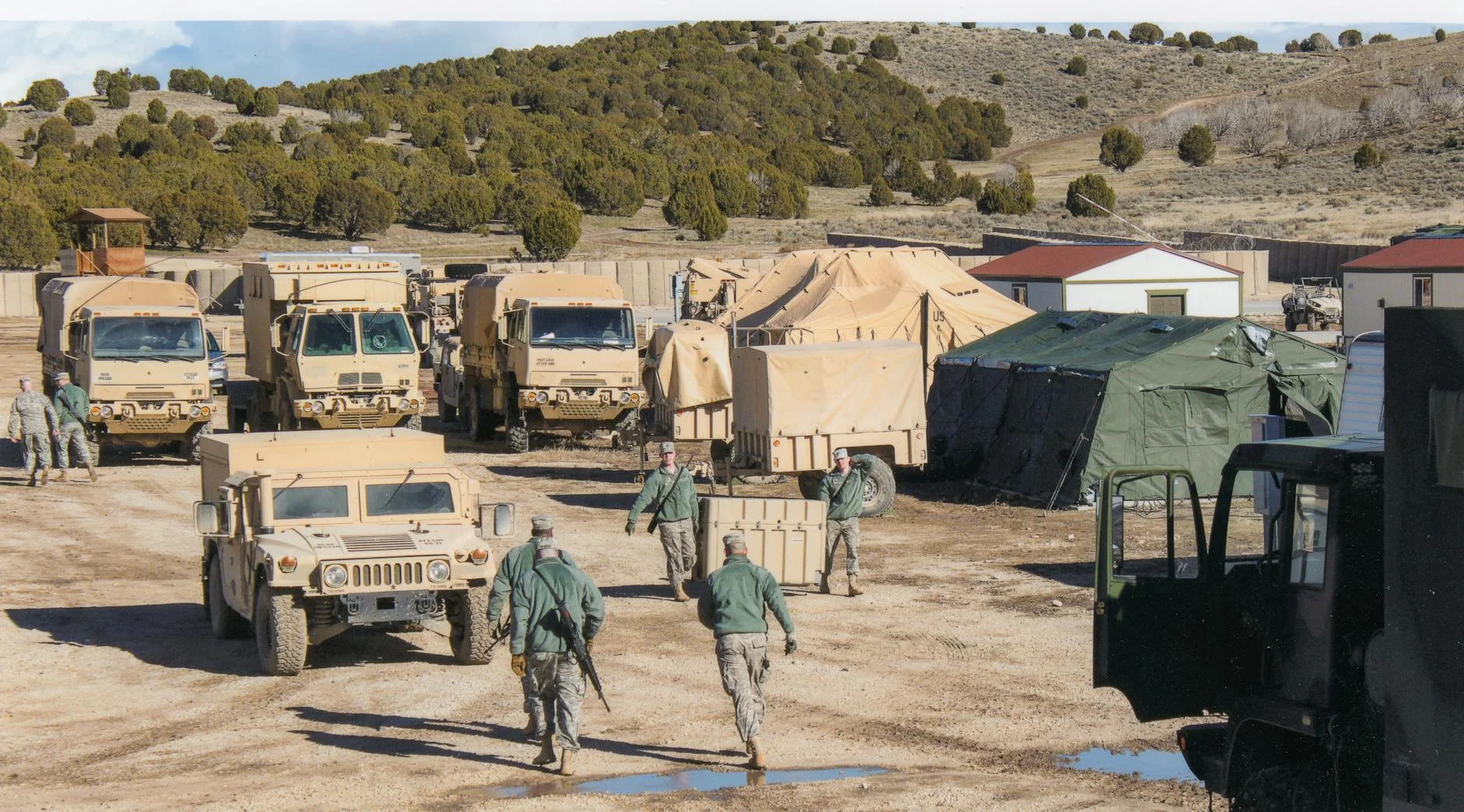
The United States has announced the deployment of an Army Rapid Deployment Force to the region as tensions with Iran intensify. Iran's parliamentary speaker Mohammad Ghalibaf responded with defiant rhetoric, declaring his country can counter any American ground deployment. Meanwhile, Pakistan—positioned as the sole diplomatic intermediary—expressed hope that US-Iran talks would convene shortly.
Dispatch
TEHRAN/WASHINGTON, 30 March 2026 — The escalation came into sharp relief on 30 March when NHK World reported the following sequence:
イラン情勢をめぐり、アメリカが陸軍の即応展開部隊を派遣すると明らかにするなか、イランは議会のガリバフ議長が『どんなアメリカ軍の地上部隊にも対応できる』と述べるなど、徹底抗戦する構えを改めて示しました。[1]
NHK World, 30 March 2026
Translation: "As America announced the deployment of an Army Rapid Deployment Force regarding the Iran situation, Iran demonstrated its posture of total resistance, with Parliamentary Speaker Ghalibaf stating that 『it can respond to any American ground forces.』"[1]
The same source noted a competing signal from Islamabad:
一方、仲介役を担うパキスタンの外相は、アメリカとイランによる協議が近く開催されることに期待を示しました。[1]
NHK World, 30 March 2026
Translation: "Meanwhile, Pakistan's Foreign Minister, acting as mediator, expressed hope that consultations between America and Iran would be held soon."[1]
No major alternative news outlet has yet published a full-length report with a contrasting analytical frame on these specific 30 March developments. The NHK World dispatch remains the primary available source. This analysis therefore relies on that single source, supplemented by structural context from prior reporting on the crisis trajectory.
---
What's Really Happening
---
The Real Stakes
For the United States, the Rapid Deployment Force deployment serves three purposes: it reassures Gulf allies that Washington will not allow Iranian escalation to go unchecked; it creates a credible deterrent against Iranian proxy action (particularly via Houthi missiles, which have struck shipping and US bases); and it signals to the Trump administration's domestic critics that military readiness is genuine, not rhetorical. The cost is diplomatic—every soldier deployed makes it harder for negotiators to claim they are serious about a settlement. The US has learned from Iraq and Afghanistan that ground deployments in the Middle East consume resources, generate casualties, and rarely produce clean exits.
For Iran, the calculus is inverted. Ghalibaf's defiance plays well domestically but narrows the window for talks. The IRGC and hardline factions will interpret any compromise as capitulation; the reformist faction, weakened after the 2024 elections, cannot afford to look weak on national security. Iran faces severe economic sanctions, currency collapse, and fuel shortages. A prolonged military standoff drains resources Iran cannot afford to lose. But backing down appears impossible without internal political cost. This is the trap: both sides have military incentives to escalate and political incentives to appear unyielding.
For Pakistan, mediation is a high-stakes opportunity. A successful US-Iran negotiation would position Islamabad as indispensable to regional stability and likely unlock US military aid and investment. Failure leaves Pakistan caught between two hostile powers with no upside. Pakistan's Foreign Minister's public optimism about imminent talks suggests Islamabad believes it has found language both sides can live with—but the NHK report does not specify what that language is.
For the region, every day of military escalation raises the risk of miscalculation. The Strait of Hormuz carries 21% of global oil trade. A single Iranian mine, missile, or proxy attack on a tanker could spike oil prices 20–30% within days, rippling through global supply chains and inflation expectations. European energy markets are already fragile after Ukraine sanctions on Russian gas; a Persian Gulf disruption would force emergency rationing and geopolitical realignment.
---
Geopolitical Dimension
The deployment and rhetoric map onto three overlapping conflicts:
US-Iran bilateral: The core dispute centres on Iran's nuclear programme, regional proxy networks, and sanctions. The US seeks to constrain Iranian influence in Iraq, Syria, and Lebanon. Iran seeks sanctions relief and recognition as a regional power. Military escalation suggests negotiations have stalled—but Pakistan's mediation hint suggests they have not broken entirely.
Gulf Arab positioning: The UAE and Saudi Arabia have both quietly pursued dialogue with Iran over the past two years, seeking to reduce proxy warfare and restore normal trade. A US-Iran military confrontation forces them to choose sides publicly, complicating their own hedging strategy. Neither wants war; both fear being dragged into one.
Pakistan's role: Islamabad is the only actor with diplomatic access to both Washington and Tehran. It shares borders with Iran, hosts Afghan Taliban (which Iran influences), and depends on US military support. Pakistan's willingness to mediate signals that it believes a settlement is achievable—and that both sides have given it permission to try.
---

Impact Radar
---
Watch For
1. Pakistan's next public statement — If the Foreign Minister repeats the "imminent talks" language within the next 7–10 days, it signals genuine backchannel progress. If the statement softens or disappears, mediation has stalled. The specific date to watch: early April 2026, when any serious bilateral meeting would likely be announced.
2. US military deployment timeline — The NHK report confirms the announcement but does not specify deployment speed. If US Central Command announces troops are "in theatre" within 30 days, it signals Washington expects a military outcome. If deployment stretches over 90+ days, it suggests political space for negotiation.
3. Iranian proxy activity — Watch for Houthi missile strikes on shipping or US bases. Any significant attack in the next 2–3 weeks will be read as Iranian rejection of mediation and will trigger US military response. No attacks signal Iranian restraint and willingness to let diplomacy proceed.
---
Bottom Line
The US and Iran are locked in a game of military signalling where both sides are raising stakes to strengthen negotiating positions—but neither has actually closed the diplomatic door. Pakistan's mediation offer is the only credible off-ramp, and the fact that Islamabad is publicly flagging imminent talks suggests both Washington and Tehran have quietly given permission to try. The next 2–3 weeks will determine whether this is genuine diplomacy or theatre preceding a military clash. Watch Pakistan's next statement and Iranian proxy restraint; they are the leading indicators.
---