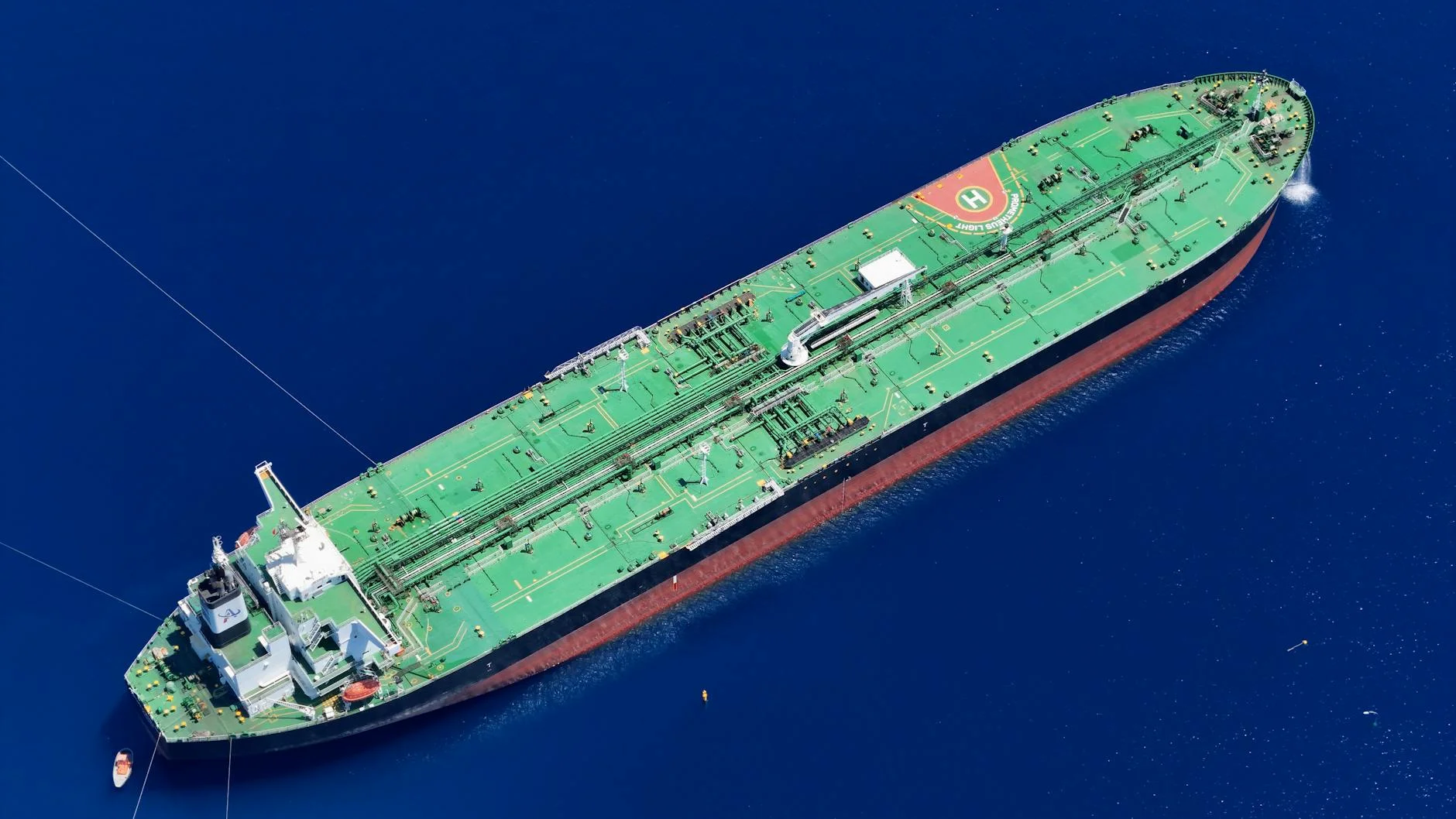
On 27 March 2026, as the US-Israel conflict with Iran approached its one-month mark, traders had begun placing bets on something simpler than oil prices or currency moves: whether Donald Trump would keep his threats. They called it TACO—Trump Always Chickens Out. The game has real consequences, and the house is not guaranteed to win.
Dispatch
LONDON, 27 MARCH 2026 — Al Jazeera reported the emergence of a speculative trading phenomenon tied to Trump's repeated deadline extensions on Iran policy:
The whirlwind of uncertainty in the oil markets has continued this week as the United States-Israel war on Iran approaches the one-month mark. The Strait of Hormuz remains effectively closed, and the impact of the global energy crisis is broadening. From Asia to Europe and beyond, the economic outlook is darkening.[1]
The article documented Trump's pattern of reversals: a 48-hour ultimatum for Iran to reopen the Strait of Hormuz, extended to five days on Monday, then extended again to 10 April with a promise to hold off from attacking Iran's energy infrastructure.[1] These reversals triggered predictable market moves:
On Monday, oil markets rallied following the first extension of Trump's deadline from 48 hours to five days. Then, when Trump on Thursday extended his deadline for Iran to reopen the Strait of Hormuz until April 6, stock prices rebounded even further – and those investors who had bought in profited.[1]
However, Lena Komileva, chief economist at consultancy (g+)economics, offered a critical counterpoint:
That is because, of course, we have more players here. That there are parties to the conflict with very unique and complex objectives means that the US cannot unilaterally retreat on its point.[1]
No major outlet has yet offered a detailed breakdown of TACO trading mechanics or the scale of capital flowing into these positions. The Al Jazeera dispatch remains the primary public record of this phenomenon.
What's Really Happening
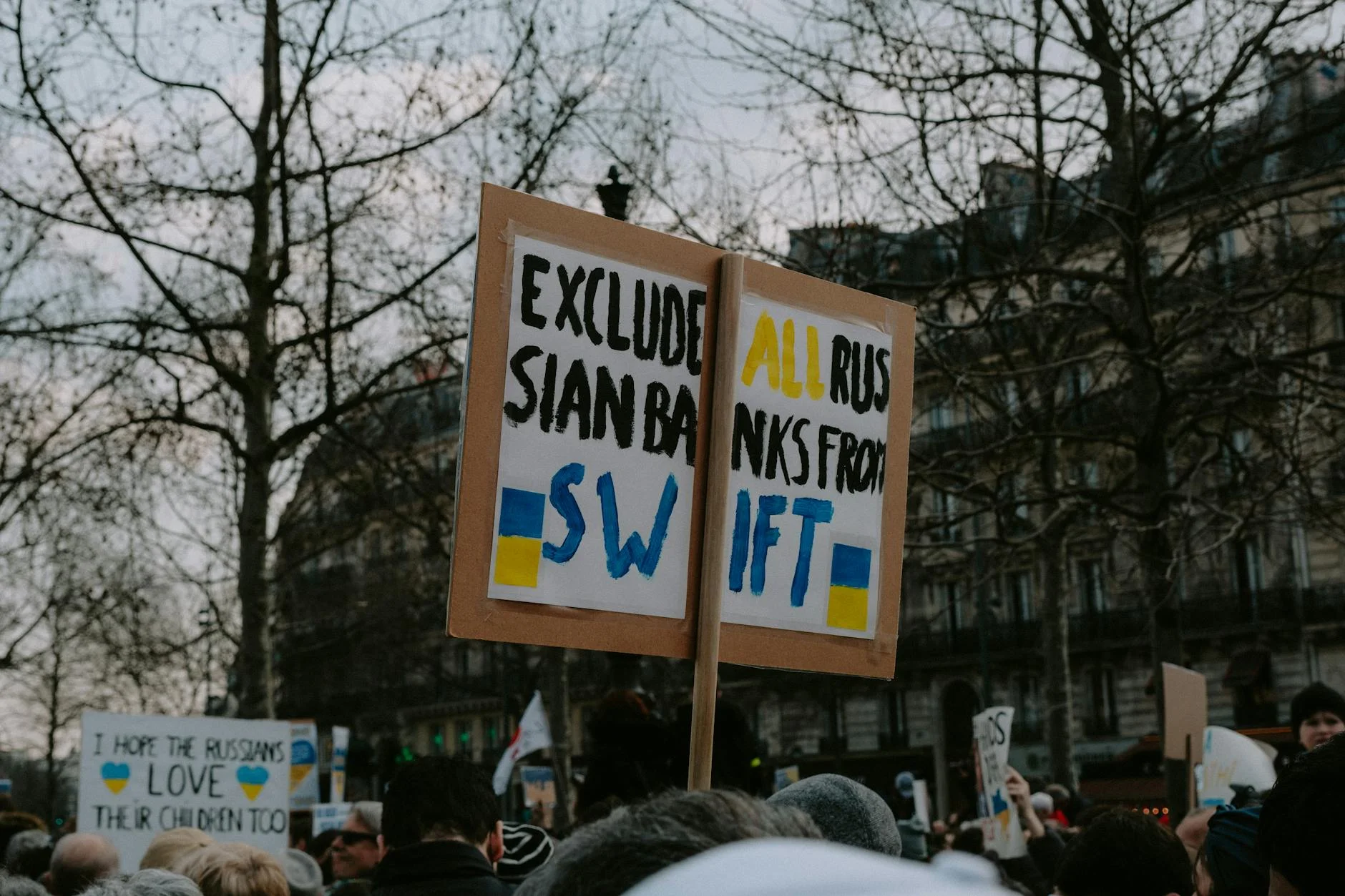
The Real Stakes
For energy markets: Confirmed—Japan's drawdown of 80 million barrels for 45 days of supply is a crisis-management measure, not a hedge.[1] The OECD warning of 4 percent UK inflation reflects genuine supply shock, not speculation.[1] If TACO traders are wrong and the Strait stays closed, oil prices will not fall because Trump changed his mind—they will stay high because the physical chokepoint remains blocked. Komileva's point is precise: the US president cannot unilaterally reopen a strait that Iran controls.
For investor portfolios: Projected—if Trump extends deadlines again and avoids strikes on Iranian energy infrastructure, TACO positions will profit short-term. But the profit depends on a false premise: that Trump's hesitation equals conflict de-escalation. One scenario: Trump delays, Iran interprets it as weakness and hardens its position, Israel escalates independently, and the Strait remains closed regardless. Another: Trump reverses course entirely and launches the strikes he promised, wiping out the TACO trade overnight and sending oil to $150+ per barrel.
For policy: Confirmed—UK Foreign Secretary Yvette Cooper stated at the G7 meeting that Iran cannot be allowed to hold the global economy hostage.[1] This reflects the real diplomatic dilemma: Western governments cannot afford prolonged supply disruption, but they also cannot allow Iran to dictate terms through blockade. Trump's deadline extensions buy time, but they do not solve the underlying standoff.
The traders betting on TACO are not wrong about Trump's pattern. He did reverse tariff threats repeatedly. But energy supply is not a negotiating chip that responds to presidential messaging. A closed strait is closed whether or not Trump tweets about it.
Geopolitical Dimension
Iran's position: The article does not detail Iran's stated conditions for reopening the Strait, but the fact that it remains closed after one month suggests Iran is not treating Trump's deadline extensions as meaningful.[1] Tehran has demonstrated it will absorb economic pain to maintain leverage—a calculation that TACO traders may be underestimating.
Israel's role: The source material mentions a US-Israel war on Iran but does not specify Israeli objectives or constraints.[1] If Israel's military goals extend beyond the one-month horizon, Israeli pressure could force Trump's hand regardless of his preference for delay. The TACO trade assumes Trump controls the timeline; in reality, Israel may control it.
Europe's vulnerability: The OECD specifically warned that the UK faces worse economic damage than any other major economy, with 4 percent inflation projected.[1] This reflects Europe's energy import dependence and lack of reserves comparable to Japan's. European governments may push for a negotiated settlement, or they may demand American military action to resolve the crisis quickly. Either way, Trump's delay tactics serve European interests poorly, which could constrain his room to extend deadlines indefinitely.
Saudi Arabia and UAE: The Al Jazeera homepage lists related stories—Saudi, UAE, Iraq: Can three pipelines help oil escape Strait of Hormuz?—indicating that regional producers are exploring workarounds.[1] If alternative export routes become viable, the Strait's closure becomes less economically catastrophic, reducing pressure on Trump to act. This is a slow-moving variable that TACO traders are not pricing in.
Impact Radar
Watch For
1. Strait of Hormuz status on 10 April 2026 — Trump's extended deadline. If Iran has not reopened it by this date and Trump does not launch strikes, TACO traders will face a choice: extend their bets or exit. If Trump does launch strikes, the trade collapses and oil volatility spikes. Watch for Trump's messaging in the 48 hours before 10 April; any further extension signals continued TACO viability.
2. Japanese reserve depletion rate — Japan released 80 million barrels for 45 days of supply.[1] If Japan exhausts reserves before mid-May 2026 without Strait reopening, Tokyo will face acute energy shortages and will pressure the US to act. This is a hard constraint on Trump's delay strategy.
3. OECD inflation data for UK and eurozone — The OECD projected 4 percent UK inflation for 2026.[1] If actual inflation runs higher by Q2 2026, European governments will demand faster US action to resolve the crisis, further constraining Trump's room to extend deadlines.
4. Alternative pipeline announcements — If Saudi Arabia, UAE, or Iraq announce viable pipeline capacity to bypass the Strait, the economic urgency of reopening it declines, and Trump's delay becomes more politically sustainable. Watch for energy ministry statements from Gulf producers in early April 2026.
Bottom Line
TACO is a real phenomenon—Trump has reversed course repeatedly on tariffs, and markets are rational to expect similar patterns on Iran. But energy supply is not negotiable by presidential decree. The Strait of Hormuz will remain closed until Iran decides to reopen it or until military force clears it. Markets betting purely on Trump's hesitation are pricing in half the equation. The other half—Iranian strategy, Israeli military objectives, and European economic pressure—operates on a different timeline and logic. By 10 April, we will know whether Trump's pattern holds or whether geopolitical reality overwhelms it. Until then, TACO traders are playing a game with rules they do not fully control.