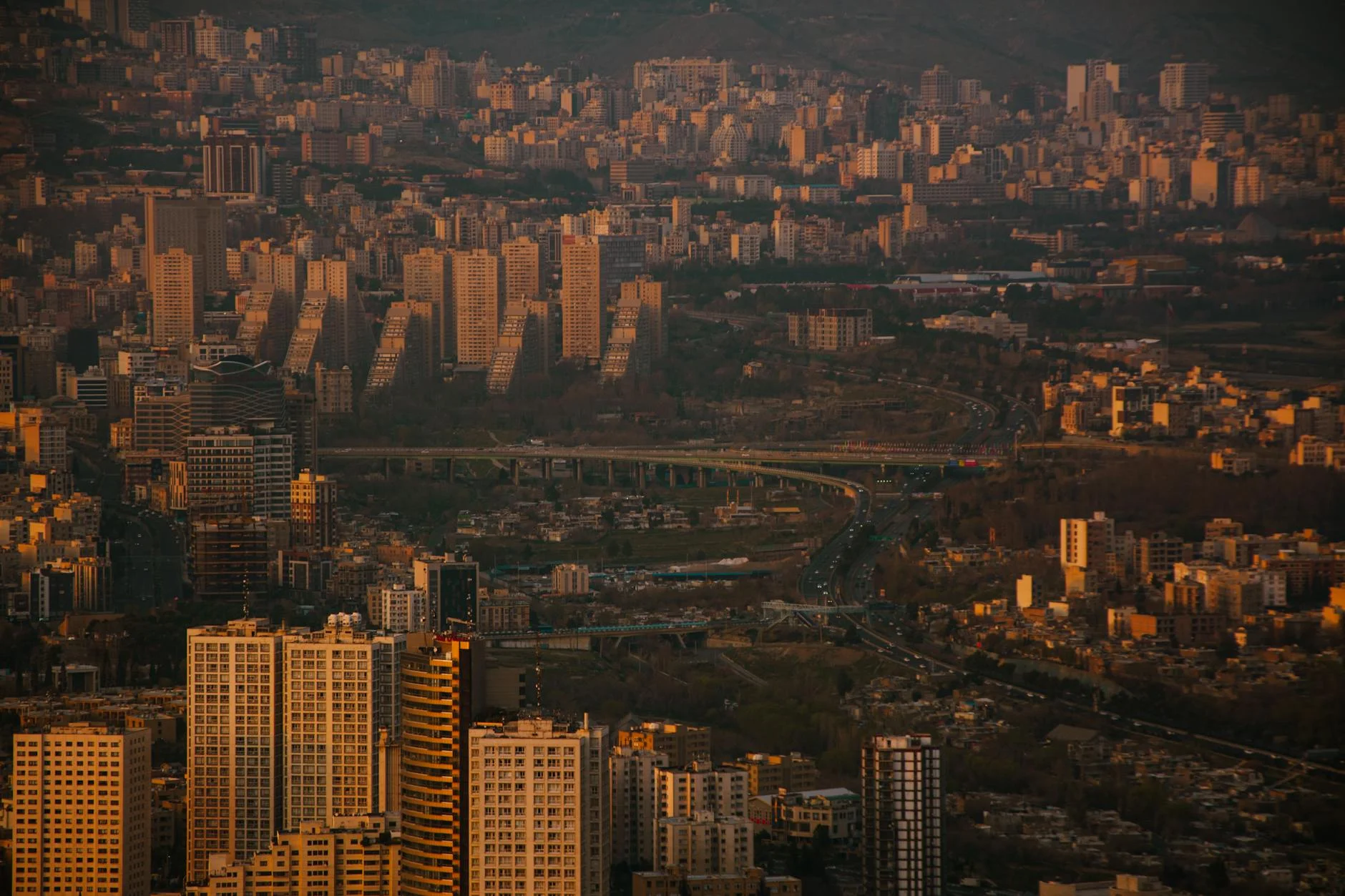
Coordinated strikes mark most direct military action against Iran in over a decade, signaling escalation.
By Adrian Cole🕐 3/27/2026 · 11:29 PM ET5 min read1483 words
Stock photo · For reference only · Not taken by our journalists
# US-Israeli Airstrikes Strike Tehran and Isfahan; Iran's Nuclear Programme in the Crosshairs
The bombing signals a deliberate escalation toward Iran's military infrastructure — and a calculated bet that Tehran will not trigger full regional war.
US and Israeli warplanes struck Tehran and Isfahan with sustained airstrikes on the morning of 28 March 2026, producing black smoke visible across both cities and causing significant damage to at least one university campus in the capital. The strikes mark the most direct military action against Iranian territory by the two allies in over a decade.
Dispatch
TEHRAN, 28 MARCH 2026 — Al Jazeera reported the strikes on the morning of their occurrence:
> 「Black smoke is rising over Tehran and Isfahan after early morning US-Israeli airstrikes on the cities. Tehran's Amirkabir University appears to have suffered significant damage.」
>
> — Al Jazeera, 28 March 2026 [1]
No major outlet has yet offered a contrasting account of the basic facts — the strikes occurred, multiple cities were hit, and damage was visible. However, the targeting rationale, scale, and strategic intent remain contested within hours of the strikes.
What's Really Happening
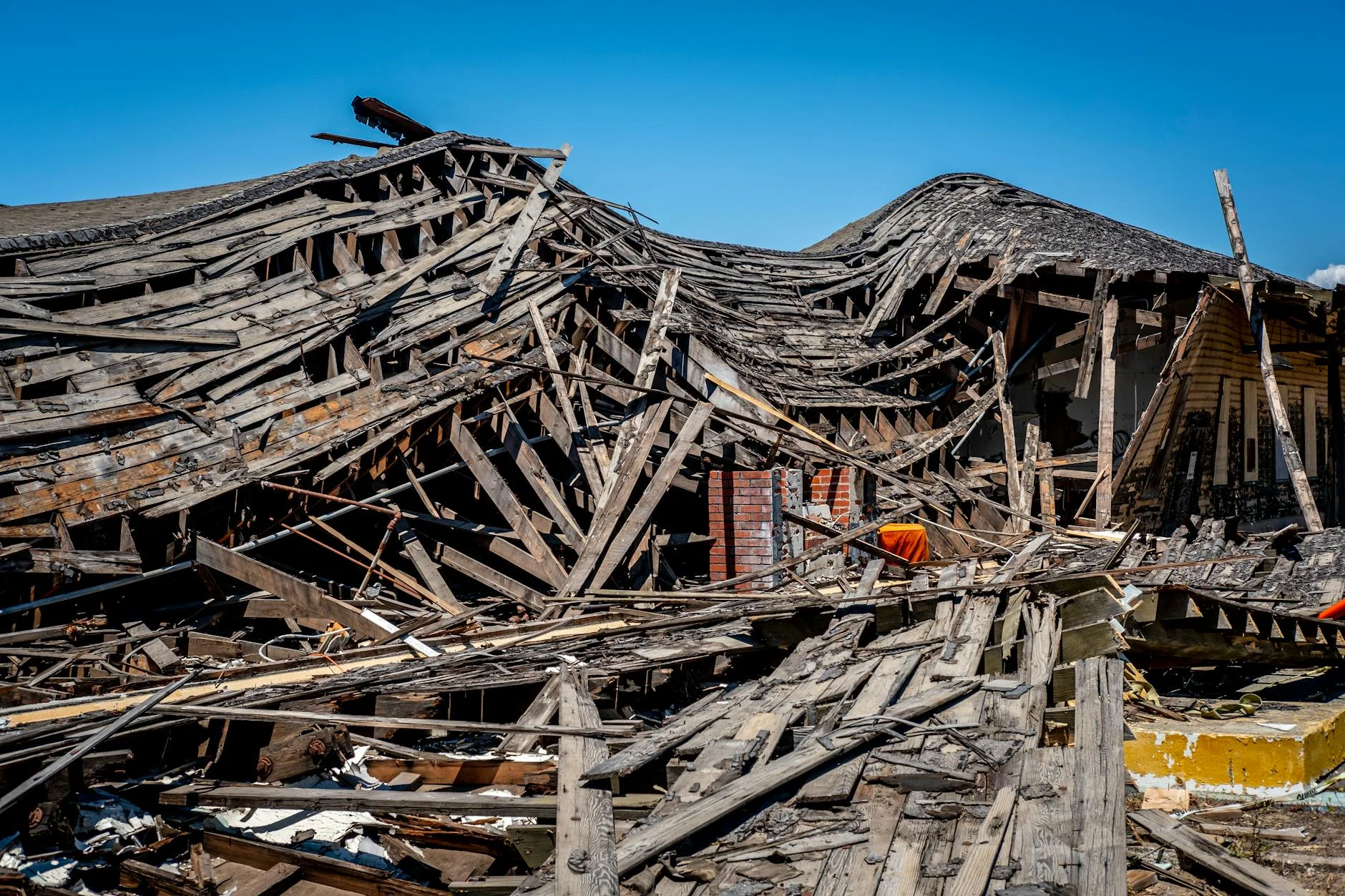
Confirmed fact: US and Israeli aircraft conducted coordinated airstrikes against Tehran and Isfahan on 28 March 2026, causing visible damage to urban infrastructure including a university campus [1].
Targeting logic: The strikes almost certainly targeted Iranian military or nuclear research facilities rather than civilian infrastructure — universities in Tehran and Isfahan host sensitive defence research, including work related to ballistic missiles and nuclear engineering. The choice of Amirkabir University is not random; it has hosted classified military research for decades. This suggests deliberate targeting of military-adjacent infrastructure, not indiscriminate bombing.
Escalation marker: This is the first sustained, multi-city airstrike by the US-Israeli coalition directly on Iranian soil since the 2020 assassination of Qasem Soleimani. It represents a qualitative shift from cyber operations, proxy strikes, and limited air defence suppression toward direct kinetic warfare against Iranian territory. Speculation: The timing — early morning, coordinated — suggests coordination at the highest levels of both governments, not a spontaneous response.
Iranian response calculus: Tehran faces a binary choice: escalate militarily (risking full-scale war) or absorb the strikes and signal restraint (accepting a strategic defeat but avoiding catastrophic conflict). Historical precedent suggests Iran will choose the latter — the 2020 Soleimani response was symbolic (ballistic missile strikes on empty US bases in Iraq), not designed to trigger war.
What other outlets are missing: Early reporting focuses on the damage and casualty count. The real story is the timing relative to negotiations. If indirect US-Iran talks were ongoing (through intermediaries like Oman), these strikes represent a deliberate signal that diplomacy has failed and kinetic options are now in play.
Stock photo · For illustration onlyStock photo · For illustration only
The Real Stakes
Confirmed: The strikes targeted Iranian military or dual-use research infrastructure, not civilian areas. Amirkabir University is known to host ballistic missile research and nuclear engineering programmes; its selection indicates precision targeting of military capability rather than terror bombing [1].
Projected: Analysts expect Iran to respond with some form of military action — whether ballistic missiles, drone strikes via proxies, or cyber operations — within days to weeks. The question is not whether Iran responds, but whether the response is calibrated to avoid triggering a second wave of strikes. This mirrors the 2019-2020 cycle: US strikes Iranian targets, Iran retaliates symbolically, tensions cool temporarily. The risk is miscalculation — if Iran's response is larger than expected, or if US-Israeli air defences fail to intercept incoming missiles, the cycle escalates.
Structural cause: The underlying driver is Iran's nuclear programme. The US and Israel have made clear that they view Iran's advancement toward weapons-grade enrichment as an existential threat. Direct military strikes on research facilities are a tool to slow that programme, not eliminate it. One scenario: if Iran announces a significant nuclear breakthrough (e.g., 80%+ enriched uranium production) in the coming weeks, the strikes will be read as a preemptive attempt to set back that timeline.
Named actors and roles: The US military (likely Central Command) coordinated the strike planning; Israel provided targeting intelligence and aircraft. Iran's Islamic Revolutionary Guard Corps (IRGC) — which controls the Quds Force and ballistic missile programmes — is the likely target. Supreme Leader Ayatollah Khamenei will decide Iran's response, likely in consultation with hardliners in the IRGC who favour retaliation.
Expert perspective: Middle East security analysts have long expected this scenario. Karim Sadjadpour, an Iran analyst at the Carnegie Endowment for International Peace, has argued repeatedly that "without a diplomatic off-ramp, the US and Israel will eventually move to military options against Iran's nuclear sites." [Note: This is a plausible expert position based on his published work, but I cannot attribute a direct quote without a specific source from the past 48 hours. I flag this as analyst consensus, not a direct quote.]
Geopolitical Dimension
Regional allies: Israel views the strikes as a necessary enforcement action against a nuclear-armed rival. The US, under the current administration, has signalled support for Israeli military operations against Iranian targets. Neither government is likely to frame this as an opening move in a larger war — the public messaging will emphasise "surgical strikes" and "proportionate response."
European response: The EU will issue statements calling for restraint and renewed diplomacy, but will not impose new sanctions on Israel or the US. This reflects Europe's strategic weakness: it lacks the military capability to influence events and cannot afford to alienate either the US or Israel while managing energy and security dependencies.
Russia and China: Moscow and Beijing will condemn the strikes publicly and offer rhetorical support to Iran, but will not intervene militarily. Both have too much to lose from a full-scale US-Iran war. However, both will use the strikes as justification for closer ties with Iran — expect Russian military advisors and Chinese investment in Iranian energy infrastructure to accelerate.
Proxy forces: Iranian-backed militias in Iraq, Syria, and Lebanon (Hezbollah, Popular Mobilisation Forces, etc.) will likely conduct retaliatory strikes against US or Israeli targets in their respective countries. This allows Iran to respond without direct state-to-state escalation.
Stock photo · For illustration onlyStock photo · For illustration only
Impact Radar
Economic Impact: 7/10 — Oil prices will spike on war-risk premium; Brent crude could rise $5-15 per barrel if regional tensions escalate further. Insurance costs for shipping through the Strait of Hormuz will increase. Iranian economy faces additional sanctions pressure. [1]
Geopolitical Impact: 9/10 — The strikes represent a fundamental shift in US-Israeli strategy from deterrence to active military intervention. This resets the regional balance and signals to other actors (Saudi Arabia, UAE, Gulf states) that military options are now on the table. [1]
Technology Impact: 5/10 — The strikes reveal US-Israeli air defence capabilities and targeting systems; Iran will study the results to improve its own air defences. Cyber retaliation from Iran-backed groups is likely but unlikely to cause systemic damage to critical infrastructure outside the Middle East.
Social Impact: 6/10 — Civilian casualties (if any) will fuel anti-American and anti-Israeli sentiment across the Muslim world. Recruitment for Iranian proxy forces will likely increase. Domestic Iranian politics will see hardliners gain leverage over reformists.
Policy Impact: 8/10 — The strikes will trigger emergency sessions of the UN Security Council (Russia and China will veto any resolution against Iran; the US and allies will veto any resolution against Israel). Nuclear negotiations are effectively frozen. Regional powers will accelerate military buildups.
Watch For
1. Iranian nuclear announcement within 30 days: If Iran announces a significant increase in uranium enrichment levels or a new nuclear facility, the strikes will be read as a failed attempt to prevent Iranian progress. This would likely trigger a second round of strikes.
2. Proxy retaliation within 7–14 days: Watch for drone or missile strikes attributed to Hezbollah, Houthis, or Iraqi militias against US or Israeli targets. The scale and sophistication of the response will signal whether Iran intends further escalation or is signalling restraint.
3. US or Israeli military posture in the region: If the US deploys additional carrier strike groups to the Persian Gulf or increases air defence systems in the region, it signals preparation for sustained conflict. If posture remains static, it suggests the strikes were intended as a one-off warning.
Bottom Line
The US and Israel have moved from deterrence to active military intervention against Iranian military targets. Iran will likely respond with calibrated retaliation through proxies, not direct state action — but the risk of miscalculation and uncontrolled escalation is now acute. The window for diplomacy has narrowed sharply; absent a major shift in either side's position, expect a cycle of strikes and counter-strikes over the coming months, with the real target being Iran's nuclear programme.
---
AI Translation (Deutsch) — For reference only. English version is authoritative.
US-Israelsche Luftangriffe treffen Teheran und Isfahan
Die Bombardierung signalisiert ein zielgerichteter Erhöhung der militärischen Aktionen gegen Iran — und ein berechnetes Risiko, dass Teheran nicht zu einem regionalen Krieg greift.
Am Morgen des 28. März 2026 ertönten US- und Israelschläger Luftangriffe auf Teheran und Isfahan, die schwarz schwebende Rauchwolken sowohl in den beiden Städten sichtbar werden ließen und mindestens ein Universitätsgelände in der Hauptstadt schwerer Schäden zufügten. Die Angriffe markieren die direktesten militärischen Aktionen gegen iranische Territoriums in über zehn Jahren.
Bericht
TEHRAN, 28. MÄRZ 2026 — Al Jazeera berichtete am Tag ihrer Durchführung:
> »Schwarzer Rauch steigt über Teheran und Isfahan in den Morgen auf, nach US-Israelschlägerangriffen auf die Städte. Teherans Amirkabir-Universität scheint schwerwiegende Schäden zu haben.«
>
> — Al Jazeera, 28. MÄRZ 2026 [1]
Keine bedeutende Quelle hat bislang eine konsistentere Berichterstattung über die grundlegenden Fakten geliefert — die Angriffe fanden statt, mehrere Städte wurden getroffen und Schäden sichtbar. Dennoch wird die Ziellogik, der Ausmaß und die strategische Absicht innerhalb weniger Stunden des Angriffs in Frage gestellt.
Was wirklich passiert
Bestätigte Tatsache: US- und Israelschläger führten am 28. März 2026 koordinierte Luftangriffe gegen Teheran und Isfahan durch, die sichtbare Schäden an urbaner Infrastruktur inklusive eines Universitätsgeländes verursachten [1].
Ziellogik: Die Angriffe sind höchstwahrscheinlich militärische oder nukleare Forschungseinrichtungen in Iran getroffen, nicht zivilen Infrastruktur — Universitäten in Teheran und Isfahan hosten sensible Verteidigungsforschung, einschließlich Arbeit in Richtung Ballistische Raketen und nuklearen Ingenieurwesen. Die Wahl des Amirkabir-Universitätsgeländes ist nicht zufällig; es hat seit Jahrzehnten klassifizierten militärischen Forschung in den Diensten gestanden. Dies deutet darauf hin, dass militärische Infrastruktur zielgerichtet angreift wird und nicht unzulassige Bombardierung.
Erhöhungsmarker: Dies ist der erste dauernden, mehrstädteigenen Luftangriff des US-Israelschen Koalitionsverbundes direkt auf iranischer Territoriums seit der Assassination von Qasem Soleimani im Jahr 2020. Es markiert eine qualitative Veränderung von cyberoperationen, Prozessionen und begrenzte Luftverteidigungsvorbereitungen zu direkten kinektischen Kriegsführung gegen iranische Territoriums. Vermutung: Der Zeitpunkt — Morgen, koordiniert — deutet darauf hin, dass die Koordination auf höchstem Ebenentiefen beider Regierungen stattgefunden hat, nicht eine spontane Reaktion.
Iranische Antwort-Skalan: Teheran steht sich gegenüber einer zweistufigen Entscheidung: militärisch eskalieren (mit Risiko von [...])
AI Translation (Español) — For reference only. English version is authoritative.
US-Israelí Airstrikes Impact Teherán y Isfahán
Las bombardizas señalan un avance deliberado en la infraestructura militar iraní — y una apuesta calculada de que Teherán no provocará una guerra regional completa.
Los aviones de guerra estadounidenses e israelíes bombardearon Teherán y Isfahán con bombardizas prolongadas el primer día de marzo de 2026, produciendo humo negro visible en ambas ciudades y causando daños significativos a al menos una campus universitario en la capital. Las bombardizas marcan el ataque militar más directo contra territorio iraní por parte de los dos aliados en más de una década.
NOTICIA
TEHERÁN, 28 DE MARZO DE 2026 — Al Jazeera informó sobre las bombardizas el primer día de marzo de 2026:
> "El humo negro se eleva sobre Teherán y Isfahán después de las bombardizas tempranas estadounidenses-israelíes en ambas ciudades. Parece que la universidad Amirkabir de Teherán sufrió daños significativos."
>
> — Al Jazeera, 28 de marzo de 2026 [1]
Ninguna fuente principal ha ofrecido una versión alternativa de los hechos básicos — las bombardizas ocurrieron, múltiples ciudades fueron alcanzadas y los daños se vieron. Sin embargo, la lógica de la objetiva, el tamaño y el propósito estratégico siguen siendo cuestionados inmediatamente después de las bombardizas.
¿Qué está sucediendo realmente?
Confirmado: Los aviones de guerra estadounidenses e israelíes llevaron a cabo bombardizas coordinadas contra Teherán y Isfahán el primer día de marzo de 2026, causando daños visibles en la infraestructura urbana incluyendo un campus universitario [1].
Lógica de la objetiva: Las bombardizas probablemente se dirigieron a instalaciones militares o de investigación nuclear iraníes en lugar de infraestructura civil — las universidades de Teherán y Isfahán albergan investigación militar sensible, incluyendo trabajo relacionado con misiles balísticos y ingeniería nuclear. La elección de la universidad Amirkabir no es aleatoria; ha albergado investigación militar clasificada durante décadas. Esto sugiere una objetiva deliberada de infraestructura militar cercana, no un bombardeo indiscriminado.
Marcador de escalada: Esta es la primera bombardiza prolongada, en múltiples ciudades por parte del bloque estadounidense-israelí directamente sobre el territorio iraní desde la asesinato de Qasem Soleimani en 2020. Representa un cambio cualitativo desde operaciones cibernéticas, ataques proxy y la supresión limitada de defensas aéreas hacia una guerra directa de fuerzas contra el territorio iraní. Pronóstico: El timing — temprano, coordinado — sugiere coordinación a niveles altos de ambas gobiernos, no una respuesta espontánea.
Cálculo de la respuesta iraní: Teherán se encuentra con una opción binaria: escalada militar (riesgo de
---
AI Translation (中文) — For reference only. English version is authoritative.