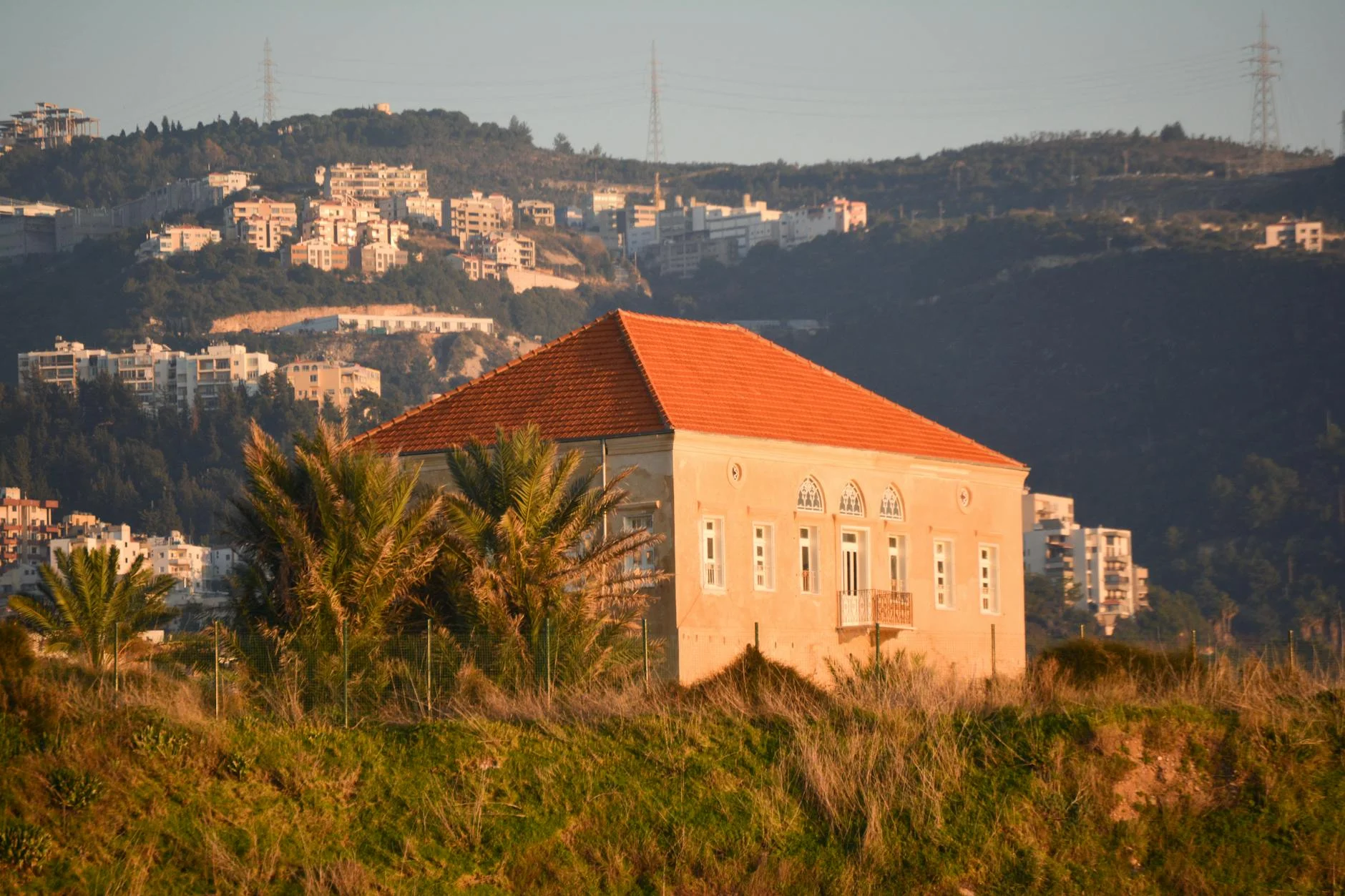
Israeli warplanes struck the Jnah neighbourhood in central Beirut and a vehicle south of the Lebanese capital on 1 April, killing at least two people and sending emergency workers clawing through fresh rubble in a city that has endured near-daily bombardment since early March. The strikes mark the latest escalation in a conflict that has killed over 1,200 Lebanese, displaced more than a million, and now threatens to redraw the map of the Levant — with Israel's defence minister openly declaring his intention to occupy Lebanese territory up to the Litani River indefinitely.
Dispatch
[BEIRUT, 1 APRIL 2026] — Al Jazeera reported on the immediate aftermath of overnight strikes that hit one of Beirut's densely populated southern districts:
Emergency workers searched through rubble in Beirut after Israeli airstrikes hit the Jnah neighbourhood and a vehicle south of the capital, killing two. More than 100 people have been killed in Lebanon, including 52 health workers, since Hezbollah launched retaliatory strikes on Israel as part of the US-Israeli war on Iran.
Al Jazeera, 1 April 2026

The framing matters. Al Jazeera explicitly places the Lebanon theatre within the broader US-Israeli war on Iran — a characterisation that reflects how much of the Middle East and Global South reads this conflict: not as a discrete Israeli-Hezbollah confrontation, but as a regional war driven by Washington and Jerusalem's decision to assassinate Iran's supreme leader in late February [5].
A starkly different level of detail comes from the BBC, which published a comprehensive account of Israel's declared military intentions in southern Lebanon:
Israel's defence minister has said a buffer zone will be set up inside southern Lebanon and that Israel will keep security control over a swathe of the territory even after the end of the current war against the armed group Hezbollah. Israel Katz said the area to be occupied would go up to the Litani River in southern Lebanon — about 30km (18.6 miles) from the border with Israel. He also said all houses in Lebanese villages near the Israeli border would be demolished.
BBC News, 1 April 2026
The BBC report provides the casualty accounting that gives scale to this war: since early March, at least 1,238 people have been killed in Lebanon, including at least 124 children [5]. The UN's humanitarian affairs office confirms 52 health workers killed [5]. In the same period, Israeli authorities report 10 soldiers and two civilians killed by Hezbollah attacks [5]. Three Indonesian peacekeepers and three Lebanese journalists have also been killed [5]. The IDF confirmed it killed two of the journalists, describing them as terrorists without providing evidence to back up its claims [5].
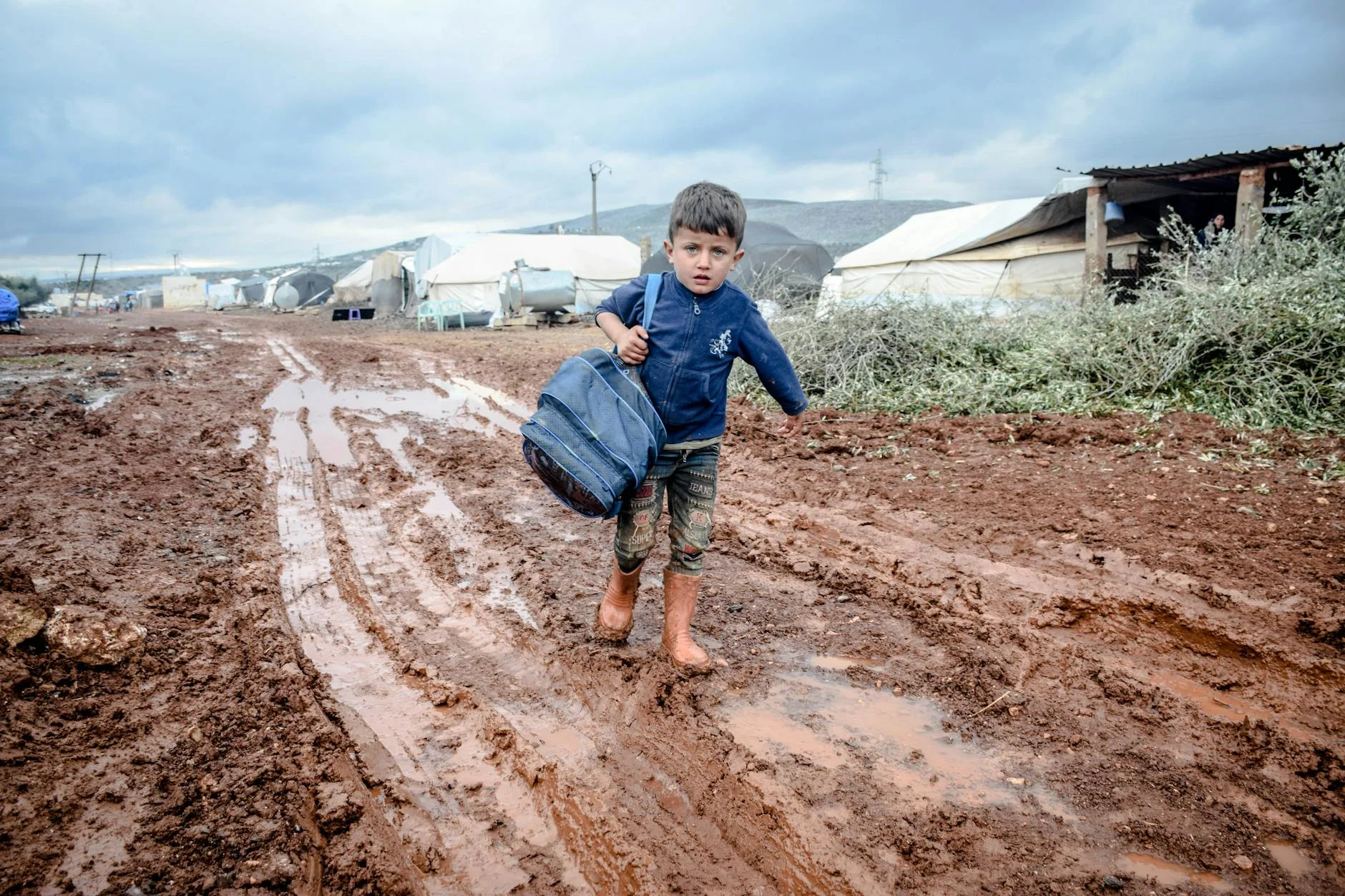
More than one million people — roughly one in every six Lebanese — have been displaced, worsening an existing humanitarian crisis in a country already hollowed out by economic collapse [5].
What's Really Happening
The Real Stakes
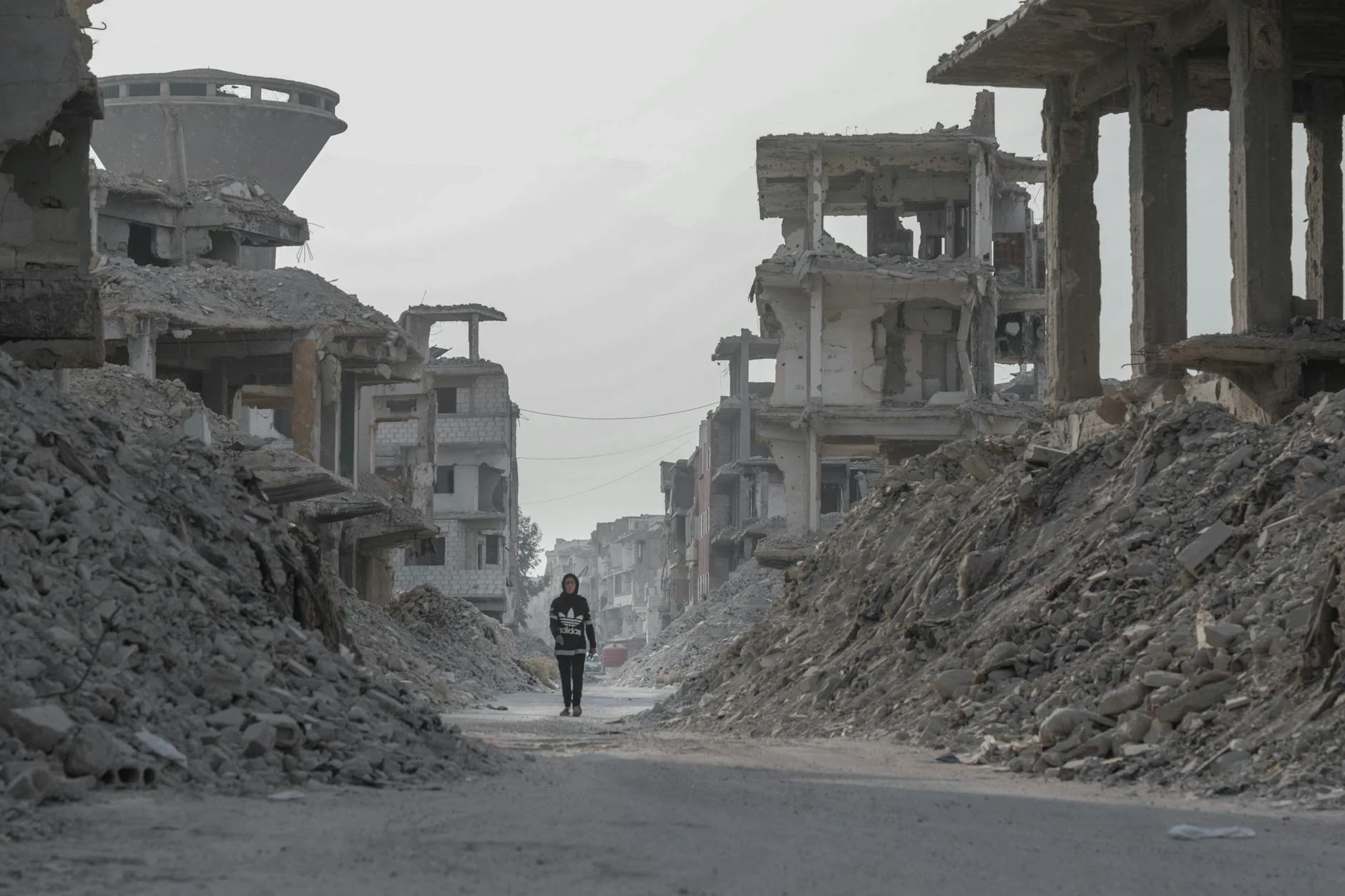
The Jnah strikes are tactically minor — two dead in a war that has already killed over 1,200. But they carry strategic weight because they landed in central Beirut on the same day Israel's defence minister publicly committed to an indefinite occupation of Lebanese territory up to the Litani River. The message is calibrated: Israel will strike the capital at will while absorbing the south into its security perimeter. For Lebanon's government — such as it is — this represents an existential challenge. Lebanon's Defence Minister Maj Gen Michel Menassa called Katz's remarks evidence of a clear intention to impose a new occupation of Lebanese territory [5]. European nations, Canada, and the UN also criticised the announcement [5].
The economic reverberations have already gone global. Crude oil has surged more than 50% since the conflict began on 28 February, and global jet fuel prices have more than doubled [8]. Korean Air, Asiana Airlines, and Busan Air have entered emergency management mode [8]. China Eastern Airlines warned that geopolitical conflicts will have a relatively significant impact on the aviation sector [8]. Ireland's Taoiseach Micheál Martin called the oil supply shock probably the worst ever [12]. This is no longer a regional war — the economic damage is hitting every country that imports energy, which is to say nearly all of them.
Donald Trump, who launched the initial strikes on Iran alongside Israel on 28 February, told European nations worried about fuel prices to go get your own oil by force from the Gulf [12]. US Secretary of Defence Pete Hegseth mocked the Royal Navy's capacity to secure the Strait of Hormuz, saying: Last time I checked, there was supposed to be a big, bad Royal Navy that could be prepared to do things like that as well. [12]. Trump later told reporters that the responsibility for keeping the strait open will rest with countries that rely on it — a statement that, if taken at face value, represents the most dramatic American withdrawal from the post-war maritime security order since 1945.
Geopolitical Dimension
Five distinct fault lines have opened simultaneously, each reinforcing the others:
Israel–Lebanon: Israel's declared occupation to the Litani River mirrors the 1978–2000 occupation of southern Lebanon, which ultimately produced Hezbollah as a resistance movement. The historical irony is savage: an occupation justified by the need to neutralise Hezbollah will almost certainly produce the conditions for its successor. Katz's order to demolish border villages and bar 600,000 residents from returning [5] will create a displaced population with generational grievances — precisely the demographic that fuelled Hezbollah's recruitment for two decades.
US–Europe: The transatlantic rift has moved from rhetoric to operational reality. France blocking Israeli weapons flights, Italy refusing US bomber landings, Spain denying base access [12] — these decisions carry real military consequences. Trump's response — publicly humiliating the UK for not joining the war while suggesting European nations seize the Strait of Hormuz by force [12] — reveals a US administration that views allies as either subordinates or adversaries. White House Press Secretary Karoline Leavitt announced Trump will give an address to provide an important update on Iran [12], but Trump's own timeline of two to three weeks to end operations suggests the administration is searching for an exit even as it escalates the rhetoric.
Iran and the Strait of Hormuz: Iran has effectively blocked the exit through the Strait of Hormuz [10], trapping approximately 20,000 seafarers in the Persian Gulf, including 7,300 Filipinos [10]. The strait handles roughly 20% of global oil transit. Iran's ability to close it — or credibly threaten closure — gives Tehran its most powerful asymmetric lever. Every day the strait remains contested, the global economic cost compounds.
The Gulf States and Asia: The war's impact on Gulf-based migrant workers from South and Southeast Asia creates diplomatic pressure on governments from Manila to Kathmandu. Filipino domestic worker Norma Tactacon, stuck in Qatar, told the BBC: I get scared and nervous every time I see pictures and videos of missiles in the air. I need to be alive to be there for my family. I'm all that they have. [6]. With 24 million migrant workers in the region [6] and at least 12 South Asian workers already dead [6], Asian governments face the impossible choice between protecting their citizens and preserving the remittance flows that sustain millions of families.
International Humanitarian Law: The killing of 52 health workers, three UN peacekeepers, and three journalists in one month [5] — combined with Israel's open declaration of its intent to demolish civilian homes and permanently occupy sovereign territory — will test every institution tasked with enforcing the laws of war. The IDF's practice of labelling killed journalists as terrorists without evidence [5] signals an Israeli calculation that narrative control matters more than legal exposure.
Impact Radar
Watch For
1. Trump's address on Iran. Karoline Leavitt confirmed Trump will provide an important update on Iran [12]. His stated timeline of two to three weeks to end operations could signal either a genuine drawdown or a rhetorical pivot to blame partners for the war's continuation. The content of this speech will set the trajectory for the next phase.
2. UN Security Council action on the Litani occupation. Israel Katz's public declaration of intent to permanently occupy territory up to the Litani River [5] gives any UNSC member the basis to table a resolution. Watch whether France — already blocking Israeli weapons flights [12] — moves from passive obstruction to active diplomatic confrontation. The US veto remains the decisive variable.
3. Strait of Hormuz reopening or escalation. With 20,000 seafarers trapped [10] and global energy markets in crisis [8][12], the pressure to reopen the strait — by negotiation or force — will intensify daily. Trump's suggestion that European navies should just TAKE IT [12] is militarily reckless, but it signals Washington will not act unilaterally. If Iran maintains the blockade through April, expect Asian importing nations — Japan, South Korea, India — to enter the diplomatic fray directly.
Bottom Line
This is no longer a war between Israel and Hezbollah. It is a multi-front regional conflict that has fractured the transatlantic alliance, closed the world's most important oil chokepoint, displaced a million Lebanese, stranded 20,000 sailors, and triggered the worst energy shock in a generation — all within five weeks. Israel's declaration of permanent occupation up to the Litani River transforms a military operation into a territorial annexation, and no institution with the power to stop it has shown the will to do so.
---
Adrian Cole | Global Affairs & Markets
My Awesome News Analysis — my-awesome-news-analysis.uk
@my_awesome_news