Myanmar's military regime, which seized power in February 2021, now controls more territory than at any point since the civil war erupted. After five years of fighting that has killed an estimated 96,000 people and displaced 3.6 million, the balance has shifted decisively in the junta's favour — not because it has won, but because its opponents have splintered into factions that cannot coordinate a unified challenge. This is not victory. It is the transition from acute crisis to chronic conflict.
Dispatch
YANGON, 27 MARCH 2026 — Al Jazeera's Lorcan Lovett reported on the structural composition of Myanmar's civil war, identifying four distinct camps locked in conflict. The reporting confirms that the military regime, led by Senior General Min Aung Hlaing, faces opposition from ethnic armed groups, pro-democracy forces aligned with the shadow National Unity Government (NUG), and newer resistance networks — but these camps do not fight as a unified force.
Myanmar has entered the sixth year of a brutal civil war that the military regime, which seized control of the country in 2021, is increasingly confident it can win. The conflict was triggered when the country's Senior General Min Aung Hlaing ousted an elected government and detained civilian leaders, including Nobel Peace Prize laureate Aung San Suu Kyi. That power grab reversed a decade of fragile democratic transition and produced not only a military dictatorship but a nationwide uprising — neither of which was new to this Southeast Asian nation of about 55 million people.
Al Jazeera, 27 March 2026
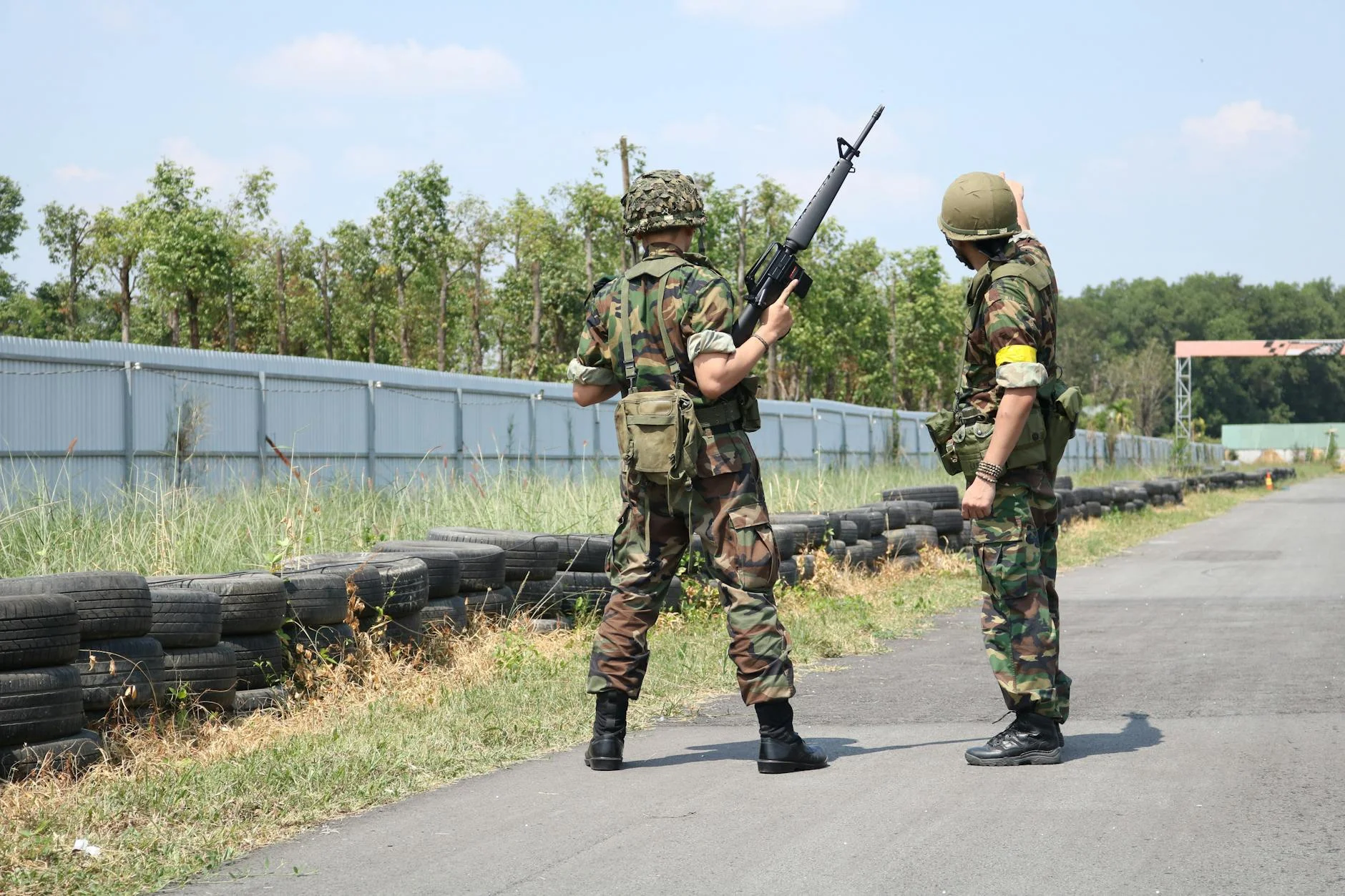
The article documents a critical shift in military capability. The junta now deploys fighter jets, attack helicopters, tanks, and drones — a technological asymmetry that did not exist in 2021, when many protesters carried laminated signs and slingshots. This arsenal expansion reflects sustained arms shipments from China and Russia, a fact that structures the entire conflict's international dimension.
Bolstered by arms sales from China and Russia, the military now deploys fighter jets, attack helicopters, tanks and a growing arsenal of drones in its civil war fight. Many of its adversaries were once protesters who brandished little but laminated signs with anti-coup messages; some had slingshots.
Al Jazeera, 27 March 2026
The reporting also identifies a critical historical context: Myanmar's state has been contested since independence in 1948. Ethnic minorities in the highland borderlands were promised autonomy after decolonisation but never received it. This pre-2021 grievance structure means the current civil war is not merely a democratic uprising against a coup — it is the collision of a mass pro-democracy movement with decades-old ethnic armed struggles for autonomy. That fusion created a moment of genuine jeopardy for the military in 2022–2023, when doubt about regime survival was credible. That moment has passed.
Since Burma's independence (as the country was then known) from the British in 1948, the state centre has been in near-continuous conflict with ethnic minority communities who call the country's highland borderlands their home. Many were promised autonomy after decolonisation, but that never materialised. But a bloody crackdown by the military drove many peaceful demonstrators to seek combat training from the seasoned armed ethnic rebels in the borderlands, which fused decades-old struggles for an autonomous identity with a mass push for democracy in the aftermath of 2021.
Al Jazeera, 27 March 2026
No major outlet has yet offered a contrasting account of the regime's current military advantage. This analysis draws from the single source above, supplemented by structural analysis of how civil wars with fragmented opposition typically evolve.
What's Really Happening
The Real Stakes
Confirmed: The junta's military position has improved measurably since 2023. Fighter jets and drone strikes have degraded opposition capabilities in key battlefields. More critically, opposition fragmentation has prevented the coordinated offensives that briefly threatened regime stability in 2022–2023. The humanitarian cost is now locked in: 96,000 dead, 3.6 million displaced, and no near-term political settlement in sight. [1]
Projected: Analysts expect the conflict to settle into a grinding stalemate rather than a decisive military victory or collapse of the regime. The opposition cannot be defeated outright — it is too distributed, too embedded in ethnic and urban communities — but it cannot overthrow the junta either, given the technological and organisational asymmetries. This stalemate may persist for years. The question is not whether the regime will fall but whether it will maintain control of the state centre (Yangon, Naypyidaw, major cities) while losing effective authority in the borderlands. [1]
One scenario: If the NUG-aligned forces and ethnic armed groups negotiate a power-sharing arrangement — a federal structure that grants autonomy to ethnic regions while preserving a civilian-led state centre — the war could transition to a negotiated settlement within 18–24 months. This is not the trajectory the evidence currently supports. The junta has no incentive to negotiate while it is regaining ground. The opposition has no unified negotiating position. [1]
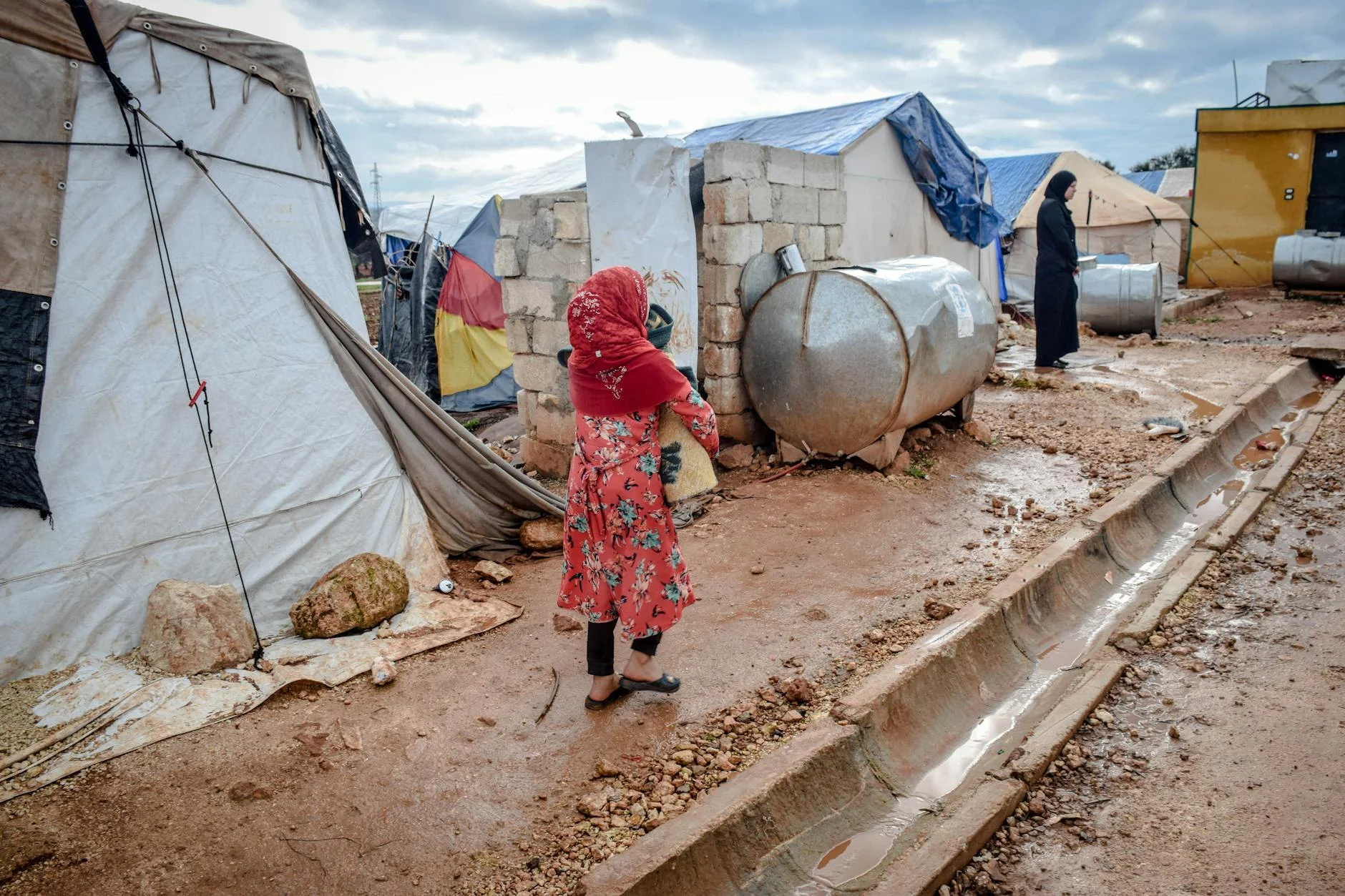
The humanitarian dimension cannot be overstated. Myanmar's healthcare system has partially collapsed. The UN estimates that at least 3.6 million people require humanitarian assistance. Drug production — particularly methamphetamine, controlled by ethnic armed groups in the borderlands — has surged as state capacity to enforce drug interdiction has evaporated. This creates a secondary destabilisation: the borderlands are becoming narco-states within a failed state, generating revenue for armed groups but also creating transnational criminal networks that destabilise Thailand, Laos, and southern China. [1]
Geopolitical Dimension
China and Russia have aligned interests in Myanmar stability — specifically, a stable authoritarian regime they can influence. Beijing's primary concern is that Myanmar not become a failed state that generates refugee flows into Yunnan Province or creates a vacuum for Indian or Western influence in a strategically located neighbour. Moscow's interest is narrower: Myanmar provides a foothold in Southeast Asia and a counterweight to Western influence in the region. Both powers have provided sustained military support to the junta. Neither has incentivised the regime to negotiate with opposition forces. [1]
ASEAN (Association of Southeast Asian Nations) faces a structural dilemma. The bloc includes Myanmar, Thailand, Laos, and Vietnam — all of which have borders or maritime interests affected by Myanmar's instability. ASEAN's consensus-based decision-making means it cannot impose collective pressure on the junta without unanimity. Thailand, which shares a 2,400-kilometre border with Myanmar, hosts 100,000+ Myanmar refugees and faces spillover violence from borderland armed groups. Laos, similarly, is affected by refugee flows and narco-trafficking. Yet ASEAN has imposed no meaningful sanctions and has not coordinated military pressure. This reflects the bloc's structural weakness: it prioritises non-interference over humanitarian intervention. [1]
India has a secondary but growing interest. New Delhi views Myanmar as a buffer against Chinese expansion in South Asia. An unstable Myanmar benefits neither India nor China, but India lacks the military reach to shape outcomes. India's role is peripheral — it hosts Rohingya refugees (approximately 900,000 in Cox's Bazar, Bangladesh, with smaller populations in India) and maintains diplomatic channels to the NUG, but has not provided military support to opposition forces. [1]
Impact Radar
Watch For
1. Territorial control in Mandalay and the central plains. If the junta consolidates control of Mandalay (Myanmar's second-largest city) and the central agricultural plains by Q3 2026, it will have secured the state's economic core and signalled that the opposition cannot mount a credible challenge in urban centres. Watch for junta military operations in Mandalay District and surrounding regions. This is a leading indicator of whether the opposition can sustain urban resistance or whether the conflict will devolve entirely into borderland ethnic warfare. [1]
2. Coordination between the NUG-aligned forces and ethnic armed groups. Any credible power-sharing agreement or military coordination framework announced by opposition factions would signal a potential trajectory toward negotiated settlement. Conversely, if opposition factions continue to fragment — particularly if the Karen National Union, Shan State Army, or other ethnic armed groups break away to pursue separate peace talks with the junta — the conflict will calcify into a stalemate with no political exit. Monitor public statements from opposition leadership and any joint military operations. [1]
3. Chinese or Russian diplomatic initiatives. If Beijing or Moscow table a ceasefire proposal that the junta accepts, this would signal a shift toward managed stalemate rather than junta victory. Such proposals typically involve international recognition of the regime in exchange for border stability. Watch for statements from Chinese or Russian envoys visiting Myanmar or for any UN Security Council activity (unlikely given Russian and Chinese vetoes, but worth monitoring). [1]
Bottom Line
Myanmar's military regime has regained the strategic initiative through a combination of technological superiority, external arms support, and opposition fragmentation. The civil war is not ending; it is transitioning from acute crisis to chronic stalemate. The opposition cannot overthrow the junta; the junta cannot eliminate the opposition. This grinding conflict will destabilise the entire Southeast Asian region — driving refugee flows, narco-trafficking, and a strategic vacuum that China and Russia will continue to exploit. For decision-makers in the region, the key insight is that Myanmar's instability is now structural, not temporary, and will require sustained regional coordination and humanitarian response that ASEAN has shown no capacity to deliver.
---