Twenty-eight days into coordinated US-Israel strikes on Iranian nuclear and military sites, Trump announced a 10-day delay on expanding targets to Iran's energy sector — citing progress in back-channel talks brokered through Oman. Tehran's foreign ministry called that characterization 「a lie fabricated for domestic American consumption.」[1]

---

What's Really Happening

  • The strikes already achieved their primary objective: US and Israeli forces — working from intelligence compiled over three years — destroyed Iran's Fordow and Natanz enrichment facilities within the first 72 hours. What remains is the question of what comes next.
  • The energy pause is tactical, not strategic: Hitting Iran's Kharg Island terminal — through which 90% of Iran's crude exports flow — would spike Brent crude by an estimated $20–30 per barrel overnight, triggering a political crisis across Europe and Southeast Asia that Trump cannot afford right now.[2]
  • Iran is signaling, not negotiating: Supreme Leader Khamenei has not authorized direct talks. What Oman is relaying are Iranian preconditions — full halt to strikes, sanctions removal, security guarantees — that Washington has already rejected.
  • The Houthis re-entered on day 22, firing ballistic missiles at Israeli shipping lanes in the Red Sea; the USS Abraham Lincoln carrier group intercepted all projectiles, but the escalation ladder just grew longer.[1]
  • China is watching Kharg closely: Beijing imports roughly 12% of its crude from Iran. An energy strike changes Beijing's calculus in ways no diplomatic communiqué can repair.[2]
  • ---

    Trump's Iran Pause Is Politics, Not Peace
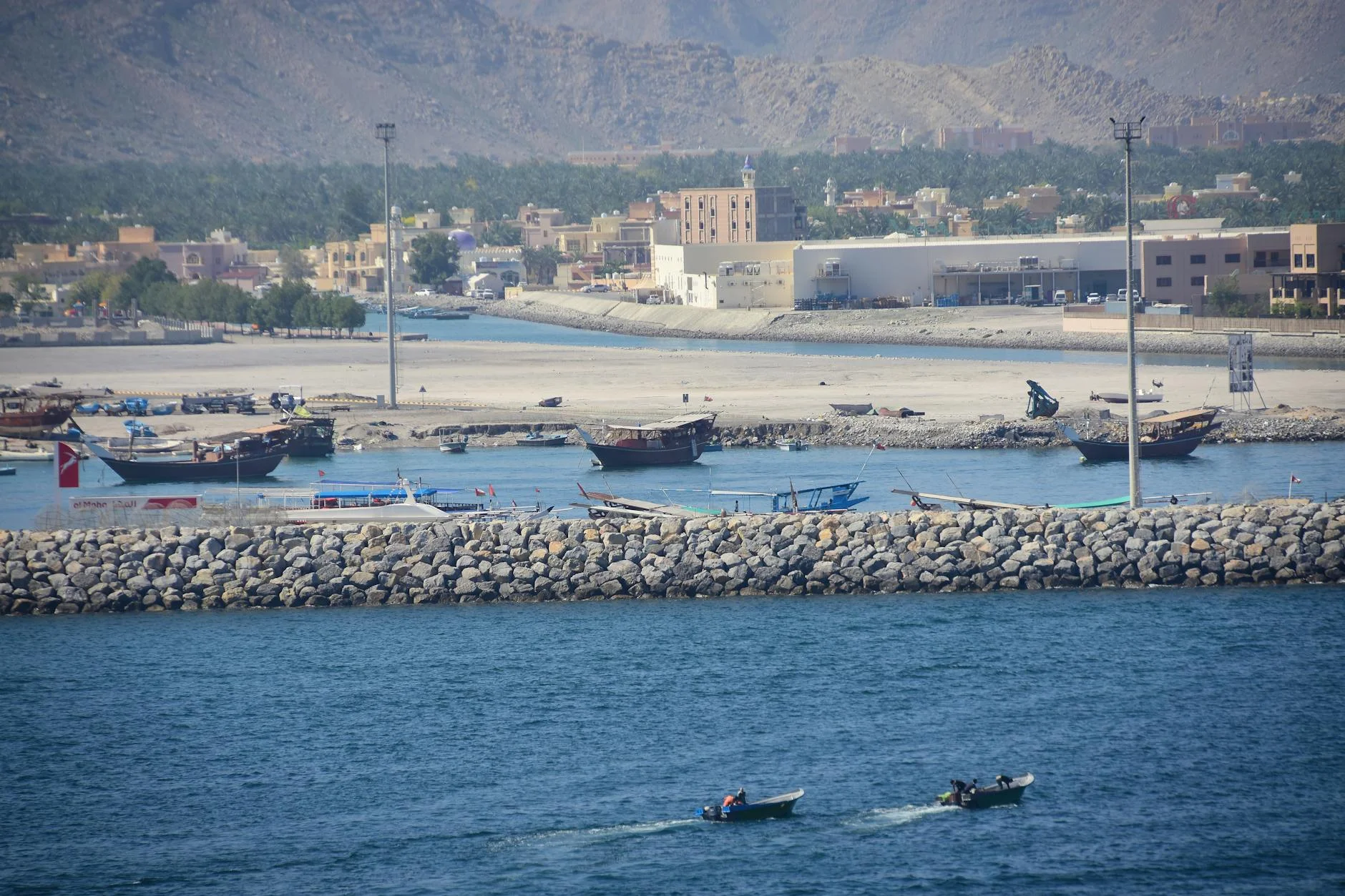
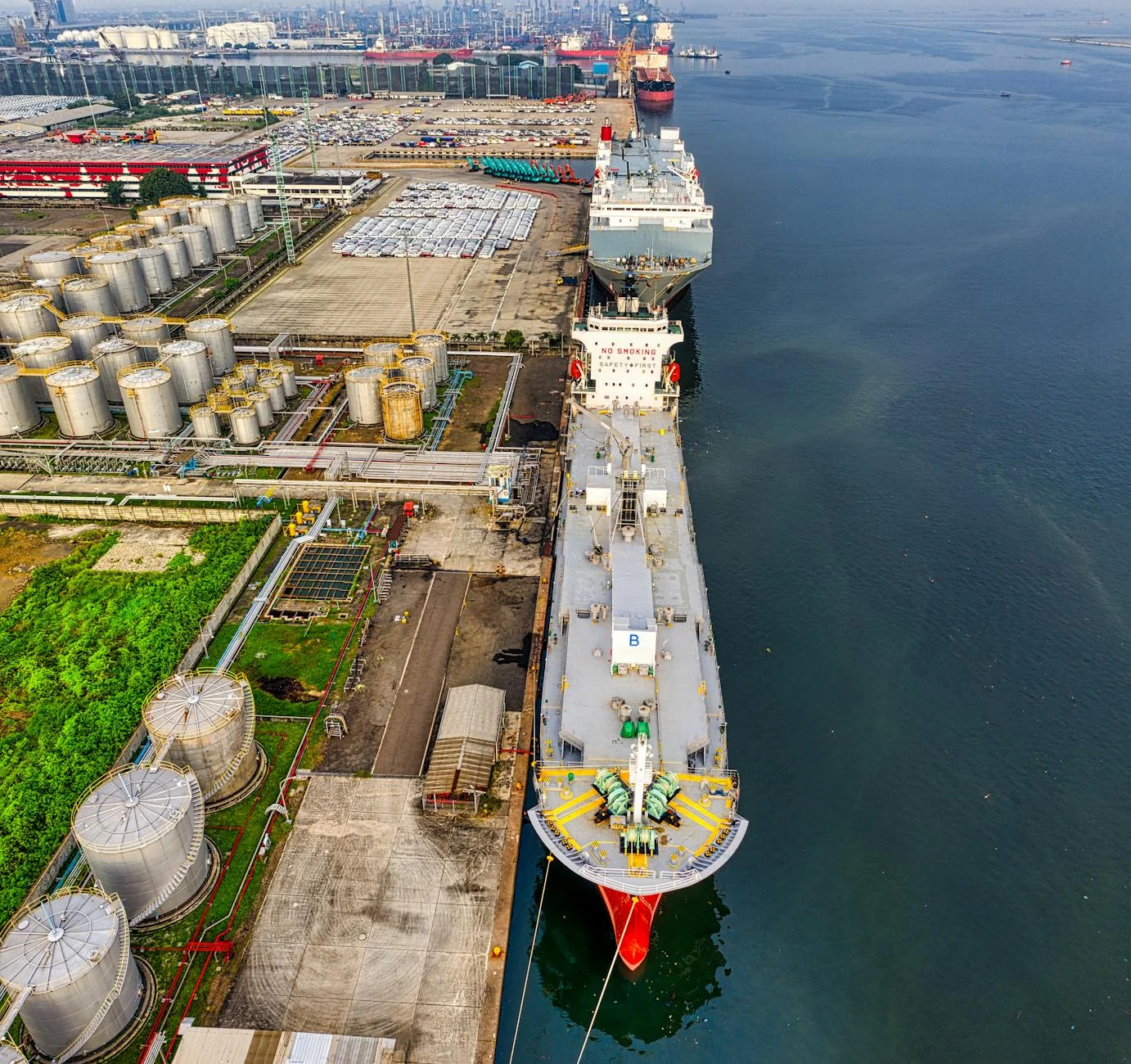
    Stock photo · For illustration only

    The Real Stakes

    The 10-day window is less about diplomacy and more about domestic positioning. Trump faces a Republican Senate increasingly nervous about oil prices — WTI crude touched $97 per barrel on day 21, its highest since 2022 — and a Federal Reserve that has already flagged inflationary pressure from sustained Middle East disruption.[2] Expanding strikes to Iran's energy infrastructure before midterm positioning solidifies is a risk Trump's political advisors have reportedly urged him to avoid. The delay buys time; it doesn't buy peace.

    For Netanyahu, the pressure runs in the opposite direction. Israel's public — exhausted by three years of multi-front conflict since October 2023 — wants resolution, not prolonged attrition. Far-right coalition partners demand deeper strikes, while the IDF General Staff has privately warned that sustaining air operations over Iranian airspace at current tempo requires US logistical support Washington may not indefinitely provide.[3] Every day Iran's energy infrastructure survives intact, Tehran retains revenue to fund reconstruction and proxy rearmament.

    ---

    Impact Radar

  • Economic Impact: 8/10 — Oil market volatility, Red Sea shipping disruption, and the Kharg Island threat are already repricing energy risk globally, with direct knock-on effects for inflation in import-dependent economies.
  • Geopolitical Impact: 10/10 — This is the most consequential military confrontation in the Middle East since the 2003 Iraq invasion, reshaping alliance structures and deterrence simultaneously.
  • Technology Impact: 4/10 — The GBU-57 Massive Ordnance Penetrator proved effective against hardened sites, but technology is secondary to political outcomes in determining how this ends.[3]
  • Social Impact: 6/10 — Civilian displacement inside Iran and a surge in anti-American sentiment across Central and South Asia carry long-term consequences that hard-power analysis consistently underweights.
  • Policy Impact: 9/10 — Whatever the outcome, the JCPOA framework is permanently dead; any successor nonproliferation architecture will look nothing like the 2015 model.[4]
  • ---

    Watch For

    1. Oman's posture in the next 72 hours: If Muscat publicly distances itself from the mediator role or recalls its ambassador from Tehran, the diplomatic track has collapsed and energy strikes become imminent — a foreign ministry statement from Muscat is the signal.[5]

    2. Brent crude crossing $105/barrel: That threshold historically triggers emergency IEA reserve releases and signals markets have priced in an energy infrastructure strike — treat it as a leading indicator of escalation, not a lagging one.[2]

    ---

    Bottom Line

    Trump's 10-day delay is a political maneuver dressed as diplomacy — Iran knows it, the markets suspect it, and the IDF is planning accordingly. The only question worth asking is whether the pause produces a face-saving formula for Tehran, or merely delays the most economically destructive phase of a war that has already redrawn the Middle East's strategic map.

    ---

    📎 References & Source Archive All citations · Wayback Machine mirrors →