US government continues using polygraphs despite scientific consensus they cannot reliably detect deception.
By Adrian Cole🕐 3/29/2026 · 7:53 AM ET8 min read1747 words
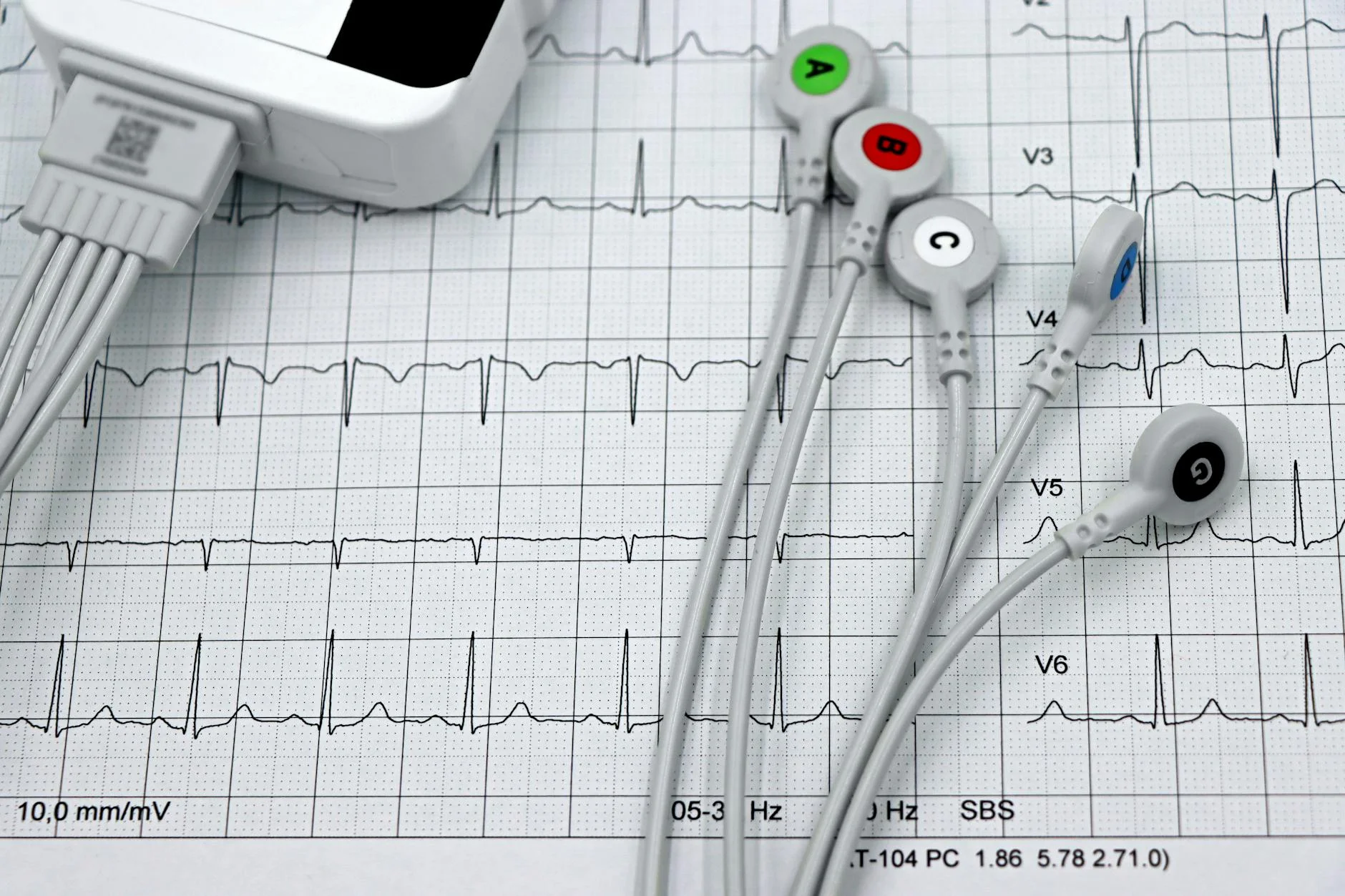
Stock photo · For reference only · Not taken by our journalists
In spring 1995, George W. Maschke sat across from an FBI polygraph examiner and answered truthfully about his contacts with foreign intelligence and his ability to keep secrets. The machine said he lied. His career prospects collapsed.[1] Three decades later, the polygraph — a device measuring pulse, blood pressure, respiration, and skin conductivity — remains embedded in US security clearances and law enforcement despite overwhelming scientific consensus that it cannot reliably separate truth from deception.
Dispatch
Washington, DC / March 2026 — Ars Technica reports on the persistence of polygraph testing in government and the emerging search for alternatives.
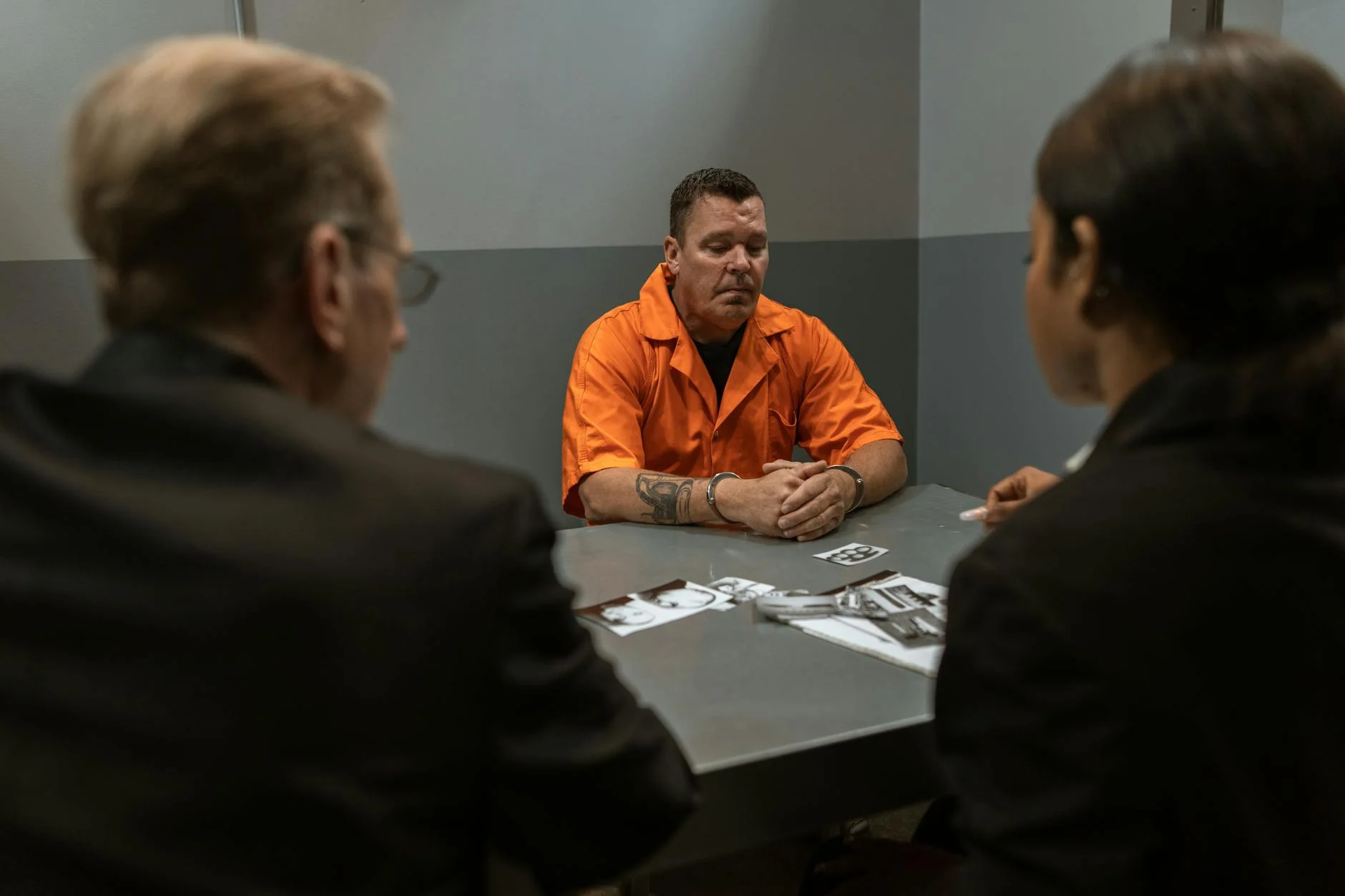
When George W. Maschke applied to work for the FBI in 1994, he had already held a security clearance for over 11 years. The government had deemed him trustworthy through his career in the Army. But soon, a machine and a man would not come to the same conclusion. His application to be a special agent had passed initial muster. And so, in the spring of 1995, according to his account, he found himself sitting across from an FBI polygraph examiner, answering questions about his life and loyalties. He told the truth, he said in an interview with Undark. But in a blog post on his website, he recalled the examiner told him that the polygraph machine—which measured some of Maschke's physiological responses—indicated that he was being deceptive about keeping classified information secret, and about his contacts with foreign intelligence agencies.[1]
Ars Technica, March 2026
Maschke's experience led him to co-found AntiPolygraph.org, a resource documenting the tool's failures. But he is not alone in his skepticism. The National Academies of Sciences, Engineering, and Medicine issued a landmark 2003 report finding that polygraph research quality was low, theoretical explanations for how the device detects deception were inadequate, false-positive rates were unacceptable, and false-negative rates posed security risks.[1] Yet despite these findings — and despite polygraphs being inadmissible in most US courts — they remain standard in FBI clearance vetting and law enforcement investigations.
A different reading comes from the research community actively seeking detection alternatives:
Research has suggested that the physiological signals they pick up are prone to false positives and not enough true positives. Questions about their scientific validity are, in fact, why they're not admissible in most US courts. Polygraphs also generally can't be used as part of private employers' hiring decisions. But, despite these doubts, they're still employed in law enforcement investigations, and in security clearance applications. That entrenched usage may make the US more vulnerable to security threats and play a part in false confessions and lead to wrongful imprisonments. Given those doubts, researchers and corporations are trying to find more reliable and modern ways to detect deception. Their methods—which span everything from monitoring involuntary eye behaviors to brain activity—also aren't perfect. And some researchers question whether such an endeavor is even possible.[1]
Ars Technica, March 2026
What's Really Happening
The polygraph's core flaw is scientific, not technical. A polygraph detects physiological stress — elevated heart rate, blood pressure, respiration, and skin conductivity — but stress and deception are not synonymous.[1] An innocent person confronted with an accusation experiences stress; a skilled liar may not. The 2003 National Academies report found that polygraphs accurately identify guilty individuals only 75 percent of the time, but accurately identify truthful individuals just 57 percent of the time.[1] This asymmetry makes the tool dangerous in security clearance contexts, where false positives disqualify innocent people.
Institutional inertia keeps the polygraph alive despite its unreliability. The tool is 105 years old, embedded in FBI procedure, military security protocols, and law enforcement culture.[1] Ben Denkinger, a psychology professor at Augsburg University, describes it as a kind of zombie thing that's kept on for 100 or so years.[1] Pop culture — police procedurals, true crime podcasts — reinforces its mystique, making it harder for policymakers to abandon.[1]
Emerging alternatives (brain imaging, eye-tracking, AI analysis) show promise but face their own validity questions. Researchers are testing fMRI scans for deception detection, monitoring pupil dilation and eye saccades, and using machine learning on vocal patterns.[1] None has achieved the predictive accuracy needed to replace polygraphs in high-stakes decisions. Kyriakos Kotsoglou, a legal scholar at Northumbria University, argues that the entire enterprise may be flawed: This is sort of unscientific, the idea that there's sort of some parallel behavior in the way we think, in the way we behave, the way our body behaves.[1]
Security clearance vetting is the polygraph's most damaging application. Thousands of applicants — including Maschke — have been rejected or delayed based on false positives, potentially excluding qualified personnel from national security roles while admitting skilled deceivers who don't register physiological stress.[1] This creates a paradoxical security vulnerability: the tool meant to protect secrets may instead exclude the honest and admit the dangerous.
No major outlet has yet examined the cost-benefit calculus of maintaining polygraph infrastructure while alternatives mature. The story focuses on the polygraph's flaws and emerging technologies, but does not quantify how many security clearances are denied annually, what fraction are later overturned, or what the economic cost of false rejections is to the defense and intelligence sectors.
Stock photo · For illustration only
The Real Stakes
The stakes are institutional and human. Confirmed: The polygraph remains standard in FBI clearance investigations and law enforcement despite being inadmissible in most US courts.[1] Confirmed: It produces false positives at unacceptable rates — identifying truthful people as deceptive 43 percent of the time.[1] Confirmed: Maschke's case is not unique; AntiPolygraph.org documents personal statements from others harmed by false results.[1]
Projected: If the US continues relying on polygraphs while alternatives mature, it will continue to reject qualified security personnel based on physiological noise rather than actual deception. This creates two risks simultaneously — false exclusion of the trustworthy and false inclusion of the untrustworthy. One scenario: A skilled foreign intelligence operative who trains to control physiological responses passes a polygraph clearance interview, while a truthful analyst with anxiety disorder fails and is barred from classified work.
The human cost is immediate. Maschke described his experience: My entire career prospects were basically shattered. How could I have told the truth and failed the polygraph?[1] For individuals seeking security clearances — a gateway to defense contracting, intelligence work, and federal employment — a false positive is a career death sentence. The appeal process is opaque, the science is not explained to the examinee, and the burden of proof falls on the rejected applicant to prove they were truthful.
The institutional cost is slower but deeper. If the polygraph excludes honest people while admitting some deceivers, then the clearance system selects for neither honesty nor competence, but for physiological composure under accusation. This is an orthogonal trait to trustworthiness or security competence.
Industry Context
The polygraph testing industry is small but entrenched. The American Polygraph Association represents examiners and maintains certification standards, but these standards do not address the underlying scientific invalidity of the tool.[1] Private security firms and law enforcement agencies contract polygraph examiners; the FBI runs its own polygraph unit. Replacing the polygraph would require either (a) regulatory mandate from Congress or the Executive Branch, (b) a demonstrably superior alternative with equal institutional buy-in, or (c) a scandal large enough to force change.
Emerging technologies — fMRI, eye-tracking, vocal analysis — are being researched but lack the institutional momentum of the polygraph. No federal agency has yet committed to piloting a replacement at scale. The research community remains divided on whether any physiological or behavioral marker can reliably detect deception across populations and contexts.
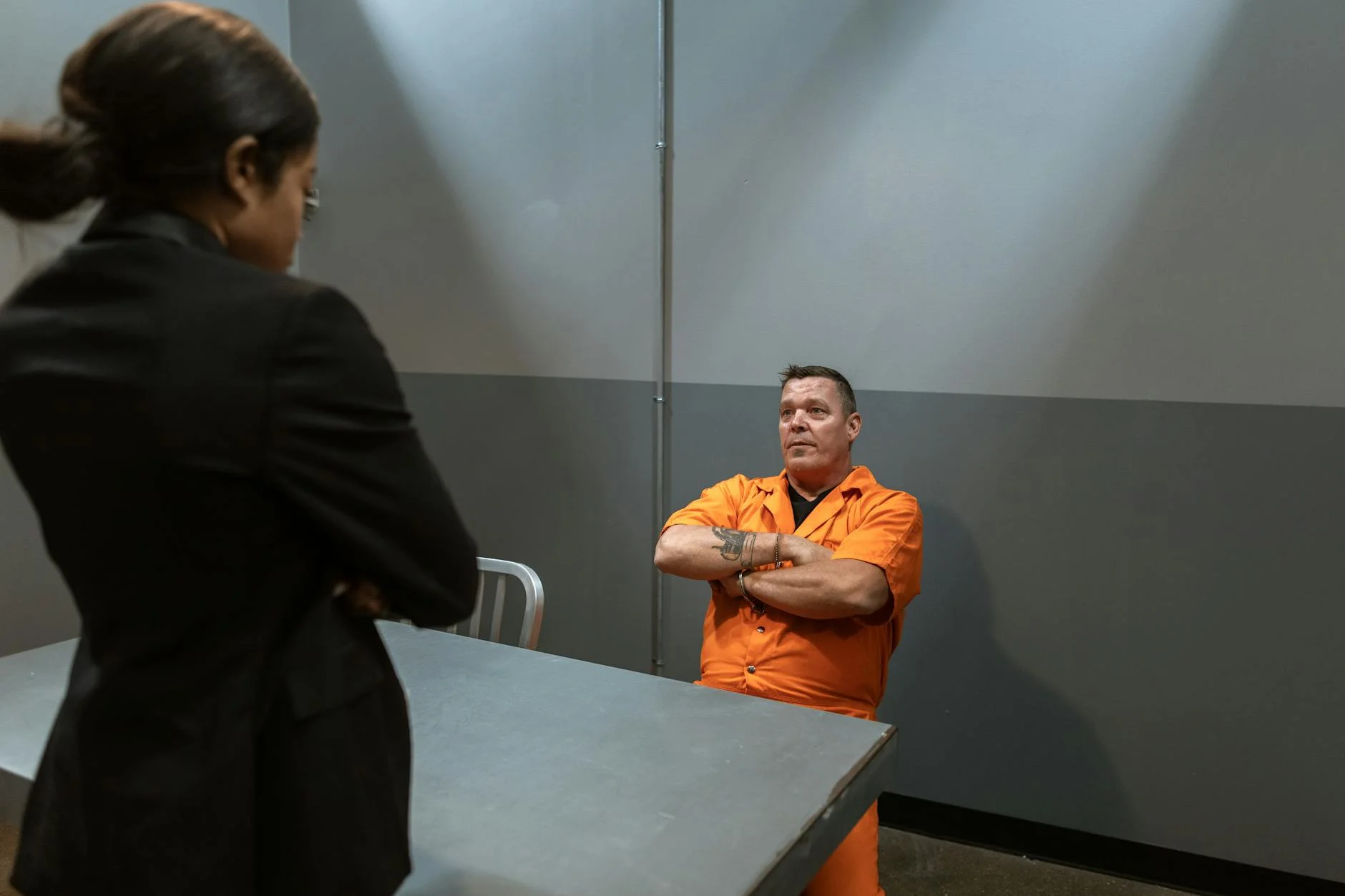
Stock photo · For illustration only
Impact Radar
Economic Impact: 4/10 — The polygraph testing industry is small (estimated at tens of millions annually in the US), and replacement technologies would not significantly alter economic output, though false rejections do impose unmeasured costs on rejected applicants and hiring organizations.
Geopolitical Impact: 6/10 — If the US security clearance system continues to rely on an unreliable tool, it may inadvertently exclude qualified personnel needed for national security roles or admit foreign operatives who can defeat polygraph screening, creating asymmetric vulnerability.[1]
Technology Impact: 5/10 — Emerging alternatives (fMRI, eye-tracking, AI) are being researched but remain experimental; none has achieved the adoption or validation needed to displace the polygraph.[1]
Social Impact: 7/10 — Thousands of individuals are rejected from federal employment annually based on polygraph results; the lack of scientific validity and appeal transparency creates injustice for false positives.[1]
Policy Impact: 3/10 — No federal agency or congressional committee has signaled intent to mandate polygraph replacement or fund large-scale trials of alternatives as of March 2026.
Watch For
1. Congressional hearing or GAO audit on polygraph accuracy in security clearances. If the House or Senate Appropriations Committee, or the Government Accountability Office, initiates a formal review of polygraph failure rates and false-positive costs, it would signal political appetite for change. No such review has been announced as of March 2026.
2. Adoption of an alternative technology by a major federal agency. If the FBI, CIA, or Department of Defense pilots fMRI, eye-tracking, or AI-based deception detection at scale (e.g., in a pilot program with 500+ clearance applicants), it would indicate institutional readiness to move beyond the polygraph. No such pilot has been publicly announced.
3. A high-profile case where a false polygraph positive is overturned or results in litigation against the US government. If a rejected security clearance applicant wins damages or a court orders reinstatement with findings that the polygraph was unreliable, it could trigger policy review. The Maschke case (1995) did not result in litigation against the FBI.
Bottom Line
The polygraph is a 105-year-old machine that the scientific community has declared unreliable, yet the US government continues to use it as a gatekeeper for security clearances. Emerging alternatives show promise but remain experimental and lack institutional backing. Until Congress, the Executive Branch, or a major scandal forces change, thousands of qualified applicants will continue to be rejected based on a tool that fails to distinguish truth from stress — creating both injustice for individuals and potential security vulnerability for the nation.
AI Translation (Deutsch) — For reference only. English version is authoritative.
Polygraph-Test: Die Kontroverse Fortdauernd
In der Frühjahrsperiode 1995 setzte George W. Maschke sich gegenüber einem FBI-Polygraphenprüfer in eine Konversation, die seine Kontakte zu fremden Intelligenceagenturen und sein Fähigkeiten zur Geheimhaltung anhand von Fragen zu seinen Lebensgeschichte und Loyalitäten. Maschke gab die Wahrheit an, erzählte jedoch in einem Blogpost auf seinem Website, dass der Polygraph-Maschinengegeben habe, dass er sich über die Geheimhaltung von geheime Informationen und seine Kontakte zu fremden Intelligenceagenturen nicht deceptionsfrei verhielt.[1]
Ars Technica berichtete in der Mitte von 2026 über die Dauerhaftigkeit des Polygraphenprüfens in der Regierung und die sich entwickelnde Suche nach Alternativen.
[1] Ars Technica - "Polygraphen haben große Schwachstellen. Sind es bessere Optionen?" (Mitte von 2026). (URL nicht verfügbar - über RSS zugänglich)
AI Translation (中文) — For reference only. English version is authoritative.
1995年春天,乔治·W·麦斯克特(George W. Maschke)坐在FBI的多普勒测谎器检查员对面,如实回答了他与外国情报的联系以及保持机密的能力的问题。测谎器说他在撒谎,他的职业前景崩溃了。[1]三十年后,尽管科学界普遍认为测谎器无法区分真相和撒谎,测谎器仍然嵌入在美安全级别中,并被执法部门使用。